Natural Process Coffee: Pulped Natural, Honey, and Yirgacheffe Sun-Dried
Ever wonder why some specialty coffees taste syrupy sweet with deep berry or stone fruit flavors, while others lean clean and bright? The secret often lies in how the coffee cherry is processed after harvest—before roasting even begins. Processing determines moisture levels, fermentation style, and how much fruit character carries into your cup. Here’s how sun-dried, pulped natural, and honey methods shape your coffee’s profile.
In short: traditional sun-drying (natural process) dries whole coffee cherries in the sun for weeks, creating fuller body and bold fruitiness. Pulped natural removes the skin but keeps some fruit mucilage, while honey process varies by how much mucilage is left—more mucilage, more sweetness. Each method offers a different balance of acidity, sweetness, and body.
What Is the Natural (Sun-Dried) Coffee Process?
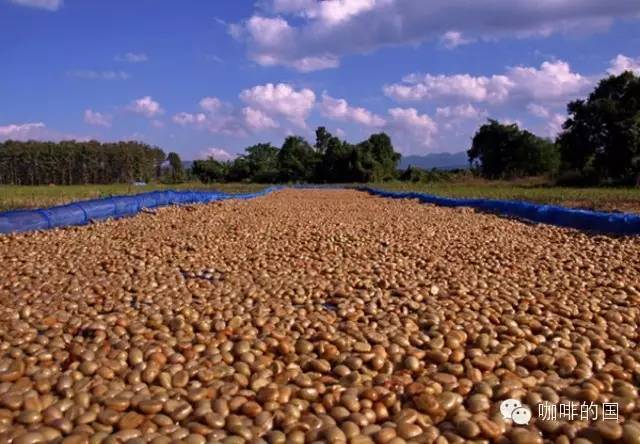
The natural process is the oldest method of preparing coffee beans. It involves drying the entire coffee cherry—pulp, mucilage, and all—in the sun until the beans inside reach 12% moisture. Once dry, the hard outer fruit layers are removed by a hulling machine. This method is still dominant in Ethiopia and Yemen, where it originated.
Sun-dried coffee typically takes two to four weeks to dry, depending on local weather. In regions with unpredictable rain, improper drying can lead to mold or uneven moisture. The resulting green beans often look yellowish before roasting, and after roasting, their center cuts appear brown rather than the bright white typical of washed beans. Natural-process coffees tend to have more body, deeper sweetness, and softer acidity, though quality can vary more widely due to environmental factors and processing consistency.
This method is cost-effective and remains common not just in Africa, but also for robusta production in Indonesia. Most Ethiopian specialty coffees, including many from Yirgacheffe, are processed this way when aiming for intense fruity profiles.
How Does Pulped Natural Differ?
Pulped natural processing removes the coffee cherry’s skin but leaves most of the sticky mucilage (fruit layer) on the bean during drying. This hybrid of washed and natural processing yields coffees with more clarity than full naturals, but with added sweetness and body. The term “pulped natural” is more commonly used in places like Brazil.
The amount of mucilage left on the bean affects the flavor profile and gives rise to subcategories: yellow honey (around 60% mucilage removed), red honey (about 30% removed), and black honey (minimal mucilage removed, nearly identical to natural process). These terms originally referred to the color the beans take on during drying—but today they mostly indicate mucilage levels. More mucilage typically means more sweetness, fuller body, and deeper fruit tones.
And What About Honey Process?
Honey processing is essentially a spectrum based on how much mucilage remains on the bean when it’s dried. Like pulped natural, it skips full fermentation and washing, but the variation comes down to how thoroughly the fruit layer is scraped off before drying. Leaving more mucilage leads to a sweeter, more syrupy cup with pronounced fruit and fermentation notes.
Note that “black honey” is effectively full natural processing. In contrast, washed (or fully washed) coffees have the skin and all mucilage removed via fermentation and washing, leading to a cleaner, brighter, more acidic cup with prominent floral and citrus notes. Semi-washed (or wet-hulled) methods, used commonly in Indonesia, remove the skin and most of the pulp, then wash briefly before drying—these tend to produce earthy, heavy-bodied profiles.
Traditional Ethiopian Sun-Dried Yirgacheffe: A Case Study
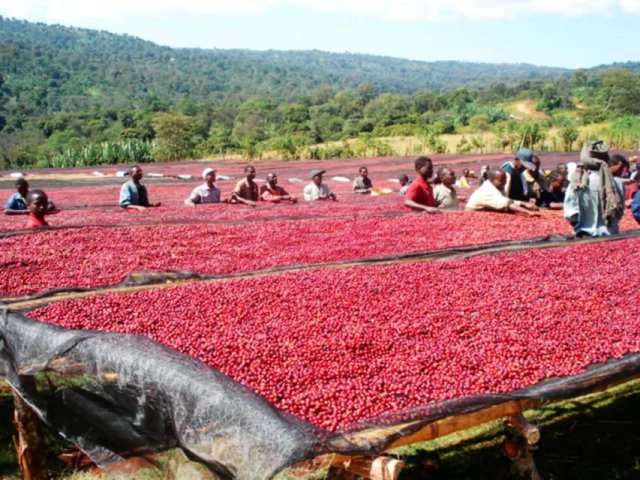
The featured Yirgacheffe coffee from Kebel Aricha in Ethiopia illustrates the impact of traditional sun-drying. Produced at 1,900–2,100 meters above sea level, these beans are grown by around 650–700 smallholder farmers who deliver ripe cherries to the Kebel Aricha washing station. The station selects only viable cherries and spreads them on raised African beds to dry in the sun.
For the first few days, workers turn the cherries every 2–3 hours to prevent uneven drying or over-fermentation. Drying takes about four to six weeks, with adjustments made for weather and ambient temperature. Once dry, the outer fruit layer is removed by machine before the beans are stored as parchment (with the husk still on) until export. This careful handling preserves quality right through to roasting.
This specific Yirgacheffe lot earned an Ethiopian Commodity Exchange (ECX) Grade 1 classification—the highest grade—and was noted for outstanding uniformity, dry fragrance, and complex flavor potential. It’s made from native (heirloom) coffee varieties, and the cup delivers a delicate mix of light fermented wine notes, sweet citrus, warm spices, and honey-like sweetness. Flavors include light alcohol-like fermentation, dates, tangerine, dark berries, lychee, starfruit, peach, longan, red dates, honey, cocoa, and a touch of spice. The body is rich and the finish lingers.
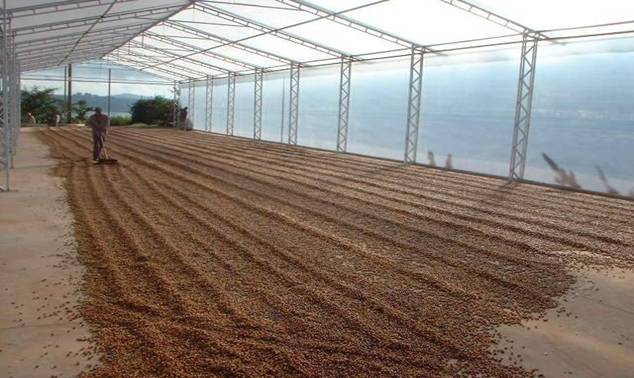
Flavor descriptors from FrontStreet’s tasting notes: light fermented wine, date, citrus (tangerine/orange), dark berries, lychee, starfruit, peach, longan, red jujube, honey-like sweetness, cocoa tone with mild spice; full body with a persistent finish.
Common Coffee Processing Methods at a Glance
To summarize:
- Natural (Sun-Dried): Whole cherry dried in sun; bold fruit, heavy body, less acidity, inconsistent quality.
- Pulped Natural: Skin removed, mucilage remains; balanced sweetness and clarity, used often in Brazil.
- Honey Process: Skin removed, varying amounts of mucilage kept; more sweetness and fruit the more mucilage remains.
- Washed (Fully Washed): Skin and all mucilage removed via fermentation; clean, bright, high acidity.
- Semi-Washed / Wet-Hulled: Skin and most pulp removed, brief wash, then dried; earthy, full body.
Frequently Asked Questions
What is the difference between pulped natural and honey process?
Pulped natural and honey processes are very similar. Both remove the coffee cherry’s skin but leave some or all of the mucilage on the bean during drying. The terms are sometimes used interchangeably, but “honey process” often emphasizes the range of mucilage levels—yellow, red, and black honey—while “pulped natural” is more common in Brazil and typically refers to a middle-ground method with moderate mucilage left on.
Why do sun-dried coffees take so long to process?
Sun-dried (natural) coffees require drying the entire coffee cherry (with pulp and mucilage) until the inner bean reaches 12% moisture. Depending on climate, this takes 2–4 weeks. The slow drying allows for deep flavor development but requires constant turning and weather monitoring to avoid mold or over-fermentation.
What does ECX Grade 1 mean for Ethiopian coffee?
The Ethiopian Commodity Exchange (ECX) grades coffee based on physical quality, uniformity, and defect count. Grade 1 is the highest classification, indicating a clean, consistent lot with minimal defects and strong potential for high cup quality. Most specialty lots come from Grade 1 classified coffees.
How does mucilage affect coffee flavor?
Mucilage is the sticky, sugary layer between the coffee bean’s parchment and the cherry skin. The more mucilage left on during drying (as in honey or pulsed natural processes), the more sweetness, body, and fruity or fermented flavors develop in the roasted coffee.
What makes Yirgacheffe coffee unique?
Yirgacheffe coffees are known for their bright acidity, floral notes, and complex fruit flavors. Grown in high-altitude regions of Ethiopia, they often express citrus, jasmine, berry, and spice tones. The region’s processing traditions—especially natural and honey methods—enhance these inherent qualities.
Recommended FrontStreet Beans for Natural Process Fans
Try FrontStreet’s Yirgacheffe Red Cherry for a classic example of sun-dried Ethiopian coffee: it’s made from fully ripe cherries dried on raised beds, offering tropical fruit, fermentation brightness, and juicy sweetness. Also consider FrontStreet’s Ethiopia Huakui (Huakui is the Chinese name for Geisha, but this is the actual Yirgacheffe region), which highlights floral and stone fruit layers. For a more rustic, fruity profile, FrontStreet’s 2013 Yunnan Arabica Natural shows how sun-drying develops body and dried fruit notes even outside Ethiopia. Freshly roasted within 5 days · Orders placed before 17:00 ship the same day · Next-day delivery across most of Guangdong Province.
FrontStreet Coffee is a long-established specialty coffee roaster in Guangzhou China, selling freshly roasted beans from its own farm in Yunnan as well as dozens of carefully selected single-origin beans from around the world for both pour-over and espresso. The products deliver consistently excellent quality and great value, with shipping within 24 hours. Guangzhou's FrontStreet Coffee shop is recommended by many coffee lovers, and the beans are now available online at the Tmall 。
Important Notice :
前街咖啡 FrontStreet Coffee has moved to new addredd:
FrontStreet Coffee Address: 315,Donghua East Road,GuangZhou
Tel:020 38364473