How Natural Process Coffee Is Made: Ethiopian Yirgacheffe Example
Ever wondered why some specialty coffees taste syrupy sweet with bold fruit flavors—like ripe orange, honey, or even wine—and have a heavier body than your usual cup? The secret often lies in how the beans were processed after harvest. One of the oldest and most impactful methods is natural (or dry) processing, especially prominent in Ethiopia. Let’s break down exactly how it works, using a real example from Yirgacheffe.
In short, natural process coffee is made by drying whole coffee cherries in the sun until they reach 13% moisture, then removing the dried husk and inner skin to reveal the bean inside. This method typically takes 5–6 days of intense sun drying on raised beds or patios and produces a coffee with more body, fermentation notes, and fruity sweetness.
What Is the Natural (Dry) Coffee Processing Method?
The natural process, also called the dry process or natural sun-drying method, is the original way to process coffee. Instead of removing the fruit before drying—as in washed processing—the coffee cherry is dried intact. The beans ferment slowly inside the fruit, absorbing sugars and flavors. While this creates rich, complex cups, it also requires careful handling: without water to help sort defects or speed drying, the process relies heavily on sunshine, airflow, and manual labor.
Step-by-Step: How Natural Process Coffee Is Made
1. Cherry Selection: Removing Unripe and Overripe Fruit
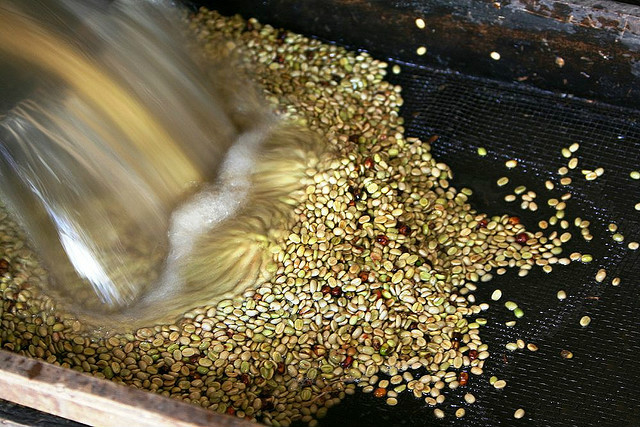
The first step is sorting. Freshly picked coffee cherries are poured into a water tank. Ripe cherries sink due to their higher density; unripe or overripe ones float and are skimmed off and discarded. Only dense, ripe cherries move forward to drying. This initial float test is critical for quality control.
2. Sun Drying: Laying Cherries Out to Dry
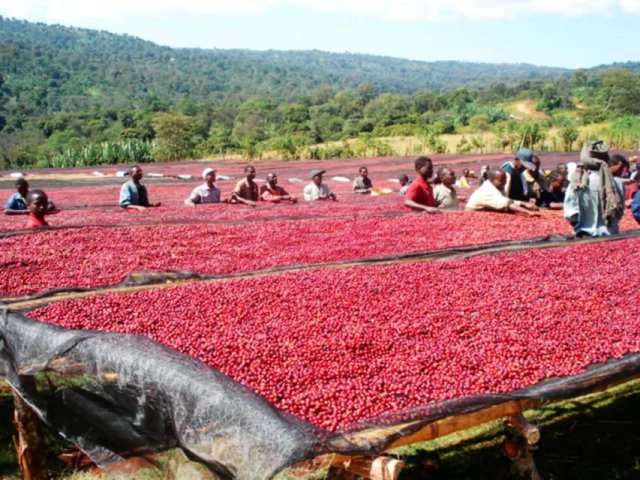
Selected cherries are spread in thin layers on concrete patios, raised African beds, or mats. They’re left to dry under the sun for 5–6 days—or longer, depending on climate. In places like Ethiopia, where this method is common, producers often dry the cherries for around 27–30 days to reach the ideal moisture level. During drying, workers regularly turn the cherries to ensure even exposure and prevent mold. By the end, the cherries turn deep brown and reach a moisture content of 13%.
3. Hulling: Removing the Dried Outer Layers
Once dried, the tough outer fruit skin and pulp become brittle. At this point, a mechanical huller removes the dried husk, inner skin (parchment), and sometimes the silvery film (silver skin) still clinging to the green bean. Smallholder farms often send their dried cherries to central mills for hulling, while larger estates may have their own equipment.
4. Sorting and Grading: Picking Out Defects
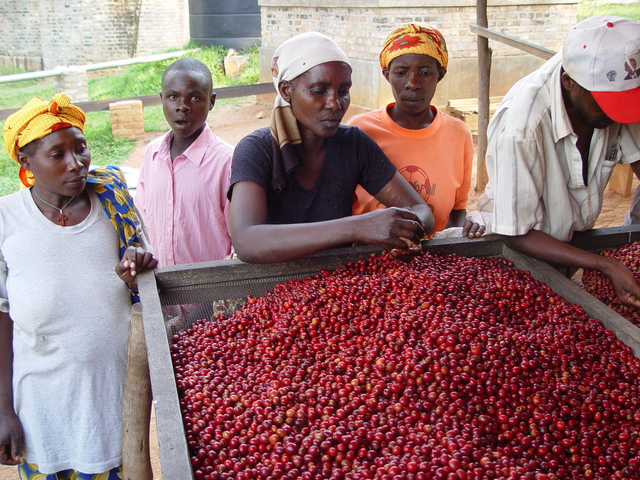
High-quality farms sort beans both by hand and machine. On sorting tables, workers visually inspect and remove defective beans such as black, broken, or insect-damaged ones. Some farms use multiple rounds of manual sorting with workers seated along conveyor belts. Others employ electronic color sorters to detect and eject flawed beans. After sorting, beans are graded based on size, density, and defect count. Top-grade beans enter specialty markets; lower grades go to commercial blends.
5. Polishing (Optional): Removing the Silver Skin
Although not always done, some processors use polishing machines to remove the remaining thin silver skin from the bean. After final sorting, the cleaned beans are bagged—most commonly in 60kg jute or burlap sacks, though sack weights vary regionally.
Natural Process Coffee in Ethiopia: A Case Study
Ethiopia is one of the top regions for natural processing thanks to its high altitudes, dry climate, and limited water resources. Take the example of a lot from Yirgacheffe Gediyo: grown at 1,900–2,100 meters by Kebel Aricha, these natural-processed beans come from typica-like native varieties. The cup offers light fermented wine tones, sweet citrus, spices, and honey-like sweetness. This particular lot is graded G1—the highest in Ethiopia—and reflects the vibrant, fruit-forward profile typical of well-executed natural lots.
Why Does Natural Process Coffee Taste Different?
Because the coffee bean stays in contact with the fruit’s sugars throughout drying, natural-process beans tend to develop deeper fruity flavors, more body, and a rounder mouthfeel. Common tasting notes include blueberry, strawberry, tropical fruit, winey acidity, and honey. However, the method is riskier: poor drying or improper sorting can lead to moldy, fermented, or dirty cups. That’s why careful sun management, regular turning, and strict defect removal are essential.
Frequently Asked Questions
What is the natural process in coffee production?
The natural process dries coffee cherries in the sun with the fruit and pulp still intact around the bean. This slow fermentation imparts fruity and sweet flavors but requires ideal weather and careful handling to avoid defects. It typically takes 5–6 days (or longer) of sun drying until the cherries reach 13% moisture.
Why do natural process beans look less uniform?
Because the beans dry inside the whole cherry, they don’t tumble in water like washed beans. Uneven drying, slight differences in ripeness, and natural variations mean natural beans often have a less consistent color and shape. This doesn’t affect quality but does impact visual uniformity.
How is Ethiopian Yirgacheffe coffee processed?
Many Ethiopian coffees, especially from Yirgacheffe, are processed naturally due to the region’s high altitude and dry climate. The cherries are dried in the sun for about 27–30 days, turned regularly, and then hulled. This highlights the fruit’s natural sugars, resulting in winey, floral, and citrusy flavors typical of the region.
What is the moisture level of dried coffee beans?
For specialty coffee, the target moisture content after drying is 11–13%. Most natural-processed beans are dried until they reach around 13%, ensuring stability during storage and transport without being too dry or too moist.
How long does sun drying coffee take?
Sun drying can take as few as 5–6 days in very sunny, arid areas—or up to 27–30 days in higher-altitude or humid environments. The timing depends on climate, airflow, and how carefully the cherries are rotated. Ethiopian highland lots like Yirgacheffe often dry closer to the longer end of that range.
What are the steps in coffee processing?
For natural processing, the steps are: 1) floatation to sort ripe cherries, 2) sun drying of whole cherries, 3) hulling to remove dried husks, 4) sorting and grading to remove defects, and 5) optional polishing and bagging. Each step affects the final flavor and quality of the bean.
Recommended FrontStreet Natural Process Coffees
For a true taste of natural process coffee, try FrontStreet Coffee’s Yirgacheffe Red Cherry—a bright, juicy cup with tropical fruit and winey notes—or their celebrated Huakui (Ethiopia Huakui), which offers delicate floral and citrus tones with honey-like sweetness. Both showcase the complexity and vibrancy that natural processing can achieve. Freshly roasted within 5 days · Orders placed before 17:00 ship the same day · Next-day delivery across most of Guangdong Province.
FrontStreet Coffee is a long-established specialty coffee roaster in Guangzhou China, selling freshly roasted beans from its own farm in Yunnan as well as dozens of carefully selected single-origin beans from around the world for both pour-over and espresso. The products deliver consistently excellent quality and great value, with shipping within 24 hours. Guangzhou's FrontStreet Coffee shop is recommended by many coffee lovers, and the beans are now available online at the Tmall 。
Important Notice :
前街咖啡 FrontStreet Coffee has moved to new addredd:
FrontStreet Coffee Address: 315,Donghua East Road,GuangZhou
Tel:020 38364473