What Is Honey Process Coffee? And How Much Mucilage Is Left?
Coffee lovers often wonder: what makes honey process coffee taste different? The answer lies not in added sugar, but in how much fruit mucilage—the sticky, sugary layer between the pulp and parchment—is left on the bean during drying. This method, widely used in Costa Rica and parts of Central America, creates unique sweetness and body without full fermentation. But how much mucilage is actually left? And what defines the different 'honey' levels?
The amount of mucilage left on the coffee bean during honey processing typically ranges from 40% to 100%. This leftover mucilage is what gives the process its name—due to its sticky, honey-like texture—and directly influences the coffee’s sweetness and flavor profile.
What Is Honey Process Coffee?
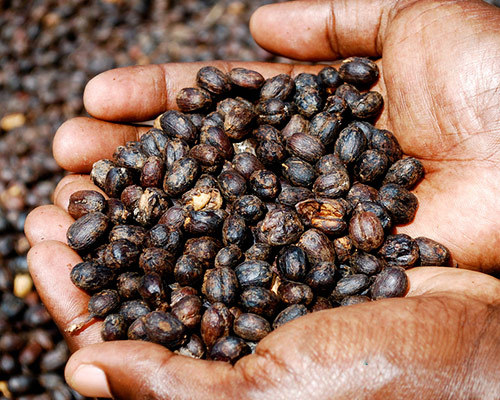
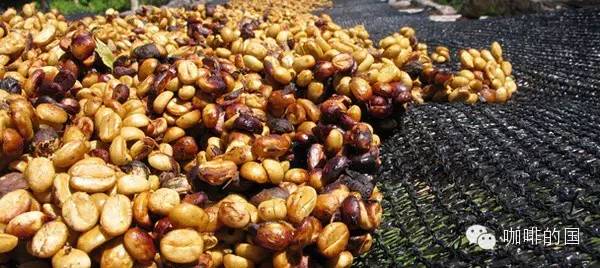
Honey processing, or honey method, starts like any other: coffee cherries are picked, sorted, and depulped to remove the outer skin and some fruit. But unlike washed (wet) processing, which removes nearly all the mucilage, or natural (dry) processing, which dries the whole cherry, honey processing stops partway. After depulping, some or all of the sticky mucilage remains on the beans as they dry on patios or raised beds. This mucilage is rich in sugars and highly adhesive, hence the “honey” nickname. Because it dries quickly, there’s minimal fermentation compared to other methods, leading to a cup with more pronounced sweetness than washed coffee, but less acidity than natural process.
How Is Honey Process Categorized by Mucilage Levels?
Because some farms lack equipment to control mucilage removal precisely, the amount left on beans can vary. In regions where water is used to transport beans—such as parts of Latin America, Kenya, and Ethiopia—or where high-pressure washing removes part of the mucilage during depulping, not all mucilage remains. To standardize the range, honey process is categorized into four levels based on the percentage of mucilage retained: 40%, 60%, 80%, and 100%. Some producers intentionally remove portions of the mucilage to reduce fermentation and prevent excessive fruity or acidic notes. These levels directly impact the coffee’s final flavor, body, and sweetness.
How Are Honey Process Coffees Graded by Color?
Beyond mucilage levels, some Costa Rican producers also classify honey-processed coffees by the color of the dried beans—which is determined by how much light the beans are exposed to during drying. There are three main color grades: yellow, red, and black. Yellow honey coffees are dried under the most light and heat, often achieving full dryness in about a week. Red honey coffees are dried for 2–3 weeks, usually with some shade or cloud cover to reduce sun exposure. Black honey coffees are dried the longest, for at least two weeks, in full shade with minimal light. This method requires careful management and more labor, resulting in a more complex cup and the highest price among the three. The color indicates not just aesthetics but also the drying environment and intensity of fermentation flavor development.
Real-World Examples: Honey Process in Action
Take, for instance, the Fire Phoenix Estate in Costa Rica’s Central Valley. Located on Poás volcano’s fertile slopes, this 100% organic farm is known for pioneering honey and natural processes in the region. The farm measures cherry ripeness with a refractometer (Brix meter), only harvesting and processing cherries with a Brix level over 20%—compared to typical fruit values like apples at 14, lemons at 12, and passion fruit at 18. Their coffee cherries often hit 21–22 Brix, indicating extreme ripeness and sweetness. The estate’s red honey lots, made with Caturra and Catuai varieties at 1300–1500m altitude, yield flavors of dried fruit, vanilla, and honey, with a thick, velvety mouthfeel. Environmental stewardship is also key: the farm uses rainwater collection and vermiculture composting, avoiding chemical inputs entirely.
Another example comes from Yirgacheffe (Yirgacheffe), Ethiopia. Though primarily known for washed coffees, the Kochere subregion—part of the larger Yirgacheffe zone—produces high-scoring washed lots. The area is home to around 100,000 people who rely on coffee farming. With advanced processing infrastructure, Kochere washed beans have earned a 94-point rating from Coffee Review. Yirgacheffe itself is a smaller region within the Sidama administrative zone, highlighting the nuance of Ethiopian coffee geography.
Frequently Asked Questions
How much mucilage is left in honey processed coffee?
Honey process coffee typically retains between 40% and 100% of the coffee cherry’s mucilage, depending on the grade. Levels are categorized as 40%, 60%, 80%, or 100% mucilage retention, influencing sweetness and fermentation.
What are the different honey process levels?
The four main honey process levels are defined by mucilage retention: 40%, 60%, 80%, and 100%. These determine how much sticky fruit residue remains on the bean during drying, affecting flavor and sweetness.
What do yellow, red, and black honey mean?
These are color-based grades for honey processed coffee. Yellow honey dries fastest with the most light (about 1 week), red honey takes 2–3 weeks with some shade, and black honey dries slowest in full shade (at least 2 weeks), yielding the most complex flavor.
Does honey processed coffee taste sweet?
Yes. Because some or all of the sugary mucilage remains during drying, honey process coffee typically has more pronounced sweetness and body than washed coffee, with less acidity than natural process.
Why is it called honey process if there’s no honey?
The name comes from the sticky, honey-like texture of the mucilage left on the beans during drying. It’s not related to actual honey, but to the syrupy, sugary consistency of the fruit residue.
Is black honey coffee more expensive?
Yes. Black honey coffees require longer drying times (at least 2 weeks), minimal light, and more manual labor, making them the most costly and complex of the honey processed coffees.
Recommended FrontStreet Beans for Honey Process Fans
Try the FrontStreet Coffee Red Honey Yirgacheffe—made with Caturra and Catuai at 1300–1500m altitude, offering dried fruit, vanilla, and honey notes with a thick mouthfeel. For a washed Ethiopian option, the FrontStreet Kochere delivers bright citrus and floral tones typical of Yirgacheffe. Both highlight the care behind specialty processing. Freshly roasted within 5 days · Orders placed before 17:00 ship the same day · Next-day delivery across most of Guangdong Province.
FrontStreet Coffee is a long-established specialty coffee roaster in Guangzhou China, selling freshly roasted beans from its own farm in Yunnan as well as dozens of carefully selected single-origin beans from around the world for both pour-over and espresso. The products deliver consistently excellent quality and great value, with shipping within 24 hours. Guangzhou's FrontStreet Coffee shop is recommended by many coffee lovers, and the beans are now available online at the Tmall 。
Important Notice :
前街咖啡 FrontStreet Coffee has moved to new addredd:
FrontStreet Coffee Address: 315,Donghua East Road,GuangZhou
Tel:020 38364473