What Is Honey Process Coffee From Costa Rica’s Central Valley?
Ever wonder why some specialty coffees have such intense sweetness and a syrupy body, yet still shine with bright acidity? The secret often lies in how the coffee cherry is processed after harvest — particularly the honey process, widely used in Costa Rica and now across Central America. This method directly influences not just taste but also mouthfeel and aroma. If you’ve tasted a juicy, sweet coffee with a smooth finish, chances are it was honey processed.
Honey processing refers to a method where some or all of the coffee cherry’s sticky, sugary mucilage is left on the beans during drying. Unlike washed (or wet) processing, which removes all mucilage, or natural (dry) processing, which dries the whole fruit, honey processing strikes a balance — retaining sweetness while managing fermentation.
How Honey Processing Works
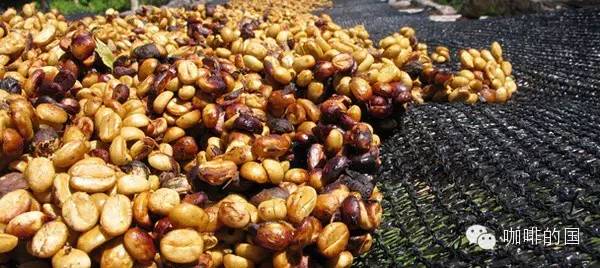
In honey processing, coffee cherries are picked, sorted, and depulped to remove the skin and some pulp. What remains is the mucilage — a sticky, sugar-rich layer coating the beans. Instead of washing this mucilage off, as in the washed method, it is left partially or entirely intact. The beans are then dried on patios or raised beds. Because the mucilage is so sugary, it caramelizes slightly during drying, boosting sweetness and complexity. Fermentation is minimal due to the short mucilage lifespan, resulting in lower acidity than washed coffee but higher than natural.
Honey Process Levels: 40%, 60%, 80%, and 100%
The amount of mucilage left on the beans defines the ‘percentage’ of honey processing. In regions like Costa Rica, Brazil, and Colombia, traditional washing infrastructure can strip away part of the mucilage even before drying. Depending on how much mucilage remains — typically ranging from 40% to 100% — honey process is categorized into four levels:
- 40% honey: minimal mucilage retained
- 60% honey: moderate mucilage retention
- 80% honey: high mucilage retention
- 100% honey: nearly all mucilage kept on the bean
Some producers deliberately remove part of the mucilage to avoid over-fermentation and excessive fruity acidity during drying. These percentages directly affect the final cup profile — more mucilage generally means more sweetness and body.
Color Grading: Yellow, Red, and Black Honey
In Costa Rica, honey-processed coffees are also graded by the color of the dried beans, which reflects how much light they were exposed to during drying — and therefore how fast they dried. The three main grades are:
- Yellow Honey: Dried quickly (about 1 week) with maximum sun exposure and frequent turning. Bright and mild in flavor, with lighter body.
- Red Honey: Dried more slowly (2–3 weeks), often in shaded or cloudy conditions. More balanced sweetness and acidity, with a fuller mouthfeel.
- Black Honey: Dried very slowly (at least 2 weeks) in minimal light and cooler conditions. Requires careful management and labor. Intensely sweet, complex, and rich, but also the most expensive due to time and effort.
The color does not indicate roast level but rather the processing style and drying conditions. Black honey coffees demand the most from farmers, both in time and attention, which is reflected in their premium pricing.
Example: Red Honey from Fire Phoenix Estate in Costa Rica’s Central Valley
The Fire Phoenix Estate in Costa Rica’s Central Valley (elevation: 1300–1500m, annual rainfall: 3000mm, harvest: December to February) produces one of the most well-known red honey coffees in the region. Grown at high altitudes with volcanic soil, this 100% organic farm focuses on sustainability — using rainwater collection and worm composting, and avoiding synthetic chemicals. The estate grows Catuai and Caturra varieties and measures fruit ripeness using a refractometer (targeting Brix values over 20%, compared to typical fruit like apples at 14 or lemons at 12). Only the ripest coffee cherries are selected for red honey processing. The result? A cup with flavors of dried fruit, vanilla, honey, and a thick, velvety body.
Frequently Asked Questions
What is honey processed coffee?
Honey processed coffee is a method where coffee cherries are depulped to remove the skin, but some or all of the sticky mucilage is left on the beans during drying. This mucilage is rich in sugars, which ferment slightly and add sweetness and body to the coffee without full fermentation as in natural processing. It’s a balance between washed and natural methods.
What are the different honey process levels?
Honey process is categorized into 40%, 60%, 80%, and 100%, based on how much mucilage is left on the beans. More mucilage typically leads to greater sweetness, body, and complexity. The percentage refers to the estimated amount of mucilage retained during processing.
What do yellow, red, and black honey mean?
These terms refer to the color of the dried coffee beans, which depends on drying time and light exposure. Yellow honey dries fastest with full sun, red honey dries slower with some shade, and black honey dries slowest with minimal light. Each has distinct flavor profiles: yellow is brighter, red is balanced, and black is richer and sweeter.
Where is honey processing most common?
Honey processing originated in Costa Rica and is now widely used across Central America. It’s popular in regions like Costa Rica’s Central Valley, where volcanic soils and high altitudes support the careful drying required for this method.
Why does honey processed coffee taste sweeter?
The retained mucilage is full of natural sugars that caramelize during drying. This contributes to a sweeter, smoother cup with more body and less perceived acidity than washed coffee, while still being cleaner than natural processed coffee.
How is honey process different from natural or washed?
Washed (wet) process removes all mucilage, resulting in clean, bright, and acidic cups. Natural (dry) process dries the whole cherry, leading to bold fruitiness but higher risk of fermentation defects. Honey process keeps some mucilage, offering a balance: more sweetness and body than washed, with cleaner flavors than natural.
Recommended FrontStreet Coffee for Honey Process Lovers
For those curious about honey-processed coffee, try FrontStreet Coffee’s Red Honey selections. Their classic Red Honey offers intense sweetness with notes of tropical fruit and molasses, ideal for exploring the honey spectrum. The Black Honey variant delivers deeper, syrupy complexity with hints of dark berry and chocolate — perfect for those who enjoy bold, lush profiles. Both beans showcase the hallmark traits of honey processing: balanced sweetness, rounded body, and vibrant acidity. Freshly roasted within 5 days · Orders placed before 17:00 ship the same day · Next-day delivery across most of Guangdong Province.
FrontStreet Coffee is a long-established specialty coffee roaster in Guangzhou China, selling freshly roasted beans from its own farm in Yunnan as well as dozens of carefully selected single-origin beans from around the world for both pour-over and espresso. The products deliver consistently excellent quality and great value, with shipping within 24 hours. Guangzhou's FrontStreet Coffee shop is recommended by many coffee lovers, and the beans are now available online at the Tmall 。
Important Notice :
前街咖啡 FrontStreet Coffee has moved to new addredd:
FrontStreet Coffee Address: 315,Donghua East Road,GuangZhou
Tel:020 38364473