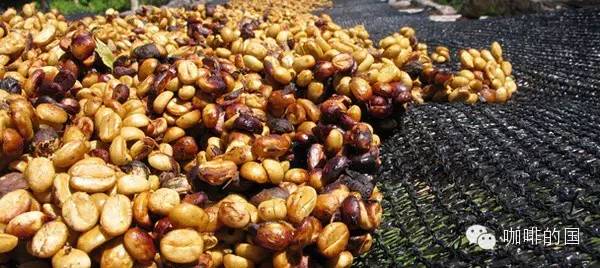
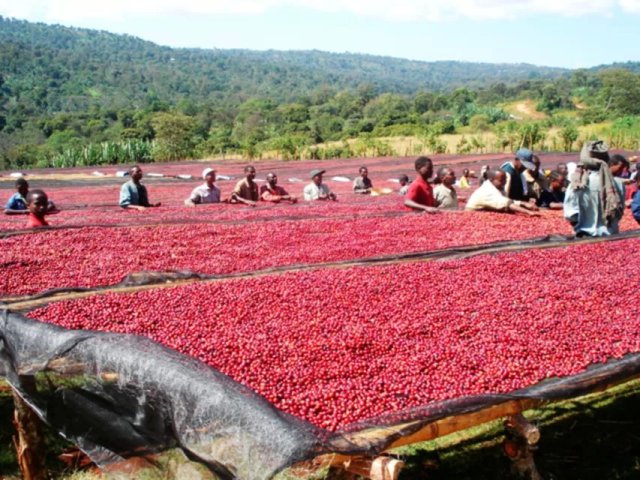
What Is Costa Rica Red Honey Coffee Processing?
Ever bought a bag labeled 'red honey' and wondered what that actually means? You're not alone. Many coffee drinkers see terms like 'red honey', 'black honey', or even 'yellow honey' and assume it's about color or sweetness — but in specialty coffee, these terms refer to very specific ways coffee cherries are processed after harvest. The honey process, especially in Costa Rica, is one of the most nuanced methods affecting both flavor and texture.
In short: red honey coffee is dried with around 70–100% of the coffee fruit’s sticky mucilage left intact, resulting in a cup with more body, sweetness, and fruit character than washed coffee, but less acidity than natural process. The ‘red’ refers to the bean’s color during drying, due to limited sunlight exposure over 2–3 weeks.
What Is the Honey Process in Coffee?
The honey process — or ‘miel’ in Spanish — originated as a hybrid between washed and natural methods. In Costa Rica, nearly all coffee-growing regions now use some form of honey processing, and the technique has spread across Central America. After picking, coffee cherries are depulped to remove the skin and some or all of the sticky mucilage (called 'miel', meaning honey) is left on the beans during drying. This mucilage is extremely sugary and viscous, hence the name.
Unlike washed coffee — where all mucilage is removed via water and fermentation — or natural process — where cherries dry entirely in the fruit — the honey process dries beans while retaining some of this sugary layer. That retained mucilage influences the final cup profile significantly, often leading to a heavier mouthfeel, pronounced sweetness, and lower perceived acidity than washed coffee, though usually higher acidity than natural process.
How Are Honey Process Levels Defined?
Not all honey process coffees are the same. The amount of mucilage left on the beans determines the ‘level’ of honey processing. Though originally based on percentages (40%, 60%, 80%, 100%), today these numbers reflect how much mucilage is intentionally retained. Some farms may deliberately remove part of the mucilage to manage fermentation risk.
These levels include:
- 40% honey (least mucilage retained, more like a light washed process)
- 60% honey
- 80% honey
- 100% honey (most mucilage retained, closest to natural process)
Keep in mind: the percentage isn't always measured precisely, but serves as a general guideline for how much fruit sugar remains during drying.
Why Do Honey Process Coffees Have Different Colors?
Another key aspect of honey-processed coffees is their drying method — specifically, how much light the beans are exposed to. This determines the final bean color, which is categorized into Yellow, Red, and Black honey. These colors are graded based on the drying duration and sunlight exposure.
- Yellow Honey: Dried quickly (about 1 week) with maximum sun exposure and frequent turning. Produces a cleaner, brighter cup but with slightly less sweetness and body. Often dried in warmer, drier conditions.
- Red Honey: Dried more slowly (2–3 weeks) with limited sunlight — often shaded or under reduced light. This slower drying enhances sweetness and body. Beans turn a reddish color as a result. The red honey process used for the FrontStreet Coffee Poás region example results in flavors like fruit leather, vanilla, and honey with a thick, refined mouthfeel.
- Black Honey: Dried the slowest (at least 2 weeks) with minimal light exposure, often under cover or in shaded areas. This method requires careful attention, more labor, and longer time, leading to deeper sweetness and complexity — and the highest price. Black honey beans are nearly black in color and develop intense fruity and syrupy profiles.
The color doesn’t just look different — it reflects how the coffee was dried, how much sugar developed, and ultimately how it will taste.
Case Study: Red Honey Coffee from Costa Rica’s Central Valley
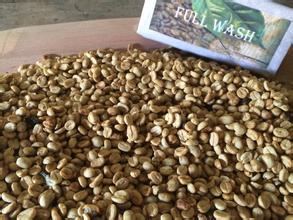
One clear example comes from the Central Valley of Costa Rica, where volcanic soils and high altitudes create ideal growing conditions. Farms in this region, such as the well-known Phoenix Estate , produce red honey coffees at elevations between 1,300–1,500 meters with annual rainfall around 3,000mm. The harvest runs from December to February, and key varieties include Caturra and Catuai.
The Phoenix Estate is 100% organic and was one of the earliest adopters of honey and natural drying methods in Central and South America. The estate uses a refractometer (brix meter) to measure sugar content in the coffee cherries; only fruits with a brix level over 20% — compared to 14–18% for typical fruit — are selected for honey processing, especially sun-drying. Their red honey lots are known for rich sweetness, with tasting notes of dried fruit, vanilla, honey, and a thick, velvety body. The estate avoids chemical fertilizers and pesticides, and even uses worm composting and rainwater collection systems for sustainability.
Compared to the more common washed process — like that of Ethiopian Yirgacheffe, which emphasizes floral and citrus notes — Costa Rica’s red honey offers a different profile: less bright acidity, more rounded sweetness, and a heavier mouthfeel. For example, Ethiopian Yirgacheffe (a washed G2 grade bean) shows notes of jasmine, lemon, bergamot, honey, and black tea, with a much faster drying time (around a week in full sun). In contrast, red honey coffees spend days longer on the drying beds, allowing the mucilage to transform into complex sugars.
Frequently Asked Questions
What is red honey coffee processing?
Red honey processing is a coffee method where coffee cherries are depulped and then dried with around 70–100% of the sticky mucilage (fruit layer) left on the beans. The beans are dried with limited sunlight over 2–3 weeks, which gives them a reddish color and produces a sweet, full-bodied cup with lower acidity than natural process coffee.
How is red honey different from yellow or black honey?
Red honey coffee is dried with moderate sunlight exposure for 2–3 weeks, resulting in a red-colored bean and balanced sweetness. Yellow honey is dried quickly in full sun (about 1 week) for a brighter, lighter profile. Black honey is dried slowly with minimal light for at least 2 weeks, creating deeper sweetness and complexity, with almost black beans.
Does honey processing mean there’s actual honey in the coffee?
No, 'honey' refers to the sticky, sugary mucilage that covers coffee beans after depulping. This mucilage is left partially on the beans during drying in honey processes, contributing to the coffee’s sweetness and body — but no actual honey is used.
What flavors are typical in red honey processed coffee?
Red honey coffees often have flavors of dried fruit, vanilla, honey, and chocolate, with a thick, smooth mouthfeel. They tend to be sweeter and less acidic than washed coffees, with more body and a rounded profile.
Where is honey processed coffee most common?
Honey processing originated in Costa Rica and is now widely used across Central America. It’s especially prominent in regions like the Central Valley of Costa Rica, where farms like Phoenix Estate produce well-known red and black honey lots.
Recommended FrontStreet Coffee for Honey Process Fans
For those curious about honey-processed coffees, try FrontStreet Coffee’s Red Honey offering from Costa Rica’s Central Valley — known for its red fruit, honey, and vanilla notes with a thick body. Also consider their Black Honey Geisha-influenced lot or their Natural Process Yirgacheffe for contrast. All showcase how processing shapes flavor. Freshly roasted within 5 days · Orders placed before 17:00 ship the same day · Next-day delivery across most of Guangdong Province.
FrontStreet Coffee is a long-established specialty coffee roaster in Guangzhou China, selling freshly roasted beans from its own farm in Yunnan as well as dozens of carefully selected single-origin beans from around the world for both pour-over and espresso. The products deliver consistently excellent quality and great value, with shipping within 24 hours. Guangzhou's FrontStreet Coffee shop is recommended by many coffee lovers, and the beans are now available online at the Tmall 。
Important Notice :
前街咖啡 FrontStreet Coffee has moved to new addredd:
FrontStreet Coffee Address: 315,Donghua East Road,GuangZhou
Tel:020 38364473