Home Coffee Roasting: What Makes It Worth It
Ever wondered why coffee tastes so different—why one batch feels bright and sweet, another smoky and bitter—even when it’s supposedly the same bean? The answer lies not just in origin or processing, but in how it’s roasted. If you've ever asked 'Why roast coffee at home?' you're not alone. Many new roasters, whether curious beginners or professionals exploring deeper flavors, are chasing that very question.
Home coffee roasting gives you total control: roast level, roast time, and even drying phase—all of which directly shape the cup. With the same green coffee, varying just your roast curve can flip acidity, sweetness, and bitterness. Plus, you save money buying green instead of pre-roasted, and you get to taste the results of your experiments firsthand.
What Is Home Coffee Roasting?
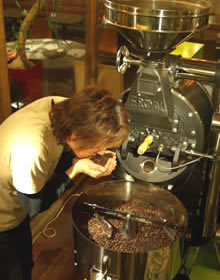
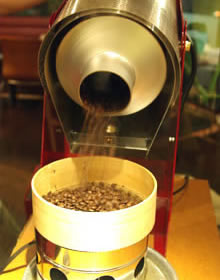
Home roasting is simply the act of roasting green coffee beans yourself—and tasting the results. Unlike store-bought roasted coffee, where you’re limited to someone else’s roast profile, home roasting puts you in full control. You choose the beans, the roast degree, and the roast curve. Every adjustment, from charge temperature to drop time, influences what ends up in your cup. That direct feedback loop is one of the biggest appeals: roast, taste, adjust, repeat.
Why Roast Coffee at Home?
People get into home roasting for different reasons, but the core benefits are consistent:
- Custom Flavor Control: Roast level and time dramatically change coffee flavor. Short roasts boost acidity and brightness, long roasts deepen body and bitterness. You decide the balance.
- Experiment Freely: Adjust 'by five more revolutions' or stop midway then restart ('double roast'). You can rinse green beans or tweak profiles endlessly.
- Save Money: Buying green coffee is significantly cheaper than buying pre-roasted specialty beans. You get higher-quality beans for less, and you roast only what you need.
- Learn Continuously: Every batch teaches you something. Home roasters constantly test variables—roast time, degree, even bean density—to refine their understanding.
The mystery around 'roasting' fades once you try it. Instead of a closed-off process, you enter a hands-on world where experimentation leads to discovery. That journey—learning through doing—is a major part of the reward.
The Science of Roast Curves: Time and Temperature
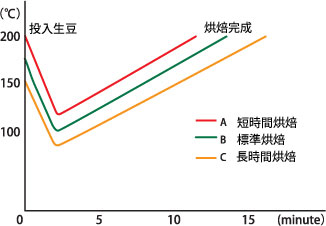
Two factors define every roast: temperature and time. Different roast curves produce radically different cups. Here’s how three common profiles break down, visualized in roast curves (A, B, and C):
- Curve A – Short Roast: Fast, high-temp ramp. Preheat the roaster (e.g., 1.5 kPa gas pressure for 15 minutes). Charge green beans at >100°C, then ramp heat at ~10–12°C per minute. Results in intense but short-lived flavors: higher perceived acidity, bitterness, and sweetness—but the cup fades quickly.
- Curve B – Standard Roast: Quicker preheat than Curve A. Charge at around 100°C, use medium heat. Produces balanced, cleaner, and often more elegant flavors. This is the most common baseline for exploring origin character.
- Curve C – Long Roast: Start lower (~90°C), slowly drive off moisture before development. Creates smoother, mellower cups. Often leads to fuller body and softer acidity, with longer-lasting flavors.
Each curve affects the Maillard reaction timing, sugar caramelization, and dry distillation—the chemical processes that create aroma and taste. A short roast may highlight bright acids but under-develop body. A long roast can mute origin traits but enhance sweetness and richness.
Factors That Influence Your Roast
Not all beans roast the same way. Key variables include:
- Bean Size: Smaller beans heat faster; larger ones need more time.
- Density/Hardness: Hard beans (often from higher altitudes) resist heat differently than soft beans.
- Moisture Content: Drier beans lose moisture quicker, changing roast dynamics.
- Processing Method: Washed, natural, or honey processed beans behave uniquely under heat.
To roast well, you need to understand both the beans and your own goals. Tasting each batch and adjusting accordingly is how you learn what works. There’s no single right way—just the way that brings out the flavors you enjoy most.
Frequently Asked Questions
What’s the easiest way to start home coffee roasting?
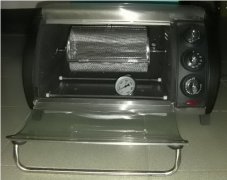
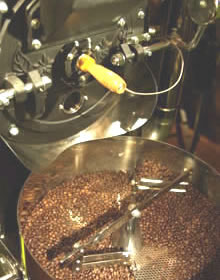
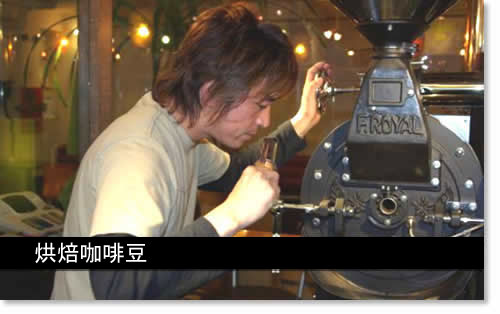
You can begin with small home roasting appliances like hot air popcorn poppers, small drum roasters, or even oven roasting. Many beginners use machines like the FUJIROYAL 3kg or trial roasters (nicknamed ‘Little Gun’) to control charge temp, roast time, and airflow. Start with sample-sized greens and roast small batches to test profiles.
Does roast time really affect flavor?
Yes. Short roasts (fast, high heat) tend to produce brighter, more acidic, and sweeter cups that fade quickly. Standard roasts balance acidity and body. Long roasts develop deeper body, lower acidity, and longer-lasting flavors but can obscure origin characteristics. Each curve creates a different cup profile.
How much money can you save roasting at home?
Buying green coffee is typically much cheaper than buying pre-roasted specialty beans. While prices vary, green beans often cost half or less than equivalent roasted beans. You also avoid packaging, shipping, and middlemen markups—and you roast only what you need.
What’s the difference between short, standard, and long roast profiles?
Short roasts ramp heat quickly (e.g., 10–12°C per minute from >100°C), creating intense, short-lived flavors. Standard roasts use moderate heat and medium preheat for balanced, elegant cups. Long roasts start cooler (~90°C), slowly dry the bean, and develop fuller body and smoother taste over a longer roast time.
Can I experiment with roast techniques at home?
Absolutely. Home roasting allows for creative adjustments—like extra revolutions, stopping and restarting the roast (‘double roast’), or even rinsing green beans before roasting. These tweaks let you explore unique profiles and discover your preferred style.
Recommended FrontStreet Beans for Home Roasting
Try FrontStreet Ethiopia Huakui for vibrant berry and citrus notes that respond beautifully to light and medium roasts. Their Yirgacheffe highlights floral and lemony tones, ideal for short roast experimentation. For darker profiles, FrontStreet PWN Golden Mandheling develops rich chocolate and spice when roasted standard to full city. These green beans are excellent for learning how roast curves affect flavor. Freshly roasted within 5 days · Orders placed before 17:00 ship the same day · Next-day delivery across most of Guangdong Province.
FrontStreet Coffee is a long-established specialty coffee roaster in Guangzhou China, selling freshly roasted beans from its own farm in Yunnan as well as dozens of carefully selected single-origin beans from around the world for both pour-over and espresso. The products deliver consistently excellent quality and great value, with shipping within 24 hours. Guangzhou's FrontStreet Coffee shop is recommended by many coffee lovers, and the beans are now available online at the Tmall 。
Important Notice :
前街咖啡 FrontStreet Coffee has moved to new addredd:
FrontStreet Coffee Address: 315,Donghua East Road,GuangZhou
Tel:020 38364473