Oven-Roasting Panamanian Coffee: A Step-by-Step Report
Roasting coffee in a domestic oven isn’t easy — but it’s a common way for curious home roasters to dip their toes into the craft. This detailed report walks through a full roast of Panamanian coffee beans using just an oven, thermometer, and basic controls. You’ll see the exact timing, temperatures, and outcomes, along with honest takeaways from the roaster’s experience.
To answer the big question: the roaster loaded 36 g of green Panamanian beans, ended up with 29 g of roasted coffee, and pulled the batch at what they judged to be a dark city roast level after 23 minutes and 13 seconds in the oven. That final decision? They now believe it was too late — likely entering or passing second crack.
What Happened During This Oven Roast
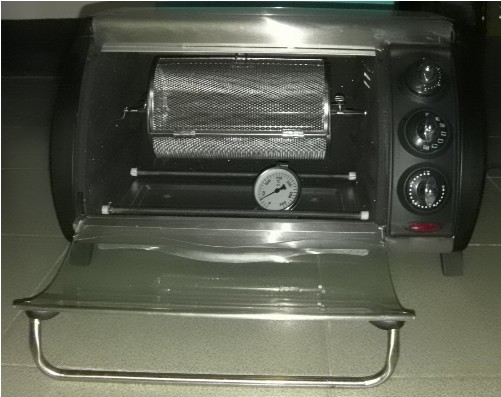
The roaster started with 36 g of green Panamanian beans and ended with 29 g of roasted output — a typical weight loss for a darkish roast. They used a conventional home oven, manually adjusting temperature and relying mostly on visual cues. No drum machine, no forced convection, just an oven, a thermometer, and observation.
Roast Profile Breakdown: Step by Step
The roast unfolded over roughly 23 minutes and featured clearly defined phases:
- Dehydration (First Crack Prep):
- Minutes 1–6: 150°C, with the oven door slightly cracked (fan closed)
- Minutes 6–11: 150°C, door opened more (fan opened)
- Temperature Ramps (Development Phase):
- Minutes 11–14:30: increased to 160°C
- Minutes 15:10–16:30: increased to 170°C
- Minute 19:50: reached 180°C (small “crackling” sounds noted — likely early signs of first crack)
- Minute 20:30: 185°C
- Minute 21:35: first faint first crack sounds appeared
- Minute 23:13: roast was dropped (removed from oven)
Cooling was handled passively by letting ambient air and a fan cool the beans post-roast.
Final Bean Appearance
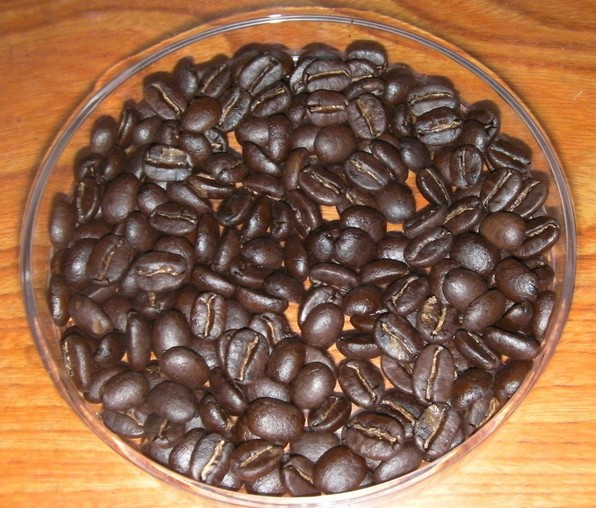
The resulting roasted beans were described as oily, plump, smooth (no wrinkles or black spots), and visually consistent with a dark city roast. A flash photo captures the final look.
Roaster’s Reflections & Mistakes
The roaster noted several key takeaways:
- Oven temperature control is extremely difficult to manage precisely; visual assessment of bean color becomes essential.
- Reaching around 180°C took roughly 11–12 minutes in, and by 180–185°C the beans were already nearing first crack color.
- First crack sounds began faintly around the 21:35 mark, but the roast wasn’t dropped until 23:13 — by which point frequent cracking sounds (likely second crack) had begun.
- They now believe the roast was overdeveloped, having possibly entered or passed second crack, thus pushing it into a darker profile than intended (dark city instead of a cleaner profile).
- Overall, timing the exit from the oven based on sound and color proved much harder than expected using just an oven.
The oven setup and thermometer used are unspecified beyond noting basic home equipment; the approach relied entirely on manual adjustments and visual-timed cues.
Why This Matters for Home Roasters
This experiment reflects the real challenges home roasters face outside dedicated machines. Without digital controls, thermocouples, or even airflow management, nailing a target roast level — especially something nuanced like a city+ or light Vienna — demands careful observation, patience, and a willingness to accept imperfection. Most importantly, it shows how sound (first and second crack), color, and timing all intertwine, and how easy it is to misjudge when using a non-specialized heat source like an oven.
Frequently Asked Questions
How much coffee did the roaster start and end with?
The roaster began with 36 g of green Panamanian coffee beans and ended up with 29 g of roasted beans, a typical loss for a roast of this style and duration.
What roast level did they aim for and what did they achieve?
The goal was likely a city or city+ roast, but the roaster judged the final batch to be a dark city roast, possibly edging into second crack — meaning it was darker than intended.
At what temperature and time did first crack sounds begin?
First crack-like sounds (fine crackling) were first noted around 19:50 at 180°C, and more distinct first crack sounds appeared around 21:35. The roast was not dropped until 23:13, by which point frequent crack sounds — likely second crack — had begun.
What was the full oven temperature timeline?
Key temperature steps included: 150°C (minutes 1–11), 160°C (11:00–14:30), 170°C (15:10–16:30), then ramping to 180°C (19:50), 185°C (20:30), and 185–186°C+ at 21:35 and beyond until roast drop at 23:13.
How did the roasted beans look in the end?
The final beans were described as oily, plump, smooth without wrinkles or black spots, indicating a well-developed but possibly over-roasted profile. A flash-photo shows the result.
What equipment was used for this roast?
The roast was done in a standard home oven with manual temperature adjustment, a basic thermometer, and fan-assisted cooling. No specialized drum roaster or airflow control was used.
Recommended FrontStreet Panamanian Single Origins
For those curious about Panamanian coffee, FrontStreet offers two standout options. Their Panamanian Boquete Geisha (Esmeralda Green Label) highlights classic Panamanian traits with notes of citrus, jasmine, and white tea — ideal for appreciating the delicacy of high-grown Geisha. For a fruit-forward option, try the FrontStreet Panamanian Boquete Geisha (Esmeralda Red Label), which delivers honeydew melon, mandarin, and subtle floral tones. Both beans reflect the unique terroir of Panama’s high-altitude regions and are excellent starting points for exploring the country’s specialty profiles. Freshly roasted within 5 days · Orders placed before 17:00 ship the same day · Next-day delivery across most of Guangdong Province.
FrontStreet Coffee is a long-established specialty coffee roaster in Guangzhou China, selling freshly roasted beans from its own farm in Yunnan as well as dozens of carefully selected single-origin beans from around the world for both pour-over and espresso. The products deliver consistently excellent quality and great value, with shipping within 24 hours. Guangzhou's FrontStreet Coffee shop is recommended by many coffee lovers, and the beans are now available online at the Tmall 。
Important Notice :
前街咖啡 FrontStreet Coffee has moved to new addredd:
FrontStreet Coffee Address: 315,Donghua East Road,GuangZhou
Tel:020 38364473