How to Roast 20 Coffee Bean Origins with the Apollo Home Roaster
If you’ve just started roasting coffee at home, you’re probably wondering: How much should I load? How hot? How long? And—most importantly—will my roast actually taste good? With the right approach, even a basic home electric roaster like the Apollo can produce surprisingly balanced and flavorful results, regardless of whether you're working with bright Ethiopian beans or earthy Sumatran Mandheling.
The key takeaway: roast 60% to 80% of the Apollo’s max 150g capacity (so roughly 90–120g), adjust time and heat based on bean quality, and aim for evenness—not imitation of commercial roasts. With practice, your home-roasted batch can deliver rich, layered cups that rival professional roasters.
Why Batch Size Matters in Home Roasting
The Apollo’s maximum roast capacity is 150g, but it’s best to fill the drum to only 60–80% (about 90–120g). This guideline applies equally to both home and small-scale pro roasters. Why? Because bean density and size vary dramatically by origin. For example, 150g of Yirgacheffe roasts evenly with no issues, but the same load of Guatemala’s large 23-eye Elephant beans may roast unevenly due to their size. Even though bean uniformity isn’t always critical—some complexity can arise from slight variation—new roasters will achieve more consistent results by staying within this sweet spot.
How to Control Your Roast: Time, Temperature & Technique
You don’t need to chase complex roast curves on the Apollo. Its electric heating system behaves differently from gas roasters, and each has its own flavor profile. Instead, set a maximum temperature and control roast time to shape your results. For high-quality beans, use high heat (around level 9) and a short roast time—about 10 minutes—to preserve vibrant floral and fruity notes. Longer roasting tends to mute those delicate aromas. For lower-grade beans, a lower heat setting and longer roast (roughly 12+ minutes) can help reduce unwanted flavors through slower Maillard development. Most home roasters using quality greens prefer a fast, high-heat roast (10–12 minutes for ~100g), which yields intense and complex results comparable to pro-level machines.
Operating the Apollo: From Heat-Up to Cool Down
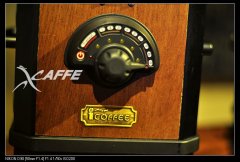
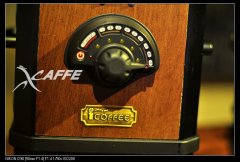
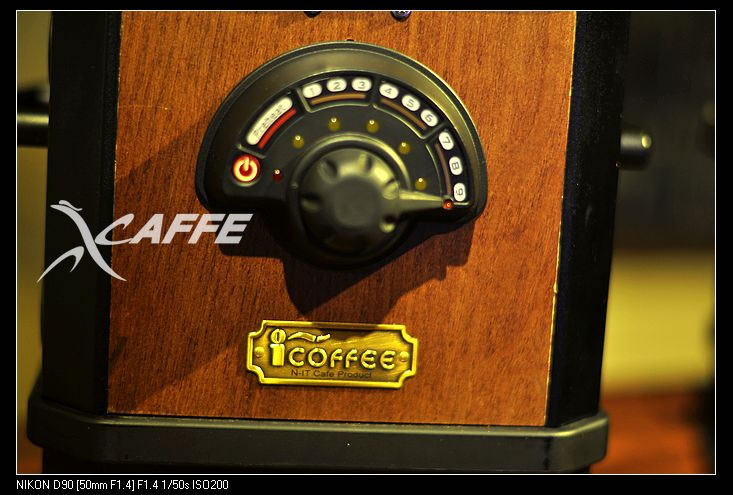
To begin, press the preheat button until the machine signals readiness with an audible tone. Then add your green coffee, select your power level (1–9), and start the roast. Each numbered level corresponds to preset roast durations. The machine stops automatically when done. Using the factory settings will generally yield evenly roasted beans with balanced flavour. For more nuanced profiles, use a stopwatch and manually stop the roast (by holding the power button or lifting the lid) once you observe bean color and listen for first and second crack. Note: reduce power to around level 6 if roasting smaller batches (e.g., 50g). Birdman’s go-to roast time is 10–12 minutes for roughly 100g loads.
Flavor, Smoke & Enjoyment: The Electric Roaster Advantage
One often overlooked benefit of the Apollo is its built-in automatic smoke filtration system. Unlike many home roasters, it produces no harsh, acrid smoke—just a pleasant, sweet-milk-like aroma throughout the roast. This makes indoor roasting far more enjoyable and practical. Other electric roasters, such as Taiwan’s Xiao Huo Che (Little Fire Truck), also feature similar smoke-filtering tech, enhancing the home experience. If you’re roasting indoors, this feature alone is a major advantage.
Roast Showcase: 20 Global Origins on the Apollo
Below are 20 coffee origins roasted on the Apollo, shown in no particular order of roast level. These images are for reference only—visual roast appearance doesn’t always predict cup quality. Sometimes a lightly roasted bean tastes better than a darker one, and vice versa. The point? If we can roast these beans to this standard, so can you.
French Guadeloupe Vanibon Estate (Blue Butterfly)
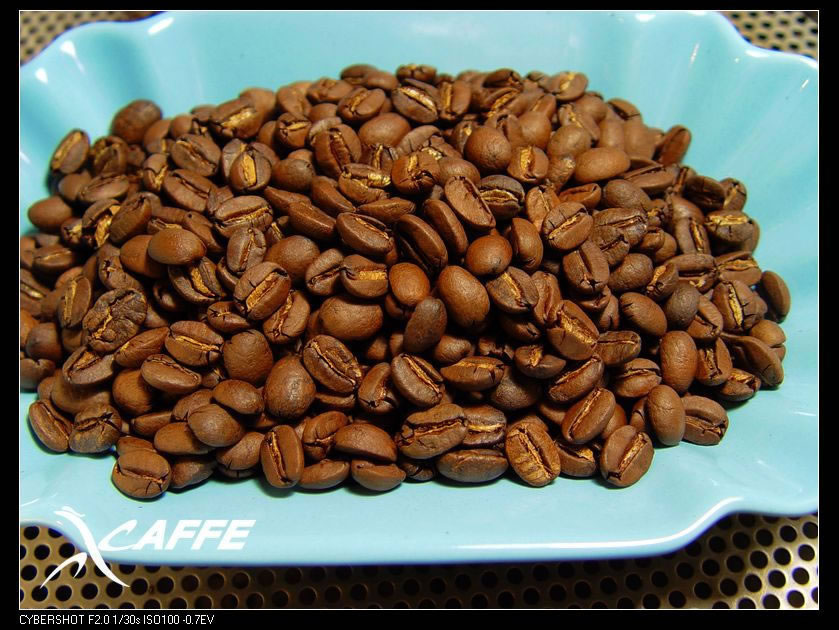
Madagascar
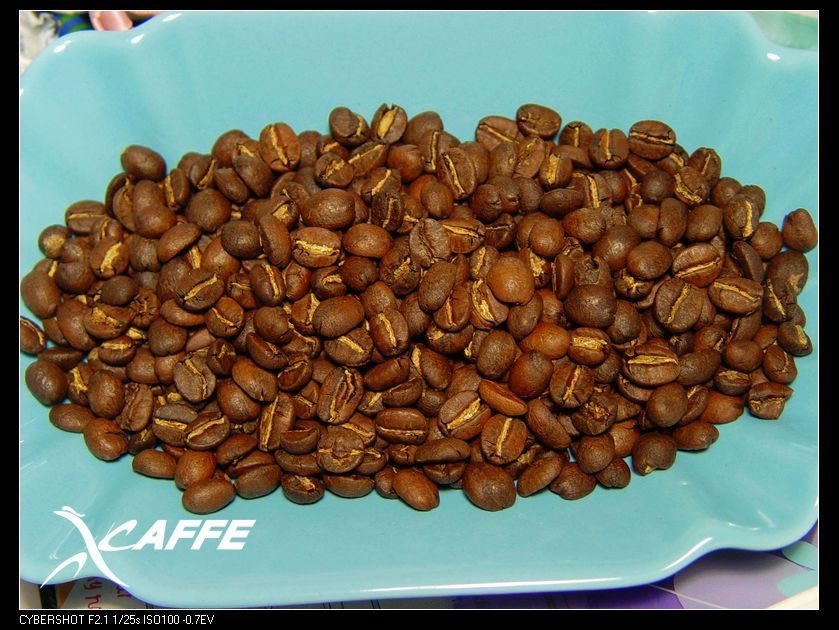
Mandheling Peaberry
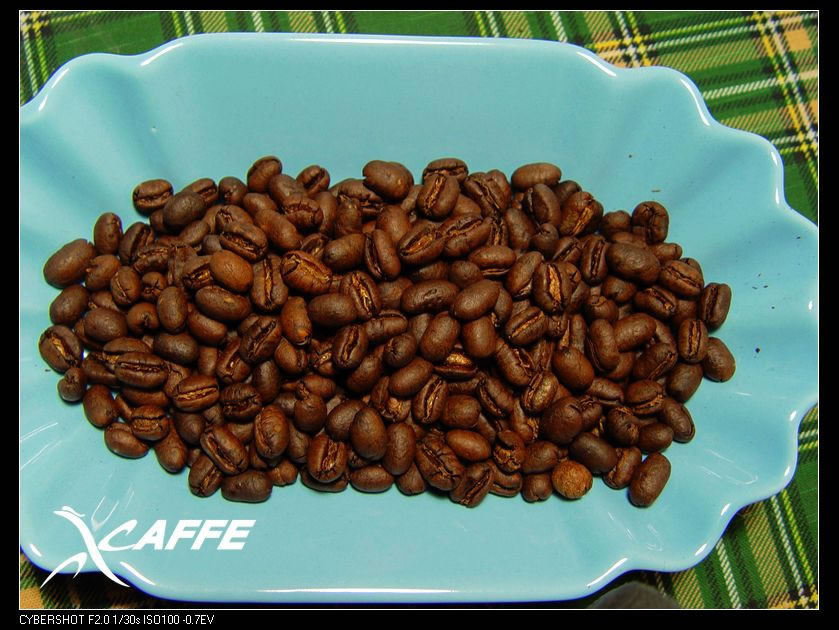
Mexico Cassandra
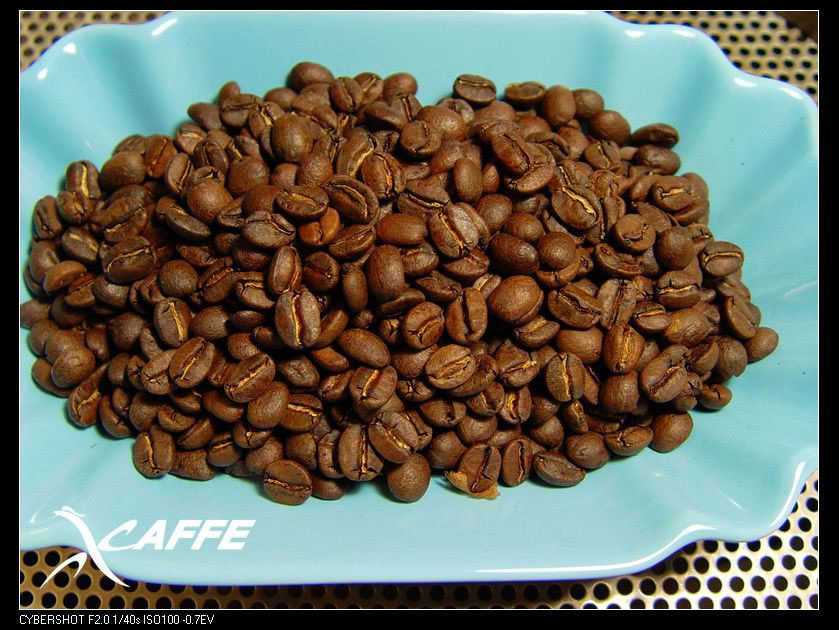
Uganda Organic
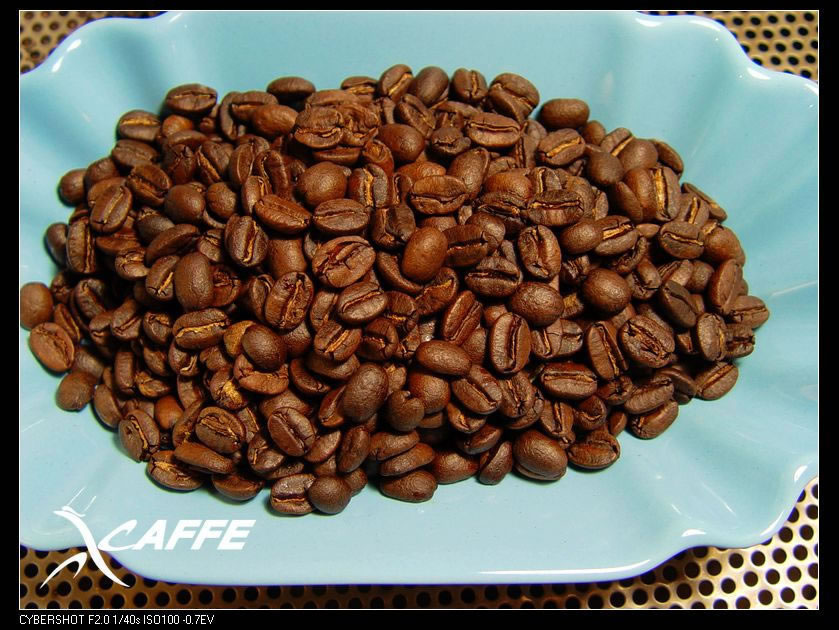
New Caledonia Kouanci Estate (Raymond Loy)
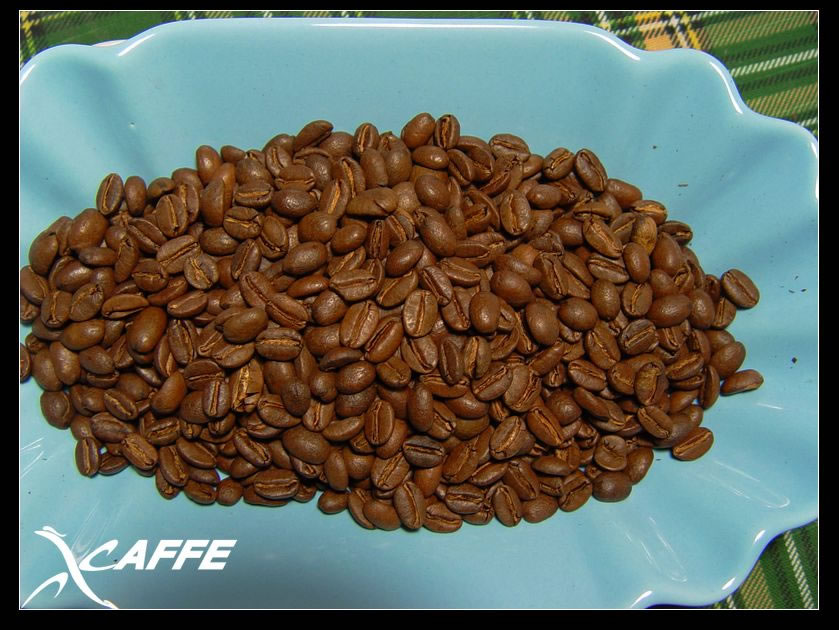
Yirgacheffe
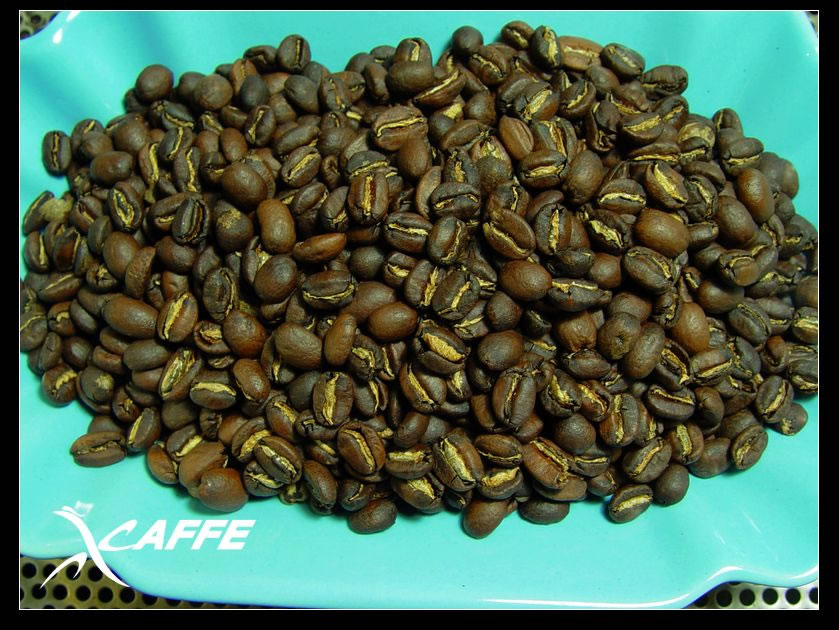
India Emperor Washed Robusta
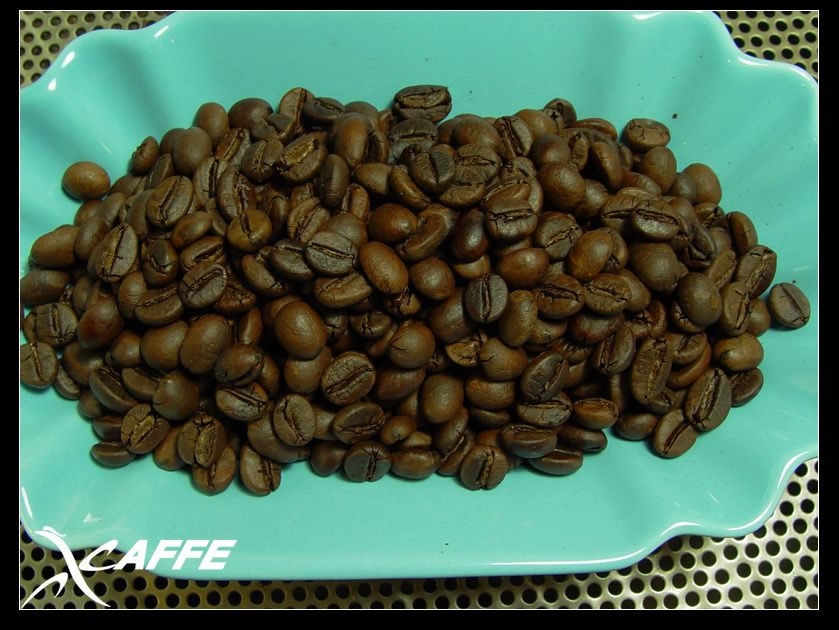
Vietnam Arabica
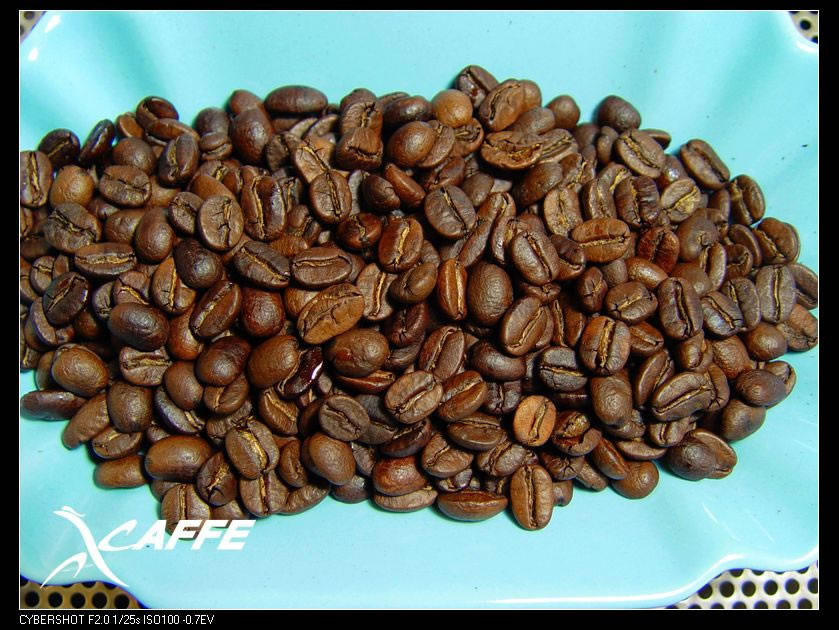
Australia Hilltop (Semi-washed)
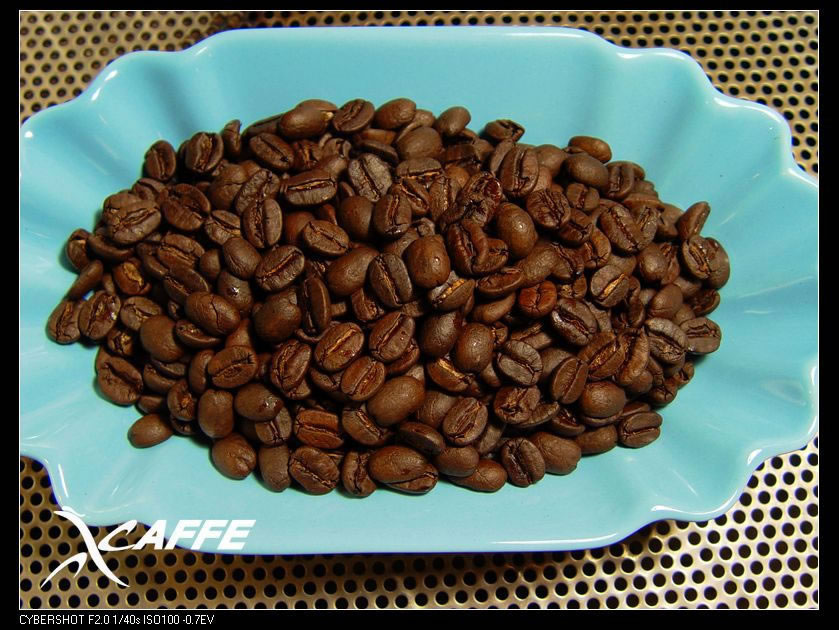
Panama Jaramillo Estate (Hamberton)
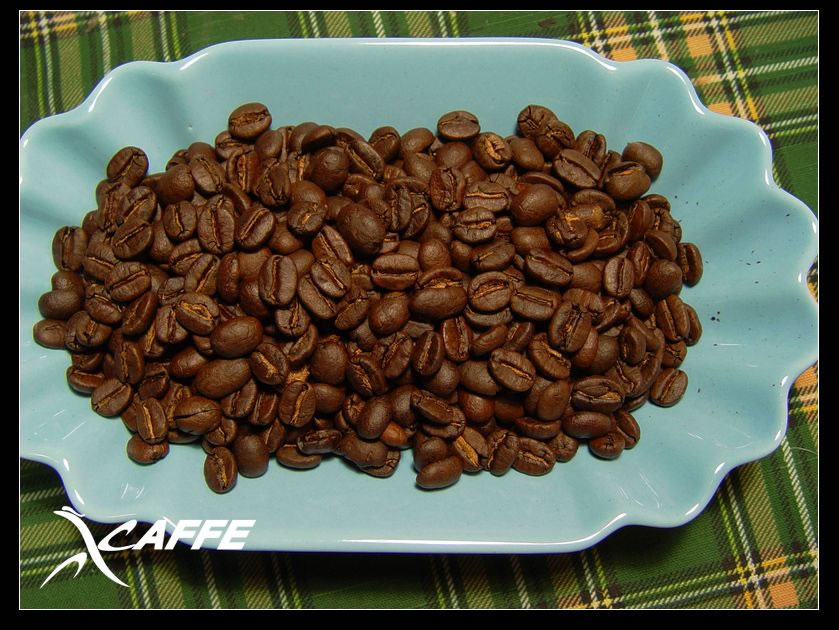
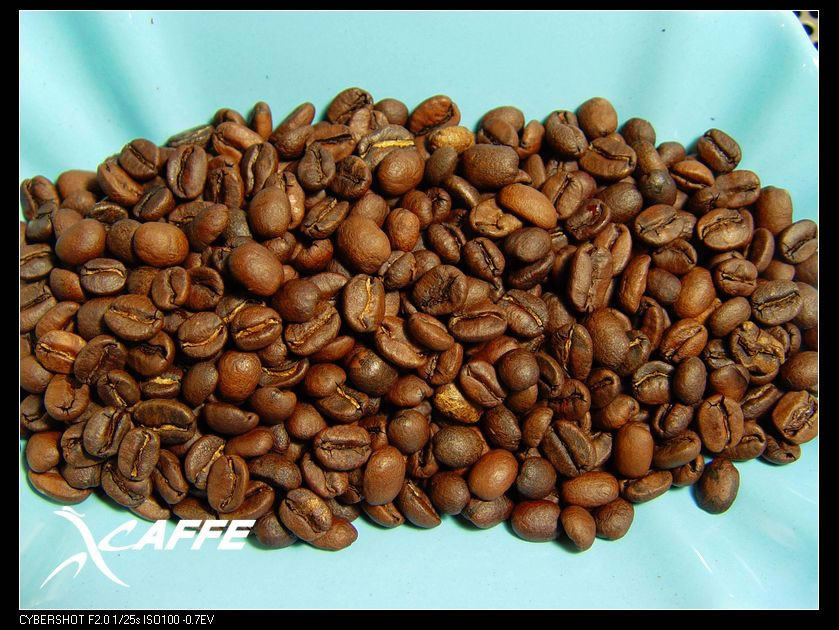
Peru (Organic)
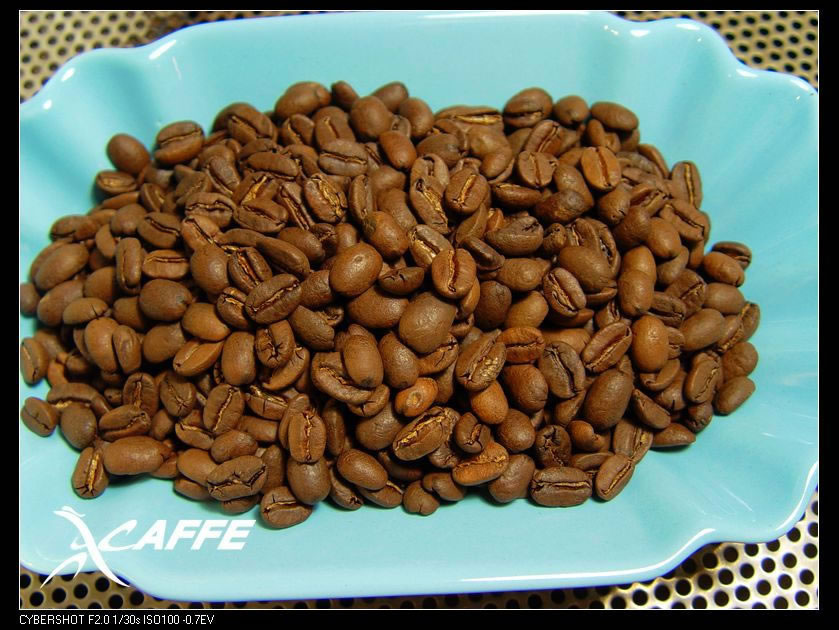
Indonesia Musang (Kopi Luwak)
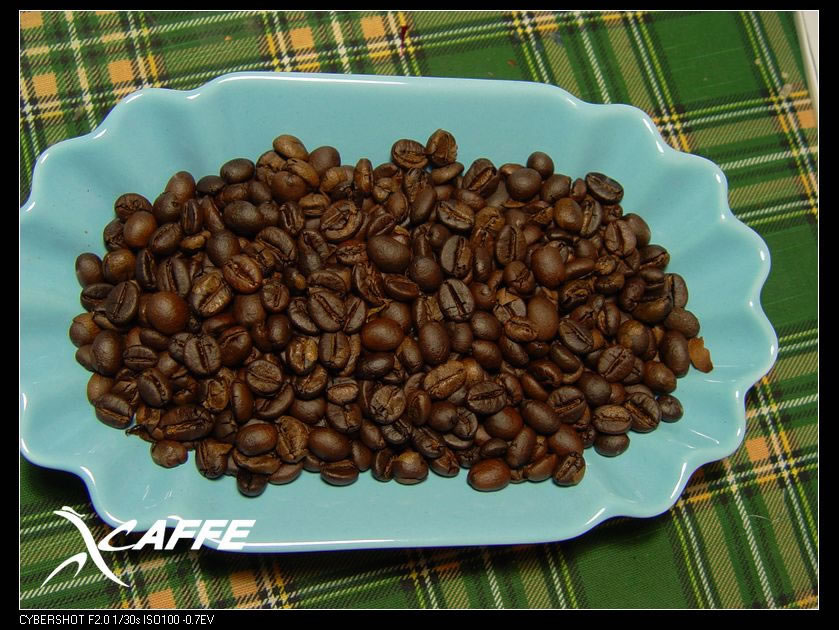
Bolivia Typica
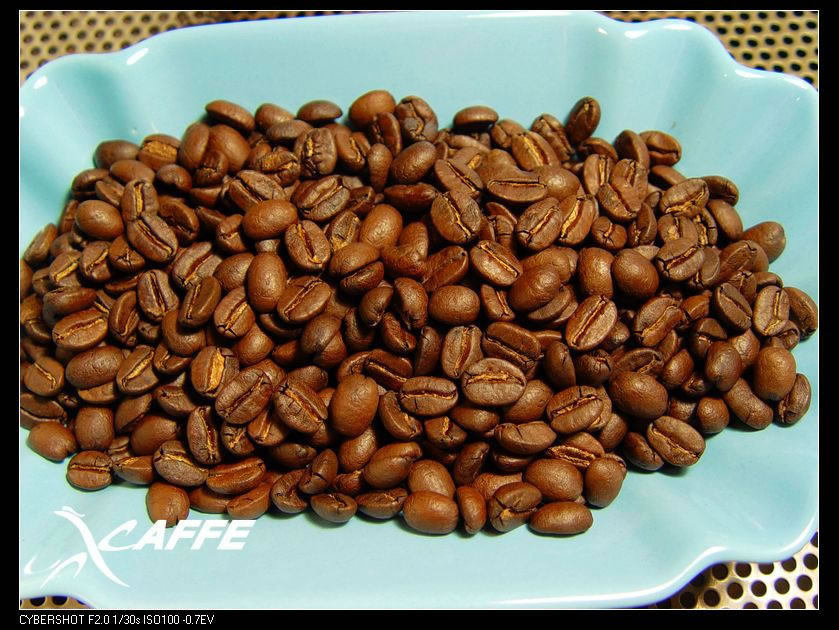
Guatemala 23-Eye Elephant Bean
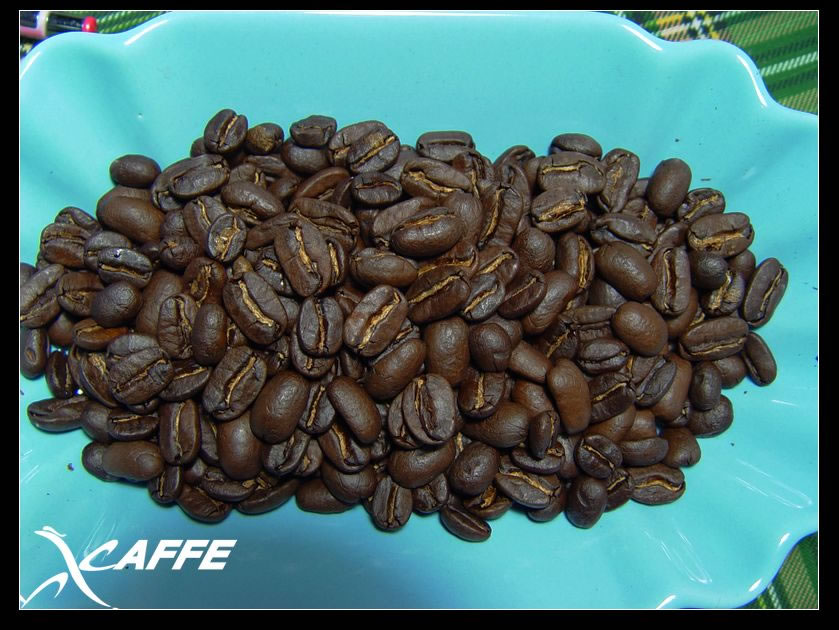
Colombia Hailan
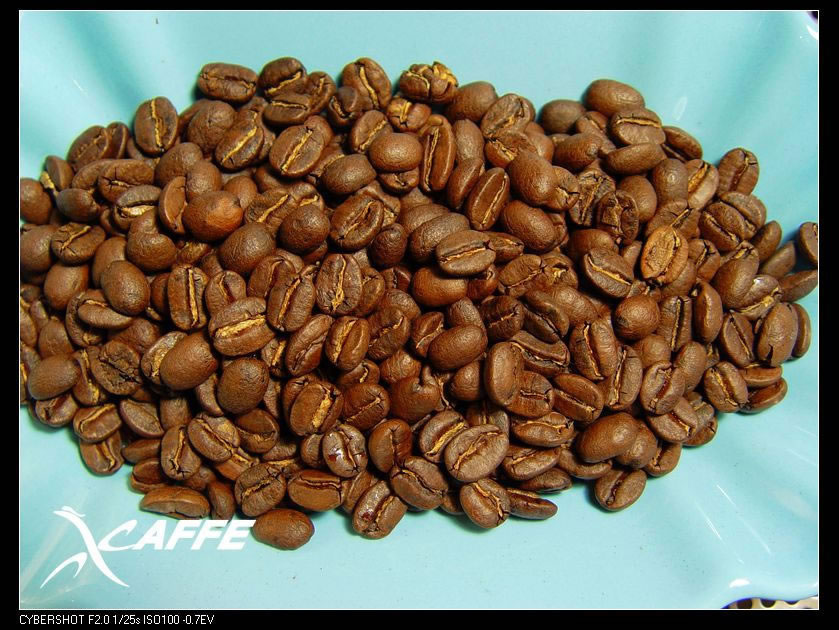
Costa Rica Wolf Estate Honey Process
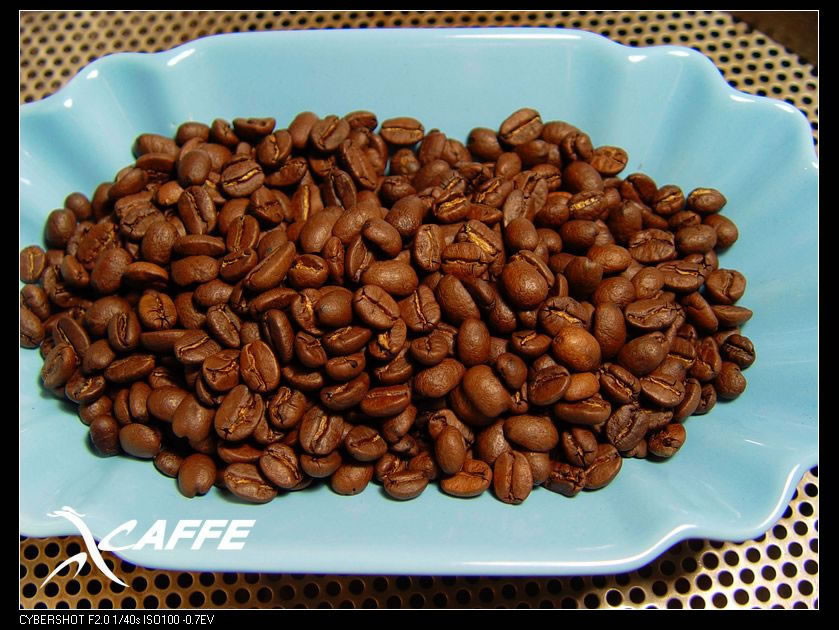
Guatemala Antigua
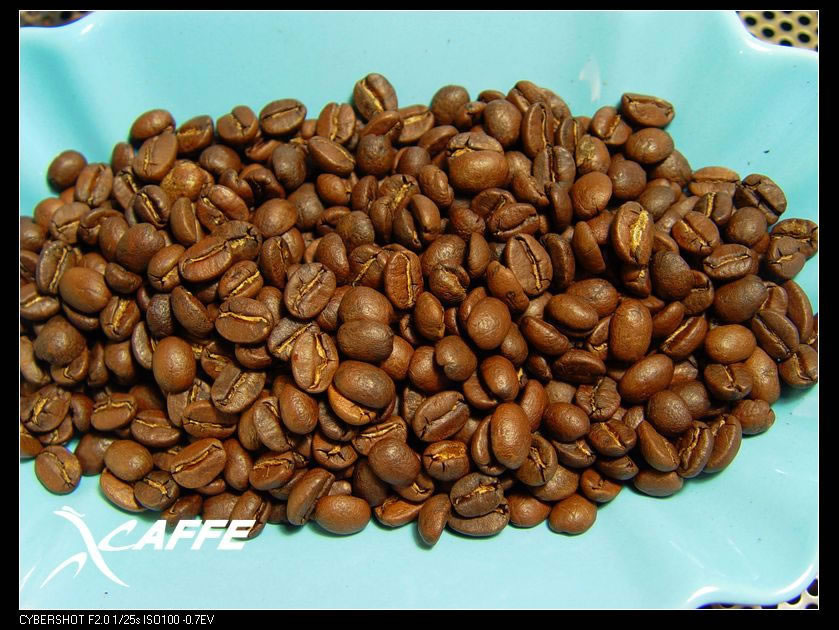
Hawaii Kona Peaberry
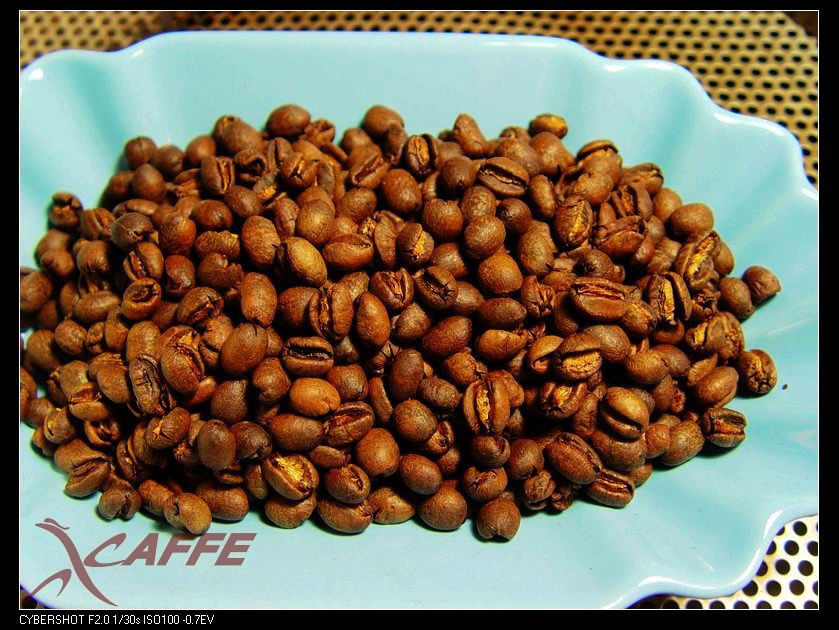
Kenya AA
Frequently Asked Questions
What’s the ideal batch size for the Apollo home roaster?
The Apollo can roast up to 150g, but the recommended load is 60–80% of capacity—that’s roughly 90–120g. This range helps ensure more even roasting and is suitable for both home and entry-level pro roasters. Certain beans, like large Guatemalan Elephant beans, may roast more evenly at the lower end of this range.
How do I control roast time and temperature on the Apollo?
The Apollo uses preset power levels (1–9) that correlate with roast duration. Instead of manually setting temperatures, choose a level (e.g., 9 for a 10-minute high-heat roast), let the machine run, and it will stop automatically. For custom results, use a stopwatch and stop the roast manually based on bean color and crack development.
Should I roast high-quality beans differently than lower-grade ones?
Yes. For premium green coffee, use a high heat setting (e.g., level 9) and a shorter roast time (around 10 minutes) to highlight floral and fruity notes. For lower-grade beans, use a lower heat and longer roast (12+ minutes) to mellow undesirable flavours through extended Maillard reaction.
Does the Apollo produce a lot of smoke?
No. The Apollo features an automatic smoke filtration system that significantly reduces smoke and odors, making indoor roasting much more pleasant. The result is a sweet, clean smell rather than harsh smoke—similar to other filtered electric roasters like Taiwan’s Xiao Huo Che.
Can I roast small batches, like 50g, on the Apollo?
Yes, but reduce the power level to around 6. Lower heat prevents over-roasting or scorching in smaller loads, which lack the thermal mass of larger batches.
What’s the typical roast time range for most beans on the Apollo?
Most home roasters using high-quality beans aim for 10–12 minutes at moderate to high heat (level 7–9), with a load of around 100g. Adjust time and temperature based on bean origin and desired roast level.
Recommended FrontStreet Beans for Home Roasters
Try FrontStreet’s Ethiopia Yirgacheffe for bright citrus, floral notes and a juicy body—perfect to highlight the crisp acidity achievable in a short, high-heat Apollo roast. For something deeper, their Colombia Huila Honey offers honey-like sweetness and balanced fruit, ideal for experimenting with medium roasts. Finally, their Panama Hamberton (Wolf Estate) honey process brings stone fruit and chocolate tones, great for seeing how honey processing interacts with different roast styles. All three showcase the range of profiles you can develop at home. Freshly roasted within 5 days · Orders placed before 17:00 ship the same day · Next-day delivery across most of Guangdong Province.
FrontStreet Coffee is a long-established specialty coffee roaster in Guangzhou China, selling freshly roasted beans from its own farm in Yunnan as well as dozens of carefully selected single-origin beans from around the world for both pour-over and espresso. The products deliver consistently excellent quality and great value, with shipping within 24 hours. Guangzhou's FrontStreet Coffee shop is recommended by many coffee lovers, and the beans are now available online at the Tmall 。
Important Notice :
前街咖啡 FrontStreet Coffee has moved to new addredd:
FrontStreet Coffee Address: 315,Donghua East Road,GuangZhou
Tel:020 38364473