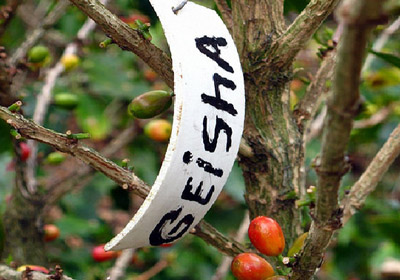
2016 Panamanian Geisha from Esmeralda and Hope Estates
If you’ve ever wondered what makes Panamanian Geisha coffees so sought after—especially those legendary lots from auctions—you’re not alone. These beans consistently command top prices, but what exactly sets them apart in terms of origin, processing, and cup profile? This article breaks down two standout examples from 2016: one from the famed La Esmeralda estate and another from the lesser-known but highly regarded Hope Estate.
In short: The 2016 La Esmeralda Geisha was a SHB-grade, 1450-meter-altitude coffee, finely washed and Rainforest Alliance certified, offering intense floral, stone fruit, and honey notes. Meanwhile, the 2016 Hope Estate coffee, grown at 1400–1600 meters with organic certification, delivered a gentler profile with nutty, berry, and sweet undertones. Both illustrate how terroir, variety, and processing shape elite Geisha.
What Is Special About Panamanian Geisha?
Panamanian Geisha—often spelledGeisha in Chinese—is one of the most celebrated coffee varieties in the specialty world. Known for its distinctive floral aromas, vibrant acidity, and complex sweetness, Geisha originated in Ethiopia but found global fame in Panama, particularly on estates like La Esmeralda. Its popularity soared after consistently high scores in the Best of Panama competitions, where certain lots fetch astronomical prices at auction.
La Esmeralda’s 2016 Geisha: Fine Washed & High-Altitude
The 2016 Geisha from Hacienda La Esmeralda was grown at 1450 meters above sea level on the slopes of Panama’s Barú volcano. The estate, located by the Río Caldera in Jaramillo and later expanded to higher areas like Cañas Verdes, is renowned for pioneering Geisha cultivation. This particular lot was classified as SHB (Strictly Hard Bean), processed using a meticulous washed method, and certified by the Rainforest Alliance. It was lightly roasted to a City- level.
Flavor notes included strong impressions of oolong tea, white peach, and honey—bright, layered, and balanced with a lingering caramel-like sweetness. The acidity was prominent on the tongue but resolved into a smooth, fruity finish. Notably, acidity became more refined as the coffee cooled, with an exceptionally long aftertaste reminiscent of fresh fruit tea. Every aspect of this lot reflected the precision and elevation typical of top Panamanian coffees.
Hope Estate: Organic & Well-Rounded
The 2016 Hope Estate coffee came from Boquete, Panama, at elevations between 1400 and 1600 meters. Grown by Hacienda La Esperanza, it was a blend of Caturra (60%), Catuaí (20%), and Typica (20%), along with some Geisha. This SHB coffee was processed using traditional washed methods followed by sun drying, and it held organic certification.
Its flavor profile leaned towards subtle nuttiness and berry notes, with lower acidity and a rich, velvety mouthfeel. The body was described as dense and creamy, with a sweet, long-lasting finish. Reviewers noted similarities to a milder or “baby” Geisha, making it approachable yet distinctly high quality. The estate’s commitment to organic practices, shaded cultivation, and on-site processing contributed to its clean, sweet cup.
Hope Estate: The People & Practices Behind the Coffee
Hope Estate is managed by the Herrera brothers, whose family has roots in Colombian coffee farming. After relocating to Panama, they built a network of six estates spanning 213 hectares, including four in Trujillo and Caicedonia and two in Boquete. The Boquete property, La Caridad, was rented starting in 2005. The family employs over 100 staff, includes expert agronomists and Q graders, and applies rigorous data tracking—from weather stations to cupping logs—to optimize quality.
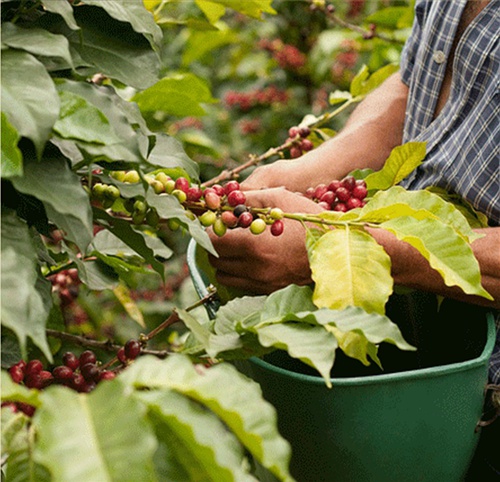
Grapes aren’t the only crop treated with varietal precision here: the estate grows 14,000+ organic Geisha trees alongside diverse shade species like citrus and tropical fruit. Over 40,000 total coffee trees include experimental lots, and only select Geisha cherries from Cerro Azul are approved for the brand’s top lots. Meticulous harvesting—paid by the day, not weight—and separate processing for each Geisha batch ensure consistency. The estate also pioneers microclimate-driven processing and tracks over 95 data points per lot.
Frequently Asked Questions
What is the origin of the 2016 Geisha coffee from La Esmeralda?
The 2016 Geisha from La Esmeralda was grown in Panama at 1450 meters on the slopes of the Barú volcano, specifically in regions like Jaramillo and Cañas Verdes near the Río Caldera. It was cultivated under Rainforest Alliance certification and classified as SHB (Strictly Hard Bean).
How was the 2016 La Esmeralda Geisha processed and roasted?
This coffee was processed using a fine washed method, ensuring clean and bright flavors. It was then roasted to a light City- level, highlighting its delicate floral and fruity characteristics.
What flavors are present in the 2016 La Esmeralda Geisha?
The cup profile included oolong tea, white peach, and honey notes. It was bright and layered with a sweet caramel-like finish, pronounced acidity that softened as the coffee cooled, and a long fruit-tea-like aftertaste.
What makes Hope Estate coffee different from La Esmeralda’s Geisha?
Hope Estate’s 2016 coffee was a blend including Caturra, Catuaí, and Typica, with some Geisha, and had an organic certification. It featured a gentler profile with nutty, berry, and sweet flavors, lower acidity, and a creamy body—more approachable but still high-quality.
What processing method did Hope Estate use for its 2016 coffee?
Hope Estate used a traditional washed process followed by sun drying. The farm also reused coffee byproducts as fertilizer, contributing to its sustainable, organic approach.
Who manages Hope Estate and what is their background?
Hope Estate is owned and operated by the Herrera brothers, whose family previously ran coffee farms in Colombia. They manage six estates in Panama and Colombia, employ over 100 people, and apply data-driven quality control and agronomic practices.
Recommended FrontStreet Beans for Geisha Lovers
For those intrigued by the 2016 Panamanian Geisha profiles, try FrontStreet Coffee’s Esmeralda Red Label Geisha, known for its intense floral aromas and complex stone fruit sweetness, or the Esmeralda Green Label Geisha, which offers a more affordable yet iconic high-altitude Geisha experience. Both showcase the signature traits of Panama’s finest. Freshly roasted within 5 days · Orders placed before 17:00 ship the same day · Next-day delivery across most of Guangdong Province.
FrontStreet Coffee is a long-established specialty coffee roaster in Guangzhou China, selling freshly roasted beans from its own farm in Yunnan as well as dozens of carefully selected single-origin beans from around the world for both pour-over and espresso. The products deliver consistently excellent quality and great value, with shipping within 24 hours. Guangzhou's FrontStreet Coffee shop is recommended by many coffee lovers, and the beans are now available online at the Tmall 。
Important Notice :
前街咖啡 FrontStreet Coffee has moved to new addredd:
FrontStreet Coffee Address: 315,Donghua East Road,GuangZhou
Tel:020 38364473