Congo Kivu Lake Peaberry Roast: Defects and Deep Roast Results
When you buy a bag of specialty coffee, especially something as rare as a Peaberry from the Kivu Lake region of the Democratic Republic of Congo, you expect green beans free of major flaws. But what happens when nearly half of them are visibly broken or damaged before roasting even begins?
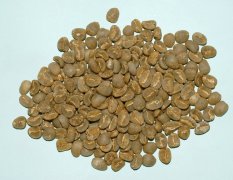
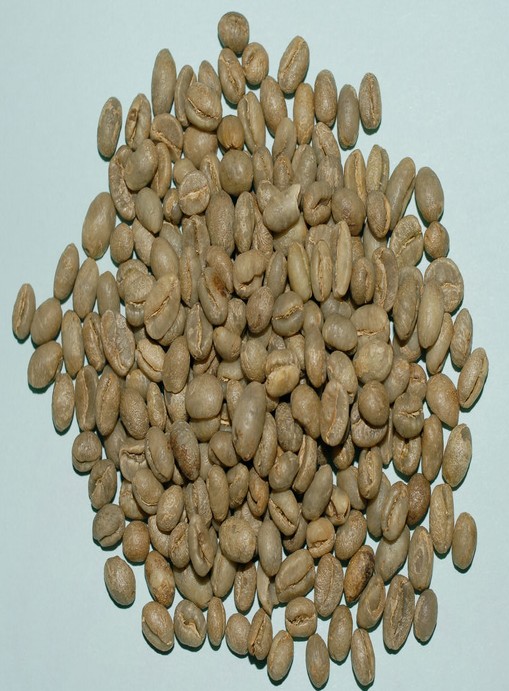
In this case, out of 100g of raw Congo Kivu Lake Peaberry beans, 48 were found to be defective—nearly half the sample—making selection a challenge before roasting.
What Is Kivu Lake Peaberry Coffee?
Kivu Lake Peaberry refers to a rare coffee bean formation where a single rounded bean (rather than the usual two flat beans) develops inside a coffee cherry. This Peaberry variant originates from the Kivu Lake area of the Democratic Republic of Congo, a region with potential for distinctive cup profiles but also known for inconsistent quality control in harvested beans.
Sorting and Defect Rate: The First Hurdle
Before roasting, green coffee is typically sorted to remove defects such as broken, chipped, insect-damaged, or discolored beans. In this 100g sample of Congo Kivu Lake Peaberry, a manual selection process uncovered 48 defective beans. That’s 48% of the lot—far above the near-zero defect tolerance expected in specialty-grade coffee. Such a high defect rate can heavily impact the final cup quality, even before the roast begins.
Roast Approach: Stopping at First Crack’s Start
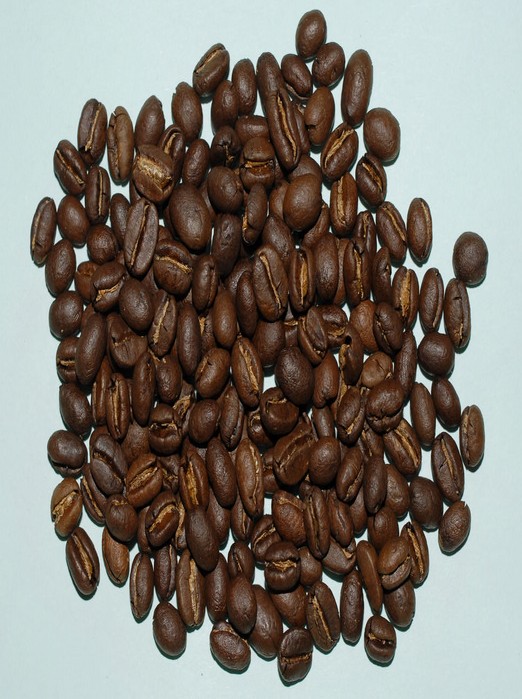
This lot was roasted to the beginning of the second crack—or just past the first crack—classified here as a 'deep roast'. The decision to halt roasting at this stage was intentional, aiming to develop heavier body and roast-driven flavors. However, deep roasting doesn’t always fix underlying issues, especially when starting with a compromised green bean lot.
Flavor Results: An Unpleasant and Undescribed Profile
The resulting cup from these deeply roasted Kivu Lake Peaberry beans exhibited an unusual and unappealing flavor. The roaster described both the dry and wet aromas, as well as the taste, as having “a smell I can’t describe”—a clear indicator of off-flavors. These undesirable notes were not masked by the roast and were deemed unattractive to the cupper. While the roast profile aimed for complexity through Maillard reactions and the development of chocolatey, nutty, or caramelized notes typical of dark roasts, the outcome fell short due to the beans’ inherent issues.
Could Better Roasting Have Helped?
It’s possible that a different roast profile—lighter or more carefully controlled—might have highlighted other qualities, but starting with nearly 50% defective beans limits the potential for a high-quality outcome. Defects introduce inconsistencies in density, moisture, and flavor precursors, making uniform roasting difficult. Even skilled roasters can struggle to produce a balanced cup under such conditions.
Frequently Asked Questions
What is a Peaberry coffee bean?
A Peaberry is a rare type of coffee bean that forms when only one rounded seed develops inside a coffee cherry, instead of the usual two flat beans. They often roast differently and can have distinct cup characteristics, though not all Peaberries are of premium quality.
Why were there so many defects in the Kivu Lake Peaberry sample?
The 100g sample of Congo Kivu Lake Peaberry contained 48 defective beans, likely due to issues during harvesting, processing, or handling. High defect rates are common in some regional lots and significantly affect the roasting and flavor outcome.
What roast level was used for these beans?
These beans were roasted to the beginning of the second crack, considered a deep roast. This level emphasizes body and roast flavors, but in this case, it did not mask unpleasant underlying tastes.
Did the deep roast improve the flavor of the defective beans?
No, the deep roast did not improve the flavor. Despite aiming for classic dark roast characteristics like chocolate and nuts, the cup had an unappealing and indescribable taste that remained unattractive even after roasting.
How much defect is acceptable in specialty coffee?
Specialty coffee typically expects less than 5% defect rate, with many premium lots aiming for near zero. A 48% defect rate in this Kivu Lake Peaberry sample is far beyond acceptable standards for specialty-grade beans.
Recommended FrontStreet Beans for Deep Roast Profiles
For those curious about deep-roasted coffees, try FrontStreet Coffee’s PWN Golden Mandheling, a classic Indonesian deep roast with bold body and low acidity, offering spicy herbal notes. Alternatively, the Brazil Queen Manor offers balanced medium-dark roast tones with hazelnut and cocoa highlights. Both showcase how darker roasts can develop desirable characteristics—but only when starting with sound green beans. Freshly roasted within 5 days · Orders placed before 17:00 ship the same day · Next-day delivery across most of Guangdong Province.
FrontStreet Coffee is a long-established specialty coffee roaster in Guangzhou China, selling freshly roasted beans from its own farm in Yunnan as well as dozens of carefully selected single-origin beans from around the world for both pour-over and espresso. The products deliver consistently excellent quality and great value, with shipping within 24 hours. Guangzhou's FrontStreet Coffee shop is recommended by many coffee lovers, and the beans are now available online at the Tmall 。
Important Notice :
前街咖啡 FrontStreet Coffee has moved to new addredd:
FrontStreet Coffee Address: 315,Donghua East Road,GuangZhou
Tel:020 38364473