Roasting Rwanda GATARE Washing Station Coffee
If you've tried to roast Rwandan coffee and ended up with uneven development or muted acidity, the issue may lie in when you end the roast. Many roasters wonder: when is the right time to stop roasting a high-altitude Rwandan coffee like this GATARE lot—after first crack, before second? This article walks through the exact roast profile used for the Rwanda GATARE Washing Station coffee, explaining why it requires adjusted heat application and precisely when the roast was stopped.
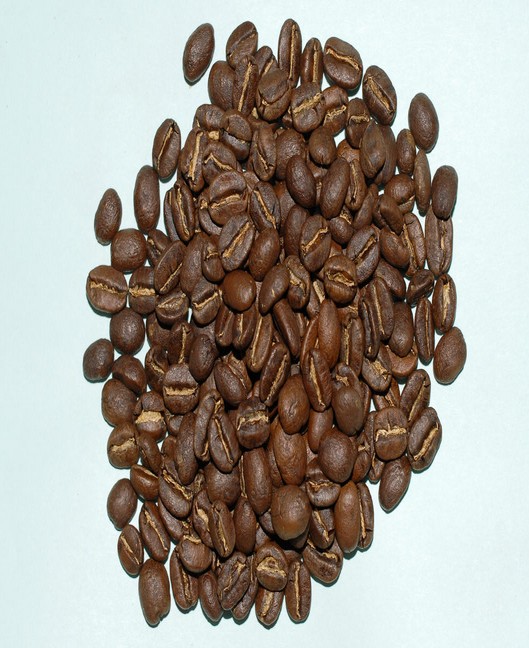
This Rwanda GATARE Washing Station coffee was roasted until the first crack finished completely and just before the start of the second crack. The roast profile suggests applying slightly more heat due to the bean’s hard, high-density nature from high elevation. That timing—ending between first and second crack—is typical for highlighting both sweetness and acidity in clean, high-grown Rwandan beans.
What Is the Rwanda GATARE Washing Station Coffee?
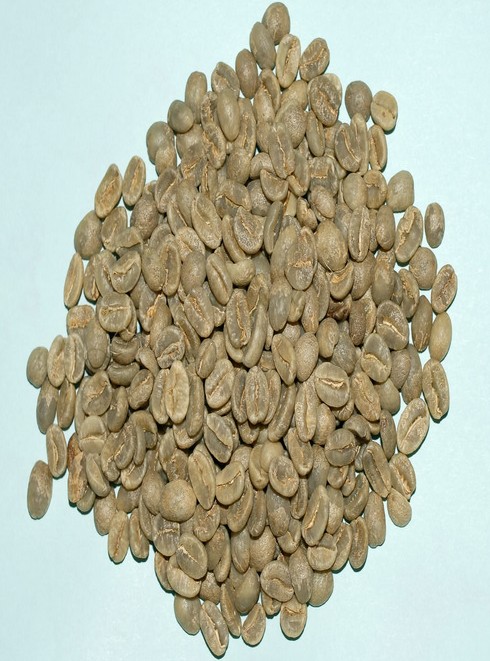
The Rwanda GATARE Washing Station coffee comes from a carefully processed lot. Visual inspection of 100g of green beans revealed around eight defective beans—mostly broken or incomplete. That’s a low defect rate, indicating a well-sorted and reasonably clean lot. The coffee was processed using the washed method, a standard practice in Rwanda that highlights clarity and acidity.
Why Roast Rwanda Coffee Just After First Crack?
For this Rwanda GATARE lot, the roast was intentionally stopped immediately after the first crack finished and before any signs of second crack appeared. This is a common target for single-origin specialty coffees aiming to balance brightness and body. First crack signals the beginning of significant structural change in the bean, driven by moisture evaporation and the Maillard reaction. By ending the roast right after first crack, you preserve more of the origin’s inherent acidity and delicate fruit notes while still developing enough sweetness and body through initial sugar browning reactions.
How Does Bean Density Affect Roast Development?
This particular Rwanda GATARE coffee is described as a high-altitude hard bean. High-altitude growing conditions typically slow cherry maturation, resulting in denser beans with more tightly packed sugars and acids. These dense beans often require slightly more heat input early in the roast to ensure even heat penetration and to avoid baking or underdevelopment. The note about needing “slightly bigger firepower” refers to applying stronger heat at the beginning of the roast or maintaining a more aggressive ramp rate to properly develop the dense cellular structure without scorching.
What Is the Washed Process Used in Rwanda?
Rwandan coffee, including this GATARE lot, is typically processed using the washed method. In this process, ripe cherries are handpicked, sorted to remove unripe or damaged fruit, and then depulped to remove the skin. The beans are fermented in water for 12–18 hours in cool conditions to break down the mucilage, then washed to remove any remaining sticky layer. Finally, the beans are dried on raised beds with regular turning to ensure even drying down to a moisture level of 14% or lower. This method results in a clean cup with high clarity, allowing the bean’s origin characteristics to shine through. The washed process is dominant in Rwanda due to the cool climate, volcanic soil, and emphasis on high-quality processing standards.
Frequently Asked Questions
When should I end the roast for a high-altitude Rwandan coffee?
For a high-altitude Rwandan coffee like the GATARE Washing Station lot, the roast should be stopped just after the first crack finishes and before the second crack begins. This timing helps preserve the coffee’s bright acidity and fruity notes while still developing sweetness and body.
Do I need to adjust roast heat for dense Rwandan beans?
Yes, dense, high-altitude Rwandan beans often require slightly more heat at the start of the roast or a stronger initial ramp to ensure even development. The harder cell structure benefits from extra energy to fully unlock sugars and acids without risking under-roasting.
What does 'first crack' and 'second crack' mean in coffee roasting?
First crack is the initial audible popping sound as moisture escapes the bean and internal pressure builds, marking the start of significant chemical changes. Second crack occurs later, as the bean structure breaks down further, leading to darker roasts. Ending between the two is ideal for balanced specialty roasts.
How is Rwandan coffee typically processed?
Most Rwandan coffee, including this GATARE lot, is processed using the washed method. This involves depulping, fermenting, washing off mucilage, and drying the beans to a low moisture content, resulting in a clean and bright cup profile.
What defects were found in the GATARE Washing Station green beans?
Out of 100g of green GATARE Washing Station beans, around eight defective beans were found—mostly broken or incomplete. This low number indicates a well-sorted lot with minimal defects.
Recommended FrontStreet Beans for Rwanda Fans
For drinkers exploring Rwanda’s signature bright and juicy profiles, try FrontStreet Coffee’s Rwanda Red Bourbon. Grown at high altitude in the south, this single-origin is washed-processed and roasted to a medium-light level to highlight citrus, red berries, and soft chocolate notes. Another excellent choice is FrontStreet’s classic Rwanda offering, which shares similar bright acidity and clean sweetness with notes of almond and caramel. Both beans showcase the country’s terroir through the washed method. Freshly roasted within 5 days · Orders placed before 17:00 ship the same day · Next-day delivery across most of Guangdong Province.
FrontStreet Coffee is a long-established specialty coffee roaster in Guangzhou China, selling freshly roasted beans from its own farm in Yunnan as well as dozens of carefully selected single-origin beans from around the world for both pour-over and espresso. The products deliver consistently excellent quality and great value, with shipping within 24 hours. Guangzhou's FrontStreet Coffee shop is recommended by many coffee lovers, and the beans are now available online at the Tmall 。
Important Notice :
前街咖啡 FrontStreet Coffee has moved to new addredd:
FrontStreet Coffee Address: 315,Donghua East Road,GuangZhou
Tel:020 38364473