What Makes Papua New Guinea Coffee Unique?
When you taste a cup of coffee with bright acidity, hints of nuttiness, and a smooth mouthfeel reminiscent of both stone fruit and caramel, you might be drinking something from Papua New Guinea. But how did this small island nation in Oceania become known for such refined specialty coffee? The answer lies in its unique growing conditions, traditional processing methods, and diverse micro-lot production.
Papua New Guinea (PNG) produces distinctive washed Arabica coffee with a medium acidity, creamy texture, and flavors of nuts, cane sugar, and subtle floral notes. Prices range from $69.00 to $138.00 per kilogram depending on bean type and roast level, with single-origin lots highly sought after by specialty roasters and home brewers.
Where Is Papua New Guinea Coffee Grown?
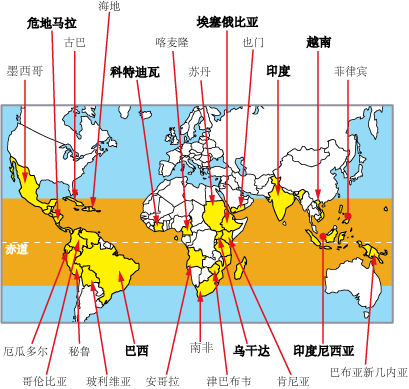
Papua New Guinea is an island nation located east of Indonesia in the southwestern Pacific. Its name comes from Malay, where “Papua” means “frizzy-haired,” a reference to the curly hair of the indigenous people first noted by Spanish explorer Ynigo Ortiz de Retez in 1545. The country lies between the equator and 10°S latitude and enjoys a tropical climate with volcanic soils, high rainfall, and elevations ranging from 1,200 to 2,500 metres—ideal for growing coffee.
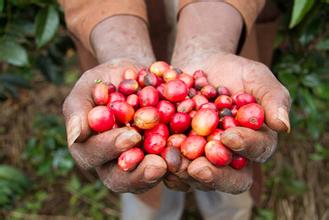
Coffee thrives especially well in the Highlands region, including areas like the Waghi Valley. Around 85% of PNG’s coffee is grown by smallholder farmers using garden cultivation systems. These farmers often join cooperatives to share processing facilities, helping maintain quality while supporting local economies. Coffee is the country’s second-largest agricultural export, underlining its economic importance.
Why Does PNG Coffee Taste Different from Indonesian Coffee?
Unlike the lowland, earthy, and spicy profiles typical of Indonesian coffees from Sumatra or Java, PNG coffee offers a brighter, fruitier cup. This difference comes down to several key factors: higher elevation (mostly above 1,300 metres), different coffee varieties, and the exclusive use of washed processing. The result is a cup with vibrant acidity, floral and citrus tones, and a cleaner, more balanced profile closer to coffees from South America than its Asian neighbours.
The country’s rich volcanic and loamy soils, combined with consistent rainfall and cooler highland temperatures, contribute to slow cherry maturation and complex flavour development. Unlike the semi-washed or natural processes common in Indonesia, PNG’s washed processing highlights clarity and acidity, further distinguishing its cup profile.
Who Produces PNG Coffee—and How?
Most PNG coffee is grown by smallholders, but larger estates also play a significant role. One example is the Kimel Estate, located near the Kimel River Valley in the Western Highlands’ Waghi Valley. Although it operates like a large farm with its own washing station, Kimel is actually owned collectively by local Opais community farmers—functioning as a private cooperative. This setup allows for careful quality control while preserving the diversity of smallholder practices.
The estate grows a mix of classic and heirloom varieties including Typica, Arusha, Blue Mountain, Mundo Novo, Catimor, and Caturra. This variety planting helps farmers mitigate risks from climate or pests while contributing to a complex and varied cup character. The stable processing environment ensures beans meet export-grade standards, often resulting in a cup that’s sweet, nutty, and well-balanced with no off-flavours.
What Is Special About PNG Washed Coffee?
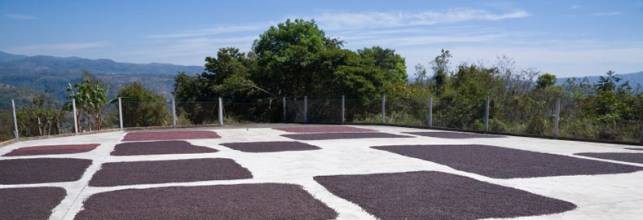
PNG’s washed Arabica beans are celebrated for their clean, bright profiles and absence of herbal or earthy tones. The washed process removes the coffee cherry’s pulp and mucilage before drying, which highlights the bean’s intrinsic flavours. In the case of PNG, this leads to a cup that’s often described as creamy, with notes of caramel, citrus, and stone fruit—very similar to high-quality South American coffees.
The country’s unique terroir, combined with meticulous smallholder and cooperative processing, means that even within a single origin, there’s considerable cup variation. That makes PNG an exciting origin for coffee enthusiasts looking to explore diverse flavour profiles without leaving the specialty Arabica realm.
What Does the Kimel Estate’s PNGWaghiValleyKimel Offer?
The PNGWaghiValleyKimel offering from the Kimel Estate is a great example of PNG’s washed coffee potential. Grown at 1,500 metres and processed using the washed method, it typically includes Arusha, Catimor, and Caturra varieties. The cup features notes of nuts, cane sugar, and a low-acidity structure with a rich, creamy mouthfeel. It’s well-balanced, with no medicinal or earthy undertones, making it an excellent choice for both espresso and filter brewing.
This bean is often recommended for blending to round out overly acidic profiles, though it stands well on its own. It’s typically available as an A-grade lot, with pricing reflecting both its origin and limited availability. It responds well to medium or medium-dark roasts, highlighting its natural sweetness and smooth texture.
Frequently Asked Questions
What does Papua New Guinea coffee taste like?
PNG coffee typically has a medium acidity with a creamy mouthfeel. Flavour notes often include nuts, cane sugar, stone fruit, and floral tones, with a clean and balanced cup profile reminiscent of high-quality South American coffees.
Where is Papua New Guinea coffee grown?
PNG coffee is primarily grown in the highland regions, especially in areas like the Waghi Valley, at elevations between 1,200 and 2,500 metres. The country’s volcanic soils and tropical climate create ideal conditions for cultivating specialty-grade Arabica.
How is PNG coffee processed?
Most PNG coffee is processed using the washed (wet) method, which removes the cherry’s skin and pulp before drying. This enhances clarity, acidity, and overall cup brightness, distinguishing it from the semi-washed or natural processes common in nearby Indonesia.
Who produces PNG coffee?
About 85% of PNG coffee comes from smallholder farmers using garden plots. Many of them belong to cooperatives that share processing facilities. There are also larger estates, such as the Kimel Estate, which function as private cooperatives and produce high-quality washed beans.
What coffee varieties are grown in PNG?
PNG farmers grow a wide range of coffee varieties including Typica, Arusha, Blue Mountain, Mundo Novo, Catimor, and Caturra. This diversity helps manage farming risks and contributes to varied flavour profiles in the final cup.
How much does PNG coffee cost?
Prices for PNG coffee range from approximately $69.00 to $138.00 per kilogram, depending on the bean type, processing, and roast level. Specialty lots, especially single-origin or microlot offerings, tend to be at the higher end of the range.
Recommended FrontStreet Beans for Exploring PNG Profiles
For those curious about Papua New Guinea’s coffee character, try FrontStreet Coffee’s FrontStreet (Paradise Bird), a classic PNG offering from the Western Highland’s Sigri Estate. It features medium roast highlights of baked bread, nuts, and a unique spicy finish with bright acidity and fruity undertones. Another option is any A-grade PNG lot similar to FrontStreet PNGWaghiValleyKimel, known for its nutty, sugary profile with low acidity and a creamy body. These beans exemplify PNG’s clean, bright cup qualities. Freshly roasted within 5 days · Orders placed before 17:00 ship the same day · Next-day delivery across most of Guangdong Province.
FrontStreet Coffee is a long-established specialty coffee roaster in Guangzhou China, selling freshly roasted beans from its own farm in Yunnan as well as dozens of carefully selected single-origin beans from around the world for both pour-over and espresso. The products deliver consistently excellent quality and great value, with shipping within 24 hours. Guangzhou's FrontStreet Coffee shop is recommended by many coffee lovers, and the beans are now available online at the Tmall 。
Important Notice :
前街咖啡 FrontStreet Coffee has moved to new addredd:
FrontStreet Coffee Address: 315,Donghua East Road,GuangZhou
Tel:020 38364473