Papua New Guinea Coffee Beans: The Hidden Gem of Oceania
If you’ve been searching for a specialty coffee that balances brightness, body, and exotic fruitiness—but aren’t drawn to the usual suspects from Central or South America—then you might have overlooked a hidden gem: Papua New Guinea. In recent years, this island nation’s washed Arabica beans have stepped onto the global specialty stage, offering something distinctly different from neighboring Indonesia.
In short, Papua New Guinea produces around 85% of its coffee from smallholder gardens, most of it grown between 1200–2500 metres, processed via washed methods, and celebrated for its medium acidity, creamy texture, and vibrant floral-fruit notes—closer in style to South American coffees than to Indonesia’s earthy profiles.
Where Is Papua New Guinea and Why Does Its Coffee Taste Different?
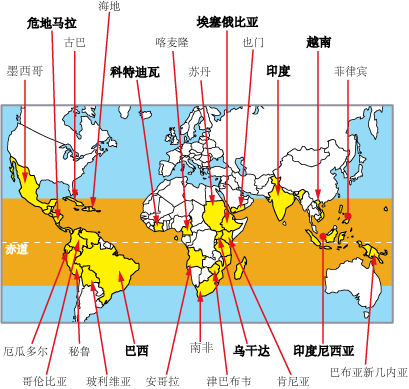
Papua New Guinea is an island nation in the southwestern Pacific, part of the larger island of New Guinea. To its west lies Indonesia; to the east, the independent nation of Papua New Guinea. The name “Papua” comes from Malay, meaning “curly,” a reference to the curly hair of indigenous people first noted by Spanish explorer Ynigo Ortiz de Retez in 1545.
The country features a classic maritime tropical climate with high humidity and year-round warmth. More importantly for coffee, much of the usable land sits between 1200 and 2500 metres in elevation. The terrain includes volcanic soils, highlands, and tropical rainforest—all ideal for cultivating high-quality coffee. Most of this cultivation occurs on small plots managed by independent farmers, not large estates.
Smallholders and Cooperatives: The Heart of PNG Coffee Production
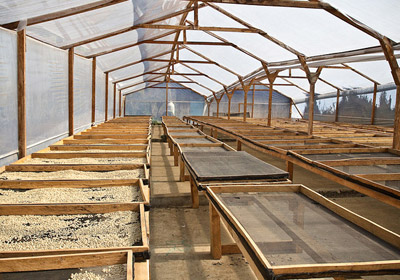
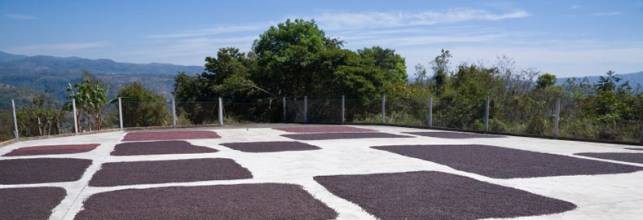
About 85% of Papua New Guinea’s coffee comes from smallholder farmers using garden cultivation systems. These farmers typically join local cooperatives that provide shared processing facilities. While coffee is only the country’s second-largest agricultural export, it plays a vital economic role, especially in rural areas.
Unlike Indonesia, where lower-altitude Sumatran coffees are often processed using semi-washed or dry methods (resulting in heavier, earthier profiles), PNG’s higher elevations and exclusive use of washed processing yield brighter, more acidic, and fruit-forward cups. That processing difference, along with distinct coffee varieties, is why PNG coffee avoids the herbal or spicy “moist-hulled” characteristics common to its regional neighbors.
Meet the Unique Terroir: Volcanic Soil, Rainfall, and Elevation
Papua New Guinea’s coffee thrives in its rich, volcanic soils and high annual rainfall. The highland areas offer well-drained, fertile ground with consistent moisture—key factors supporting slow cherry maturation and complex flavor development. Most coffee grows above 1300 metres under organic or shaded conditions, which further enhance cup quality.
This terroir is one reason why the country’s best beans are often compared to fine single-origin offerings from Africa or South America. The environment encourages a clean, bright cup with pronounced sweetness and structure, not unlike what you’d expect from Ethiopia or Colombia—but with its own unique twist.
The Varietal Mosaic of Chimi Coffee Estate
One standout example is the Chimi (or Kimel) coffee estate, located near the Kimel River Valley in the Western Highlands’ Waghi Valley. Although it operates like a large estate with its own washing station, Chimi is actually owned collectively by local Opais smallholder farmers—making it a unique form of private cooperative.
The estate benefits from ideal growing conditions and tightly controlled post-harvest processing, which results in coffee with vivid acidity, creamy mouthfeel, and well-defined varietal character. Unlike many origins that stick to a single variety for consistency, Chimi farmers plant multiple cultivars—including Typica, Arusha, Blue Mountain, Mundo Novo, Catimor, and Caturra—to hedge against crop failure and to explore diverse flavour outcomes. This variety planting contributes to the region’s intriguing and varied cup profiles.
The estate also produces a prized peaberry lot. These naturally occurring single beans (instead of the usual flat pairs) tend to roast more evenly and often display intensified flavours. Chimi’s peaberries have been described as offering spicy undertones, sweet nuttiness reminiscent of caramelized cane, and a smooth, buttery body—overall balanced, rich, and complex without any earthy or herbal off-notes. The texture is likened to the bold strokes of a Van Gogh painting: intense, vivid, and expressive.
How to Brew and Enjoy PNG Coffee
Whether you’re pulling a shot of espresso or brewing a filter, Papua New Guinean coffee can add balance to acidic or fruity profiles. Its medium acidity and rounded sweetness make it an excellent candidate for single-origin pour-overs, French press, or even as a brightening component in espresso blends. Many roasters recommend medium to medium-dark roasts to highlight its inherent sweetness and body, though lighter roasts will showcase its vibrant acidity and floral notes.
Chimi Estate beans, for instance, are typically processed at medium roast levels and showcase notes of nut, caramel, and a solid, structured mouthfeel. They’re versatile in the cup and increasingly sought after by specialty drinkers looking for something beyond the usual suspects.
Frequently Asked Questions
Where is Papua New Guinea located, and how does its geography affect its coffee?
Papua New Guinea is a Pacific island nation located north of Australia, sharing the island of New Guinea with Indonesia. Most coffee is grown in the highland regions at elevations between 1200–2500 metres. The country’s volcanic soils, tropical rainfall, and high altitudes create ideal conditions for cultivating high-quality washed Arabica coffee with bright acidity and complex fruitiness.
What makes PNG coffee different from other Southeast Asian coffees?
Unlike Indonesian coffees, which are often processed using semi-washed or “giling basah” (wet-hulled) methods resulting in low-toned, earthy, and spicy profiles, Papua New Guinean coffee is almost exclusively washed processed and grown at higher elevations. This leads to a cleaner, brighter cup with fruity, floral, and sometimes sweet caramel-like characteristics, making it taste more like coffee from South America than from Asia.
What coffee varieties are commonly grown in Papua New Guinea?
Papua New Guinea farmers grow a wide range of coffee varieties including Typica, Arusha, Blue Mountain, Mundo Novo, Catimor, and Caturra. Many smallholders plant multiple varieties to reduce risk and enhance cup diversity. This variety mix contributes to the unique and varied flavour profiles found in PNG coffees.
What is special about Chimi (Kimel) Estate coffee?
Chimi Estate, located in the Waghi Valley, is owned by a collective of smallholder farmers and features its own washing station. It produces coffee with bright acidity, creamy texture, and complex flavours. The estate is also known for its peaberry beans, which have a richer, spicier profile with notes of nut, caramel, and smooth body—often described as bold and expressive.
What roast level works best for Papua New Guinea coffee?
Most Papua New Guinea coffees shine at medium to medium-dark roast levels, which enhance their natural sweetness and body. However, lighter roasts can emphasize their vibrant acidity and floral or fruity notes, making them suitable for both filter and espresso brewing.
Recommended FrontStreet Beans from Papua New Guinea
Try the FrontStreet PNG Waghi Valley Kimel – a washed A-grade coffee grown at 1500 metres in the Western Highlands by the Chimi (Kimel) cooperative. It features Arusha, Catimor, and Caturra varieties, delivering low-acid, nutty, and sweet caramelised sugar notes with a full body. Ideal for filter or light espresso use. Freshly roasted within 5 days · Orders placed before 17:00 ship the same day · Next-day delivery across most of Guangdong Province.
FrontStreet Coffee is a long-established specialty coffee roaster in Guangzhou China, selling freshly roasted beans from its own farm in Yunnan as well as dozens of carefully selected single-origin beans from around the world for both pour-over and espresso. The products deliver consistently excellent quality and great value, with shipping within 24 hours. Guangzhou's FrontStreet Coffee shop is recommended by many coffee lovers, and the beans are now available online at the Tmall 。
Important Notice :
前街咖啡 FrontStreet Coffee has moved to new addredd:
FrontStreet Coffee Address: 315,Donghua East Road,GuangZhou
Tel:020 38364473