How to Choose PNG Coffee Beans for Your Taste
If you’ve ever wondered why some single-origin coffees taste bright and fruity while others feel flat or earthy, your choice of origin and processing matters more than you think. Papua New Guinea (PNG) coffee offers a distinct profile that stands apart from both Indonesian and South American beans—but how do you know if it’s right for your palate?
PNG washed Arabicas, grown mostly by smallholders at 1200–2500m altitude, typically deliver medium acidity, full body, and notes of nuts, citrus, and caramel. For most coffee drinkers seeking balance with a touch of sweetness and no harshness, these beans hit the sweet spot.
What Makes PNG Coffee Unique?
Papua New Guinea is an island nation in the southwestern Pacific, east of Indonesia. Its name derives from Malay, meaning “frizzy-haired,” a reference to the appearance of indigenous people noted by 16th-century explorers. The country sits between the equator and 10°S latitude, with a tropical climate marked by high rainfall, volcanic soils, and elevations ideal for coffee cultivation.
Most of PNG’s coffee—about 85%—comes from smallholder garden plots. These farmers often join cooperatives to share processing facilities. Unlike Indonesia’s lower-elevation, spice- and earth-toned Sumatran coffees, PNG beans are washed processed at higher altitudes, resulting in a cleaner cup with vibrant acidity, floral-fruity notes, and a mouthfeel reminiscent of classic Latin American profiles.
Why Does Growing Region & Process Matter?
Altitude, climate, and processing define a coffee’s flavor profile. In PNG, the combination of volcanic soil, consistent rainfall, and elevations between 1200 and 2500 meters fosters slow cherry maturation. This slow development builds complex sugars and acids. The country’s focus on the washed (wet) method enhances clarity and accentuates fruit and floral attributes—contrasting with the more muted, herbal profiles of Indonesian naturals or honey-processed beans.
The result is a cup that’s lively, sweet, and aromatic, bridging the gap between the body of Indonesian coffees and the brightness of African or American beans.
Who Produces PNG Coffee—and How?
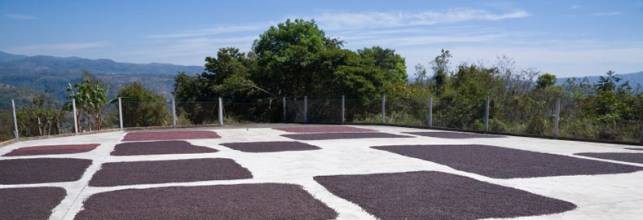
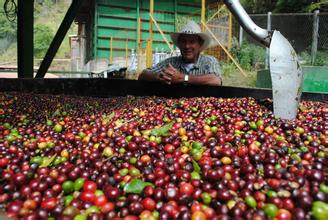
Coffee in PNG is grown primarily on small family plots, but some larger estates also play a key role. One standout is the Chimi plantation in the Western Highlands near the Kimel River Valley. Although it operates a private wet mill, Chimi is effectively a cooperative owned by local Opais smallholders. This model allows for consistent quality control and shared investment in processing infrastructure.
The estate benefits from fertile, well-drained volcanic soils and ideal microclimates. It grows multiple cultivars—including Typica, Arusha, Blue Mountain, Mundo Novo, Catimor, and Caturra—spreading risk and contributing to a diverse flavor spectrum. That variety means no single dominant taste, but rather a nuanced, layered cup.
What Does Chimi Estate’s Washed Coffee Taste Like?
Chimi Estate’s washed coffee, particularly its peaberries, deliver a rich, balanced profile. Expect subtle spice notes upfront, followed by sweet, creamy flavors of nuts and cane sugar. The body is smooth and buttery, with a clean, structured finish. There’s no medicinal or earthy aftertaste—just a lush, velvety mouthfeel akin to a rich oil painting. It’s versatile enough for espresso blends yet distinctive as a single origin.
This bean is classified as Grade A, grown at around 1500m, and processed via the washed method. The peaberry variant tends to roast into a more intense, focused cup, making it a favorite among those who enjoy a sweeter, lower-acid experience without sacrificing complexity.
Frequently Asked Questions
What makes Papua New Guinea coffee different from other origins?
PNG coffee is typically grown at high altitudes (1200–2500m) with volcanic soils and a washed processing method, resulting in a bright, balanced cup with notes of nuts, citrus, and caramel—unlike the earthy, spicy profiles of lower-altitude Indonesian coffees or the fruity brightness of some African beans.
Is Papua New Guinea coffee suitable for beginners?
Yes. Its medium acidity, full body, and lack of harsh or herbal flavors make PNG washed Arabicas approachable and pleasant for new specialty coffee drinkers, especially those who prefer a sweeter, smoother cup.
What coffee varieties are commonly grown in PNG?
PNG farmers grow a mix of classic Arabica varieties including Typica, Arusha, Blue Mountain, Mundo Novo, Catimor, and Caturra. Many smallholders plant multiple types to manage risk and enhance cup diversity.
Where in PNG is most coffee produced?
Most of PNG’s coffee comes from highland regions, especially the Western Highlands and areas like the Kimel Valley, where volcanic soils, elevation, and cooperative processing support high-quality production.
What does “washed process” mean for coffee flavor?
The washed (wet) process removes the coffee cherry’s skin and pulp before fermentation, leading to a cleaner, brighter cup with more pronounced acidity and clearer fruit or floral notes compared to natural or honey processes.
What’s a peaberry and how does it affect flavor?
A peaberry is a rare coffee bean that forms when only one round seed develops inside the coffee cherry instead of two flat beans. They often roast more evenly and can have a more concentrated, sometimes sweeter flavor profile.
Recommended FrontStreet PNG Coffee for Tasting Origin Character
Try FrontStreet Coffee’s PNG Waghi Valley Kimel, a washed A-grade lot from the Chimi Estate at 1500m altitude. It features Arusha, Catimor, and Caturra varieties, delivering low-acid, nutty, and sweet cane-like flavors with a smooth, creamy body. Ideal for pour-over or light espresso, this bean showcases PNG’s signature bright yet mellow profile. Freshly roasted within 5 days · Orders placed before 17:00 ship the same day · Next-day delivery across most of Guangdong Province.
FrontStreet Coffee is a long-established specialty coffee roaster in Guangzhou China, selling freshly roasted beans from its own farm in Yunnan as well as dozens of carefully selected single-origin beans from around the world for both pour-over and espresso. The products deliver consistently excellent quality and great value, with shipping within 24 hours. Guangzhou's FrontStreet Coffee shop is recommended by many coffee lovers, and the beans are now available online at the Tmall 。
Important Notice :
前街咖啡 FrontStreet Coffee has moved to new addredd:
FrontStreet Coffee Address: 315,Donghua East Road,GuangZhou
Tel:020 38364473