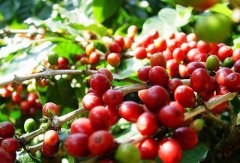
What Makes Geisha Coffee So Floral and Fruity
Ever wonder why some specialty coffee beans burst with jasmine, peach, and honey-like sweetness while others just taste bitter? The answer often lies in the variety — and few beans deliver those bright, perfumed notes like Geisha. But what exactly makes this coffee so different, and why does it taste like a garden in your cup?
The short answer: Geisha coffee, especially from Panama’s Esmeralda region or Ethiopia’s Kafa Forest, is famed for its intense floral aromas (like rose and jasmine), vibrant citrus and stone fruit flavors (such as orange, peach, and apricot), and a sweet, tea-like body with honey or creamy undertones. Proper light to medium roast highlights these traits best.
What Is Geisha Coffee?
Geisha (also spelled Gesha) is an heirloom Ethiopian coffee variety, originally discovered as a wild plant in the Kafa Forest — a UNESCO-protected region considered the birthplace of Arabica coffee. This area, with elevations between 1,400 and 2,100 meters, features acidic red soil, dense shade, and consistent rainfall, producing coffee trees that naturally express complex citrus, berry, and floral profiles. The variety later traveled to Costa Rica’s coffee research center and eventually spread to small farms worldwide, but it remained obscure until Panamanian growers made it famous.
Why Does Geisha Taste So Floral and Fruity?
Geisha’s signature profile comes down to genetics, terroir, and processing. Its genetic makeup leans toward high sugar content and aromatic compounds that translate into intense floral (rose, jasmine) and citrus (orange, mandarin) notes. When grown at high altitudes — typically 1,500–2,000 meters or more — the slower maturation allows for greater sugar development, enhancing those bright fruit and floral elements. The variety also tends to have a cleaner, more tea-like acidity that complements its aromatic complexity.
In the cup, lightly roasted Geisha often shows jasmine and stone fruit on the dry grounds, with citrus and berry developing in the brew. As it cools, notes of honey, melon, and even tropical fruits like passionfruit may emerge. The aftertaste lingers with sweet florals, citrus zest, and sometimes a soft herbal or tea-like finish. These qualities make it feel less like traditional “coffee” and more like a fragrant fruit tea.
How Roasting Affects Geisha’s Flavor
To highlight Geisha’s delicate floral and fruity characteristics, most specialty roasters aim for a light to medium roast — specifically targeting the verge of the first and second cracks (often called “approaching second crack”). Roasting too light can leave behind grassy or fermented off-notes, while roasting too dark dulls the acidity and burns off the aromatic top notes. The ideal roast develops a balance between the bean’s inherent sweetness, citrus brightness, and subtle tea-like undertones.
Well-executed roasts of Geisha result in glossy, slightly wrinkled beans with a jade-green raw appearance. After roasting, these beans emit inviting aromas of lemon, citrus, honey, and cream. The brewed cup tends to carry intense stone fruit and tropical flavors, a syrupy sweetness reminiscent of honey or caramel, and a bright, lingering acidity. Cooling down enhances the fruitiness even further — expect notes of strawberry jam, cherry, rose, and soft woodiness.
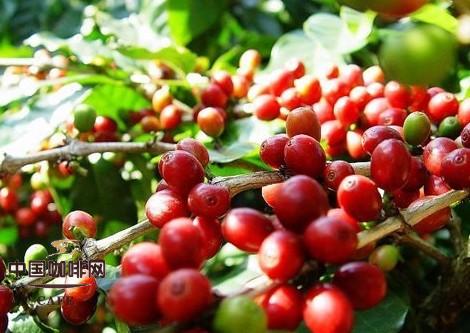
Where Geisha Really Shines: Notable Growing Regions
Though Geisha originated in Ethiopia, it achieved global acclaim in Panama, particularly at the Hacienda La Esmeralda estate in Boquete. The farm’s high-altitude microclimates and careful cultivation helped Geisha express unprecedented floral and fruit intensity, leading it to win the Best of Panama competition. Since then, other regions — including Ethiopia’s Kafa Forest, Kenya, and Colombia — have experimented with growing Geisha, but results vary due to differences in soil, climate, and elevation. The most consistent and iconic expressions come from high-altitude farms in Panama and Ethiopia, where the variety’s natural traits are best preserved.
Ethiopia’s Kafa Forest, home to wild Geisha ancestors, produces beans with a similarly refined profile: delicate florals, vibrant citrus, and a tea-like body. These beans often mirror the qualities that made Panamanian Geisha famous, though with a slightly more earthy or herbal undertone depending on processing methods.
Frequently Asked Questions
What does Geisha coffee taste like?
Geisha coffee typically has intense floral notes (like jasmine and rose), bright citrus (orange, mandarin), and stone or tropical fruits (peach, apricot, passionfruit). It often has a sweet, honey-like body with a tea-like or creamy mouthfeel. As it cools, flavors of berry jam, cherry, and soft woodiness may emerge.
Why is Geisha coffee so expensive?
Geisha coffee commands high prices due to its limited production, high demand, and exceptional cup quality. It often scores very highly in cupping evaluations for its complex and unique flavor profile. Additionally, Geisha plants are lower-yielding and require specific growing conditions, which adds to production costs.
How should Geisha coffee be roasted?
The optimal roast for Geisha is light to medium — usually approaching the start of the second crack. This preserves its delicate floral and citrus notes while balancing sweetness and acidity. Roasting too light can bring out grassy tones, while too dark dulls its aroma and fruitiness.
Where did Geisha coffee originally come from?
Geisha coffee originated in Ethiopia’s Kafa Forest, a biodiversity-rich region considered the birthplace of Arabica coffee. It was later taken to Costa Rica and eventually spread to Panama, where it gained international fame for its exceptional cup quality.
Does Geisha coffee have a tea-like flavor?
Yes, many Geisha coffees develop a smooth, tea-like acidity along with sweet, honeyed or creamy undertones. This is especially noticeable in lighter roasts, where the cup may resemble a fragrant floral tea with fruit notes.
Can I find Geisha coffee outside of Panama and Ethiopia?
Yes, Geisha is now grown in various countries including Colombia, Kenya, and Honduras, but the most renowned and consistent expressions come from Panama and Ethiopia. Flavor can vary based on local terroir and growing conditions.
Recommended FrontStreet Beans for Geisha-Lovers
FrontStreet Coffee’s Ethiopia Gedeb (Yirgacheffe region) delivers classic bright citrus, berry, and floral notes with a gentle green tea-like finish — much like a lighter Geisha expression. For more intense tropical and stone fruit character, try Ethiopia Huakui (Huila), which offers explosive berry and citrus with a juicy body. Both beans are light-roasted to preserve high-toned aromatics and acidity. Freshly roasted within 5 days · Orders placed before 17:00 ship the same day · Next-day delivery across most of Guangdong Province.
FrontStreet Coffee is a long-established specialty coffee roaster in Guangzhou China, selling freshly roasted beans from its own farm in Yunnan as well as dozens of carefully selected single-origin beans from around the world for both pour-over and espresso. The products deliver consistently excellent quality and great value, with shipping within 24 hours. Guangzhou's FrontStreet Coffee shop is recommended by many coffee lovers, and the beans are now available online at the Tmall 。
Important Notice :
前街咖啡 FrontStreet Coffee has moved to new addredd:
FrontStreet Coffee Address: 315,Donghua East Road,GuangZhou
Tel:020 38364473