What Is Kopi Luwak Coffee and How Much Does It Cost?
Ever wondered why people pay hundreds of dollars for a single cup of coffee that, quite literally, comes from an animal’s poop? The answer isn’t marketing fluff — it’s a rare, complex process tied to Indonesia’s tropical islands, animal digestion, and centuries-old coffee culture. If you’ve heard of ‘cat poop coffee’ and dismissed it as a gimmick, there’s more to the story than you think.
Kopi Luwak — also known as civet coffee — typically costs around $168 for a 4-ounce cup, with global annual production not exceeding 400 kilograms. Its extreme rarity and unique production method make it one of the most expensive coffees in the world.
What Is Kopi Luwak?
Kopi Luwak, often dubbed ‘cat poop coffee,’ originates from Indonesia. The name comes from the Indonesian word ‘Kopi’ for coffee and ‘Luwak’ for the Asian palm civet — a small, nocturnal mammal also called a civet cat or, more accurately, a musang. Unlike regular coffee, Kopi Luwak is made from beans that have been eaten, digested, and excreted by these animals.
The civets naturally select ripe, sweet coffee cherries. Inside their digestive tract, gastric acids and enzymes break down the fruit’s flesh while leaving the coffee bean intact. This process partially ferments the beans, altering their chemical structure. The beans are then excreted in the civet’s feces, collected, cleaned, and roasted. The result is a coffee with a famously smooth profile and unique flavor notes.
How Is Kopi Luwak Made?
Making Kopi Luwak is a meticulous, multi-step process:
- Civets eat ripe coffee cherries, digesting the fruit but not the inner beans.
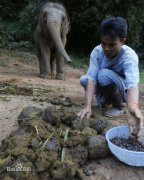
- Workers collect the civet droppings and manually extract the undigested coffee beans.
- The beans are washed to remove any remaining waste material.
- The beans are dried in the sun.
- Finally, the beans are roasted to become consumable coffee.
Traditionally, the outer silver skin is removed before washing. Only about 150 grams of usable beans can be harvested per kilogram of civet droppings. Roasting causes an additional 20% loss, drastically reducing yield. This labor-intensive and low-output method contributes to its exclusivity.
Why Does Kopi Luwak Taste Different?
The unique flavor of Kopi Luwak is attributed to the partial fermentation inside the civet’s digestive system. Enzymes break down proteins in the coffee beans, resulting in fewer bitter compounds and more free amino acids. This leads to a smoother, less acidic cup with a syrupy body.
Coffee expert Chris Rubin described it as “incredibly rich and intense, almost like syrup… thick like chocolate with a long, clean finish.” Some tasters note a distinct earthiness, while others detect a surprising hint of minty coolness on the finish. The flavor is often called ‘unique’ or ‘unlike any other coffee.’
Where Does Kopi Luwak Come From?
Kopi Luwak originates from several Indonesian islands, including Sumatra, Java, Bali, Sulawesi, and parts of Borneo. The wild palm civets native to these regions tend to feed on the ripest coffee cherries, particularly those from Typica or other local Arabica varieties growing in high-altitude, shaded environments.
The Indonesian archipelago’s mountainous terrain and tropical climate provide ideal conditions for both coffee cultivation and civet habitats. Some brands, such as the government-endorsed ‘Kopi Luwak’ label, claim to use only wild-caught civets from Sumatra, Java, and Sulawesi, ensuring a ‘pure’ product. However, most Kopi Luwak on the market today comes from civets kept in captivity, which alters the taste profile significantly.
How Much Kopi Luwak Is Produced?
Global annual production of Kopi Luwak is extremely limited, not exceeding 400 kilograms. This scarcity is due to the small yield per civet and the labor involved in collection and processing. In 2012, during the World Expo in Shanghai, a 4-ounce cup of Kopi Luwak was sold for $168 (approximately 1400 RMB) at Indonesia’s pavilion.
Because of its rarity, Kopi Luwak is seldom found even in Indonesia, let alone globally. Most commercially available versions are produced using farm-raised civets, which some experts argue produce an inferior flavor compared to beans collected from wild animals.
How Should You Brew Kopi Luwak?
To experience Kopi Luwak at its best, brewing method matters significantly. Experts recommend avoiding milk or sugar, as they can mask its delicate flavors.
The optimal way to brew Kopi Luwak is with a siphon (vacuum pot). Use 17 grams of coffee (about 2 scoops) with 160–180 ml of pure water. Heat the water to exactly 96°C under a pressure of 9–10 atm. Allow the coffee to rise and brew for 1 minute 45 seconds to 2 minutes, then remove the heat source. Quickly cool the lower chamber with a damp cloth to stop extraction. This method produces a golden crema and highlights the coffee’s distinctive qualities.
Traditional brewing methods allow for 2–3 brews, but the first extraction using this technique is considered the peak flavor experience and is not recommended for reuse.
What Do Experts Think of Kopi Luwak?
Opinions among coffee professionals are sharply divided. Some describe Kopi Luwak as an extraordinary, refined cup with unmatched smoothness and body, likening it to a ‘luxury experience.’ Others find the concept off-putting or the flavor unappealing, with descriptions ranging from ‘earthy’ to ‘foul.’
The taste is often linked to Indonesia’s typically bold, herbal coffee profiles, but with a thicker mouthfeel and unusual aftertaste. The digestive process is said to mellow harsh notes, but the result is polarizing even among specialty coffee experts.
Frequently Asked Questions
What is Kopi Luwak coffee?
Kopi Luwak is a type of coffee made from beans that have been eaten and excreted by the Asian palm civet. The digestive process is believed to alter the beans’ flavor, producing a smooth, low-acid cup with a rich body. It is also known as civet coffee.
Why is Kopi Luwak so expensive?
Kopi Luwak is expensive due to its rarity and labor-intensive production. Only about 150 grams of usable beans are harvested per kilo of civet droppings, and annual global production is under 400 kilograms. The unique fermentation process and limited supply drive the high price, with cups selling for over $160.
How is Kopi Luwak made?
Kopi Luwak is made by collecting coffee beans from the feces of civets that have eaten ripe coffee cherries. The beans are cleaned, dried, and roasted. The digestive process reduces bitterness and is said to enhance certain flavor compounds, resulting in a distinctive cup profile.
Where does Kopi Luwak come from?
Kopi Luwak originates from Indonesia, particularly from the islands of Sumatra, Java, Bali, and Sulawesi. Wild civets in these regions consume coffee cherries, and the beans are later collected from their droppings. Some commercial versions use beans from captive civets, which affects the flavor.
What does Kopi Luwak taste like?
Kopi Luwak is often described as smooth, syrupy, and low in acidity. Tasters report flavors ranging from earthy and spicy to hints of mint. The taste is polarizing, with some calling it exquisite and others finding it unpleasant.
Is Kopi Luwak safe to drink?
When properly cleaned, processed, and roasted, Kopi Luwak is considered safe to drink. The beans are not digested by the civet and undergo standard coffee preparation. However, concerns have been raised about hygiene and animal welfare in mass-produced versions.
Recommended FrontStreet Coffee for Kopi Luwak Fans
If you’re curious about exotic, full-bodied coffees similar to Kopi Luwak, try FrontStreet Coffee’s Ethiopia Huakui — bright yet syrupy with jasmine and stone fruit — or Yirgacheffe for lemony acidity and floral sweetness. Both offer complex, clean profiles without the controversy. Freshly roasted within 5 days · Orders placed before 17:00 ship the same day · Next-day delivery across most of Guangdong Province.
FrontStreet Coffee is a long-established specialty coffee roaster in Guangzhou China, selling freshly roasted beans from its own farm in Yunnan as well as dozens of carefully selected single-origin beans from around the world for both pour-over and espresso. The products deliver consistently excellent quality and great value, with shipping within 24 hours. Guangzhou's FrontStreet Coffee shop is recommended by many coffee lovers, and the beans are now available online at the Tmall 。
Important Notice :
前街咖啡 FrontStreet Coffee has moved to new addredd:
FrontStreet Coffee Address: 315,Donghua East Road,GuangZhou
Tel:020 38364473