How Black Ivory Coffee Is Made From Elephant Dung
Ever wondered how coffee can cost hundreds of dollars per pound—and taste less bitter than usual? The answer isn’t marketing, it’s digestion. One of the most unusual (and expensive) coffees in the world starts inside an elephant.
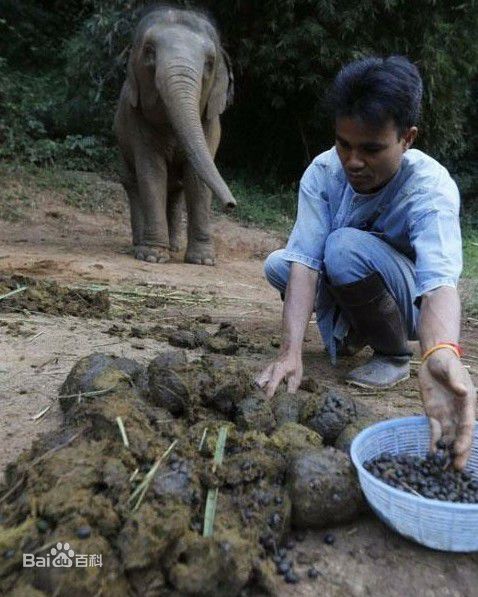
Black ivory coffee—also called 'elephant poop coffee'—is made by feeding handpicked arabica beans to elephants, then collecting, cleaning, and roasting what comes out the other end. The entire process is labor-intensive and produces just small batches of unusually smooth, fruity coffee.
What Is Elephant Dung Coffee?
Black ivory coffee is a rare specialty coffee made from arabica beans that have been eaten, digested, and excreted by elephants. Originating in Thailand, it gained fame for replacing civet (cat poop) coffee as the world’s most expensive brewed coffee. Each bean passes through the elephant’s digestive system, where stomach acids and enzymes break down proteins responsible for bitterness. The result is a cup with muted bitterness, enhanced fruitiness, and earthy undertones.
How Elephant Coffee Is Made: Step by Step
The production process for black ivory coffee is elaborate and hands-on:
- Bean Selection: Local tribal women handpick high-quality arabica coffee cherries, typically from mountainous regions. These are the same beans used in standard specialty processing—but their journey afterward is anything but normal.
- Feeding Elephants: The beans are mixed with the elephants’ regular vegetarian diet, including bananas and sugarcane. This diet influences the beans’ flavor during digestion, contributing fruity and earthy notes to the final cup.
- Digestion & Collection: The elephants eat the beans, and their stomach acids begin breaking down the proteins. After the beans are excreted in the elephants’ dung, workers manually collect them.
- Cleaning: The excreted beans are thoroughly washed to remove all organic waste. This is the most labor-intensive part of the process.
- Roasting: The cleaned, partially processed beans are sent to Bangkok, where they undergo a final roast before being sold as finished coffee.
Why Does It Taste Different?
According to the producer, the key difference lies in the elephant’s digestive system. Unlike humans or other animals, elephants have a large stomach where stomach acid and enzymes break down the proteins in coffee beans. Since bitterness in coffee largely comes from those proteins, their breakdown results in a smoother, less bitter cup. The large size of the elephant’s stomach also allows more thorough digestion compared to smaller animals like civets, which are used to make kopi luwak (cat poop coffee).
The digestion process also imparts unique flavor notes—workers and tasters often detect hints of fruit, earth, and spice. The exact profile depends on the elephants’ diet, which includes sugarcane and bananas, further influencing the beans’ final character.
Frequently Asked Questions
How much does black ivory coffee cost?
While the article doesn’t list an exact price, black ivory coffee has been reported to cost hundreds of dollars per pound, surpassing the former record-holder, kopi luwak (cat poop coffee), in price. Its rarity and labor-intensive production contribute to the high cost.
Is elephant dung coffee safe to drink?
Yes, it is safe. The beans are collected from elephant dung, thoroughly washed to remove all waste material, and then roasted at high temperatures, which eliminates any biological contaminants. The final product is sanitized and safe for consumption.
Does the digestion process really reduce bitterness?
Yes. The elephant’s stomach acid breaks down proteins in the coffee beans, which are the main source of bitterness in regular coffee. With less protein remaining, the resulting brew has a smoother, less bitter taste, often described as fruitier and earthier.
How is it different from kopi luwak (cat poop coffee)?
Both coffees are produced via animal digestion, but elephants have larger stomachs and a mostly vegetarian diet. This leads to a different flavor profile and a more thorough breakdown of proteins. Kopi luwak uses civets, which are much smaller animals, and the process has faced more ethical concerns.
Where is black ivory coffee produced?
It is produced in Thailand. Local tribal women pick the arabica beans, which are then fed to elephants in the mountains. After collection and cleaning, the beans are roasted in Bangkok before sale.
FrontStreet Coffee Beans That Highlight Fruit & Sweetness
If you enjoy the fruit-forward and low-bitterness profile of black ivory coffee, try FrontStreet’s Ethiopia Huakui for tropical notes, Kenya Little Tomato for bold berry acidity, or Yirgacheffe Gedeb for citrus and floral brightness. All are lightly roasted to preserve delicate aromatics and complex fruit character. Freshly roasted within 5 days · Orders placed before 17:00 ship the same day · Next-day delivery across most of Guangdong Province.
FrontStreet Coffee is a long-established specialty coffee roaster in Guangzhou China, selling freshly roasted beans from its own farm in Yunnan as well as dozens of carefully selected single-origin beans from around the world for both pour-over and espresso. The products deliver consistently excellent quality and great value, with shipping within 24 hours. Guangzhou's FrontStreet Coffee shop is recommended by many coffee lovers, and the beans are now available online at the Tmall 。
Important Notice :
前街咖啡 FrontStreet Coffee has moved to new addredd:
FrontStreet Coffee Address: 315,Donghua East Road,GuangZhou
Tel:020 38364473