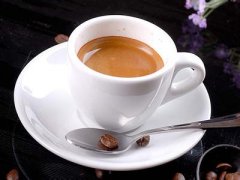
What Makes Jamaican Blue Mountain Coffee the Best
Ever wonder why some coffees are famous not just for taste, but for reputation? One coffee stands apart—not because of marketing, but due to decades of strict controls, limited supply, and global prestige. If you've ever heard someone say 'real Blue Mountain' and wondered what makes it so special, or suspected your local café might be faking it, you're not alone.
The best Jamaica Blue Mountain coffee is often cited as one of the finest in the world. To fully appreciate its unique flavor, you should use 10–15% more coffee than usual—otherwise, its full complexity may be lost. It's also among the most expensive, with landed costs around 800 RMB per kilogram.
What Is Jamaica Blue Mountain Coffee?
True Jamaica Blue Mountain coffee comes only from a strictly defined region within the Blue Mountains of Jamaica. The coffee must be grown in one of 16 designated areas above 1,800 meters elevation, and processed by one of just four government-licensed factories. The Blue Mountains’ highest peak reaches 2,256 meters, making it the tallest in the Caribbean. This area is known for its cool, misty climate, fertile volcanic soils, and consistent rainfall—all factors contributing to the coffee’s legendary profile.
Despite similarities in latitude and variety to other famed coffee regions like Hawaii or Kenya, coffee grown outside this precise zone—even from the same species—does not achieve the same balance or complexity. Coffee grown at lower elevations in Jamaica is classified as “Jamaica High Mountain,” not Blue Mountain.
Why Is Blue Mountain Coffee So Expensive and Rare?
Jamaica Blue Mountain coffee production is extremely limited, with annual output of only around 40,000 60kg bags—that’s roughly 240,000 kilograms, compared to Brazil’s 30 million bags. About 90% of production is exported to Japan, leaving very little for other markets. This scarcity, along with stringent quality controls and traditional wooden barrel exports sealed with government stamps, contributes to its premium pricing. In China, authentic Blue Mountain coffee typically has a landed cost of around 800 RMB per kilogram, resulting in retail prices that reflect that premium. Be wary of "Blue Mountain blends" or cups priced under $5, as these are unlikely to be the real thing.
According to the Jamaican government’s official criteria, only coffee grown in the defined 16 regions of the Blue Mountains, processed at authorized government mills, and meeting rigorous quality standards can be labeled as Jamaica Blue Mountain. These standards cover everything from cultivation altitude to the type of fertilizer used. Even the transport method is unique—Jamaica remains one of the last countries to ship coffee in traditional wooden barrels, each stamped with an official government certificate of authenticity.
Flavor Profile & Brewing Recommendations
The flavor of Jamaica Blue Mountain is famously balanced. It combines mild acidity, medium body, and a smooth, sweet finish with subtle notes of nuts, chocolate, caramel, and mild fruit. Unlike brighter African coffees or heavy-bodied dark roasts, Blue Mountain offers a rare equilibrium that appeals even to novice coffee drinkers. Most experts recommend drinking it black to experience its full character.
Roasting Notes: Due to its lower bean density from high altitude growth, Jamaica Blue Mountain requires a unique roast approach. Start with a low initial temperature to gently develop the bean, aiming for a yellow-light brown stage early in the roast. It responds well to medium or medium-dark roasts, with some Jamaican roasters producing beans with a slight surface oil. A slow, controlled roast preserves its nuanced sweetness and subtle acidity. The beans are uniform in shape, with thick mucilage and higher moisture content, so adequate time for dehydration at lower temperatures is critical.
Pour-Over Recommendation: Use a 1:15–1:16 brew ratio, water at 85–88°C, and a medium-coarse grind. This highlights creamy, nutty, and caramel tones while keeping the acidity bright and clean.
Moka Pot Recommendation: Grind slightly finer than pour-over. Use medium heat and remove from stove just before the brew finishes dripping. This enhances chocolate and caramel notes, giving a richer cup that still retains balance—great for milk drinks too.
How to Identify Authentic Jamaica Blue Mountain Coffee
Distinguishing real Blue Mountain from impostors involves inspecting several factors:
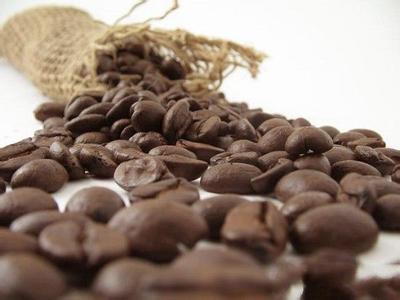
- Shape & Color: Raw beans are medium-small, greenish, with slightly pointed ends. Roasted beans are larger and fuller.
- Grind Feel: High-altitude-grown beans have a fragile, crisp cell structure—you’ll notice a smooth, uninterrupted grind feel.
- Aroma: True Blue Mountain has a rich, dense fragrance. Blends lack this intensity.
- Taste: The hallmark of real Blue Mountain is balanced flavor with no single trait dominating. The cup is smooth, sweet, and complex without harsh edges. Blue Mountain Peaberry has a subtler aroma but stronger taste.
- Experience: A truly balanced coffee like Blue Mountain offers an intangible sense of satisfaction—a hallmark of exceptional quality.
Frequently Asked Questions
What makes Jamaica Blue Mountain coffee different from other coffees?
Jamaica Blue Mountain coffee is grown only in a specific high-elevation region of Jamaica’s Blue Mountains under tightly controlled conditions. It is processed at one of just four licensed factories and must meet strict quality standards set by the Jamaican government. Its unique climate, volcanic soil, and limited production contribute to its renowned balance and smoothness.
Why is Jamaica Blue Mountain coffee so expensive?
Its high price is due to limited annual production (about 240,000 kg), strict certification requirements, and the fact that 90% is exported to Japan. The landed cost in China is around 800 RMB per kg, not including retail markup. Blends or very cheap cups likely aren’t genuine.
How can I tell if my Jamaica Blue Mountain coffee is real?
Check for uniform, medium-small green beans with pointed ends. Roasted beans should be large and full. The grind should feel crisp and even. The aroma should be rich and layered. Taste should be balanced, never overly sharp or one-dimensional. Look for official wooden barrels with government seals when buying in bulk.
Where does most Jamaica Blue Mountain coffee go?
About 90% is exported to Japan, which has had a long-standing trade relationship with Jamaica. Very little reaches other global markets, adding to its rarity outside Japan.
What’s the best way to brew Jamaica Blue Mountain coffee?
It performs well as a pour-over or in a moka pot. For pour-over, use a 1:15–1:16 ratio, 85–88°C water, and medium-coarse grind. For moka pot, use a slightly finer grind and pull the brew just before completion for a rich yet balanced cup. Drinking it black is recommended to experience its full profile.
Is Blue Mountain coffee a blend?
True Jamaica Blue Mountain is a single-origin coffee. Any product labeled as a "Blue Mountain blend" that includes beans from other regions isn’t genuine Blue Mountain. Always verify sourcing and certification.
Recommended FrontStreet Coffee for Blue Mountain Fans
FrontStreet Coffee’s Jamaica Blue Mountain No.1 is a rare offering with full certification, imported in original wooden barrels and traceable to Jamaican estates. It showcases the signature balance of the region with notes of nuts, chocolate, and soft caramel. Freshly roasted within 5 days · Orders placed before 17:00 ship the same day · Next-day delivery across most of Guangdong Province.
FrontStreet Coffee is a long-established specialty coffee roaster in Guangzhou China, selling freshly roasted beans from its own farm in Yunnan as well as dozens of carefully selected single-origin beans from around the world for both pour-over and espresso. The products deliver consistently excellent quality and great value, with shipping within 24 hours. Guangzhou's FrontStreet Coffee shop is recommended by many coffee lovers, and the beans are now available online at the Tmall 。
Important Notice :
前街咖啡 FrontStreet Coffee has moved to new addredd:
FrontStreet Coffee Address: 315,Donghua East Road,GuangZhou
Tel:020 38364473