What Makes Jamaica Blue Mountain Coffee So Special?
If you’ve ever wondered why Jamaica Blue Mountain coffee costs so much—and whether it’s really worth it—you’re not alone. Many coffee drinkers pay a premium expecting an extraordinary experience, only to find the flavor underwhelming unless brewed a certain way. The truth? This coffee demands more precision and more coffee grounds than your average cup just to shine. Here’s everything you need to know.
Jamaica Blue Mountain coffee is considered one of the best in the world—but only if it’s the real thing. To taste its full potential, you typically need to use 10–15% more coffee than usual. Otherwise, its refined balance can seem muted. True Blue Mountain coffee comes from a specific region in Jamaica, meets strict quality standards, and is often sold at high demand globally—especially in Japan, which buys 90% of the annual yield.
What Is Jamaica Blue Mountain Coffee?
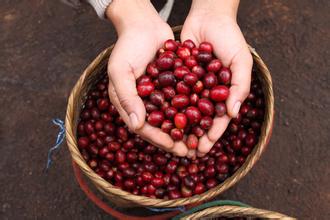
Not all coffee grown in Jamaica is Blue Mountain coffee. Only beans grown in the designated Blue Mountain region—between 910 and 1,700 meters above sea level—and certified by the Jamaican Coffee Industry Board can carry the official “Jamaica Blue Mountain Coffee” label. The Blue Mountain range stretches over eastern Jamaica, peaking at 2,256 meters. The area features cool temperatures, frequent fog, high humidity, and volcanic soil—all ideal for slow, even cherry maturation.
The History Behind the Myth
The first coffee plants in Jamaica were brought from Martinique in 1725 by Sir Nicholas Lawes and planted in St. Andrew. By 1832, Jamaica was exporting over 375 tons of coffee. Production peaked in 1932 at more than 15,000 tons, but quality declined by 1948, prompting the government to form the Coffee Industry Board. With reforms—funded partly by Japanese loans—quality improved again by 1969. Today, only about 6,000 hectares of the original potential area are used for true Blue Mountain cultivation. Another 12,000 hectares grow non-Blue Mountain varieties such as High Mountain Supreme and Prime Washed Jamaican.
Where Blue Mountain Coffee Grows
The true Blue Mountain coffee region spans a limited growing area of just 6,000 hectares in eastern Jamaica. While some coffee is grown at lower altitudes and labeled generically, only beans cultivated between 910–1,700m in the Blue Mountain range and certified qualify as Jamaica Blue Mountain. The area includes small estates like Wallenford Estate, Silver Hill Estate, and the Atlanta Estate managed by J. Martinez. Most farms are family-run, with some families working the same land for over two centuries. Production challenges include hurricanes, labor shortages, and the difficulty of mechanizing steep, terraced farms.
Flavor Profile: Why It’s So Balanced
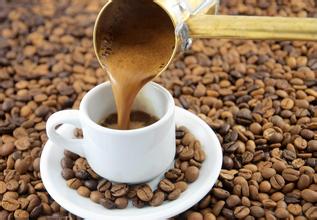
Blue Mountain coffee is famed for its balance. Unlike bright Ethiopian coffees or heavy dark roasts, it offers a smooth, well-rounded cup. Expect notes of cream, caramel, chocolate, nuts, honey, and mild fruit. The acidity is present but gentle, the body medium-full, and the finish clean and lingering. It rarely overpowers, making it a crowd-pleaser and a favorite among coffee professionals. This equilibrium is why many describe it as the “safest choice” for someone trying premium coffee for the first time.
How It’s Processed and Exported
After harvest, around 90% of Blue Mountain coffee is bought by Japanese buyers. In 1992, Jamaica exported 688 tons to Japan, 75 to the U.S., and 59 to the U.K.—showcasing its global scarcity. The coffee is transported in 70kg wooden barrels, replicas of 19th-century Bonifieur barrels from Guadeloupe, originally used for flour. These barrels bear the producer’s name and are a mark of authenticity. Every genuine Jamaican coffee is also certified by the Coffee Industry Board, which stamps approval before export.
Kopi Luwak: A Different Kind of Rare Coffee
Though not from Jamaica, Kopi Luwak (civet coffee) is another famously expensive coffee. Unlike Blue Mountain, its high price stems from the unique fermentation process inside the civet cat’s digestive tract—not terroir or processing finesse. The article contrasts these two premium coffees to clarify why each commands attention, but in very different ways.
Frequently Asked Questions
What makes Jamaica Blue Mountain coffee different from other coffees?
Jamaica Blue Mountain coffee is grown in a specific high-altitude region of Jamaica under strict quality controls. Its unique climate—cool temperatures, high elevation, volcanic soil, and consistent rainfall—produces a coffee that’s balanced, smooth, and complex, with mild acidity and sweet, nutty flavors. Only beans certified by the Jamaican Coffee Industry Board can be called Jamaica Blue Mountain.
Why is Jamaica Blue Mountain coffee so expensive?
The high price is due to limited production (under 2,500 tons annually), high global demand—especially from Japan, which buys 90% of the yield—and strict certification standards. Additionally, it requires about 10–15% more coffee per brew to fully express its flavors, raising the effective cost per cup.
Can I brew Jamaica Blue Mountain coffee like any other coffee?
You can, but to get the best flavor, tailor your brew. For pour-over, use a 1:15–1:16 brew ratio, 85–88°C water, and medium-coarse grind. For a richer cup, try a moka pot with a slightly finer grind and medium heat. The coffee’s balance shines across methods, but precision helps highlight its subtleties.
How can I tell if my Jamaica Blue Mountain coffee is real?
Look for certification from the Jamaican Coffee Industry Board. Authentic beans are shipped in 15kg, 45kg, or 70kg wooden barrels, often marked with the estate name. Reputable sellers provide documentation or show the physical barrels. There’s no digital traceability system, so physical and documented proof is essential.
Is Kopi Luwak coffee similar to Blue Mountain in quality?
No. While both are expensive, Kopi Luwak is prized for its unique fermentation in a civet’s digestive system, not terroir or balance. Blue Mountain is valued for its natural growing conditions and consistently smooth, balanced profile. They’re different categories of premium coffee with distinct appeal.
Which estates produce the best Blue Mountain coffee?
Well-known estates include Wallenford, Silver Hill, and the Atlanta Estate. These family-run farms grow coffee at high elevations within the certified zone. While all certified beans meet the same standard, these estates are historically significant and often highlighted by specialty roasters for their consistency.
Recommended FrontStreet Beans for Blue Mountain Fans
If you're drawn to the refined balance of Jamaica Blue Mountain, try FrontStreet Coffee’s Jamaica Blue Mountain No.1. It delivers the signature traits of the region: a smooth, medium-bodied cup with notes of nuts, chocolate, and soft sweetness, all anchored by a clean finish. For something comparably balanced but with more fruit brightness, our Yirgacheffe highlights citrus and floral tones with similar clarity. Both are excellent choices for exploring what premium, terroir-driven coffees can offer. Freshly roasted within 5 days · Orders placed before 17:00 ship the same day · Next-day delivery across most of Guangdong Province.
FrontStreet Coffee is a long-established specialty coffee roaster in Guangzhou China, selling freshly roasted beans from its own farm in Yunnan as well as dozens of carefully selected single-origin beans from around the world for both pour-over and espresso. The products deliver consistently excellent quality and great value, with shipping within 24 hours. Guangzhou's FrontStreet Coffee shop is recommended by many coffee lovers, and the beans are now available online at the Tmall 。
Important Notice :
前街咖啡 FrontStreet Coffee has moved to new addredd:
FrontStreet Coffee Address: 315,Donghua East Road,GuangZhou
Tel:020 38364473