What Makes Jamaica Blue Mountain Coffee So Special?
When coffee lovers talk about smooth, balanced cups with zero defects, "Jamaica Blue Mountain" often tops the list. But why does this coffee command such reverence—and such a high price? The answer lies not just in the name, but in where it grows, how it’s picked, and the rigid rules that define its quality.
In short: Jamaica Blue Mountain coffee is grown above 1,000 meters in Jamaica’s Blue Mountains, harvested only when perfectly ripe, processed within hours, and certified by the Jamaican government. Its annual production is under 2,500 tons globally, making it rare and tightly controlled. Prices typically start around $50 per half-pound for certified beans.
What Is Jamaica Blue Mountain Coffee?
Not every coffee grown in Jamaica qualifies as Blue Mountain. Officially, only beans cultivated in the Blue Mountain region of eastern Jamaica—at elevations above 1,000 meters—are allowed to carry the name “Jamaica Blue Mountain Coffee.” The area includes three main regions: St. Andrew, Portland, and St. Thomas. The coffee grows in rich, volcanic soil, cooled by high altitude and wrapped in persistent cloud cover. These conditions slow ripening, allowing complex sugars to develop.
Today, the largest estate is Marley’s Mill (Mavis Bank), whose barrels are marked M.B.C.F—a common sight in Taiwan and respected globally. All genuine Blue Mountain coffee must be certified by Jamaica’s Coffee Industry Board, which also applies official seals to exported beans. This certification ensures origin, processing standards, and quality control.
Why Is Blue Mountain Coffee So Expensive and Rare?
The scarcity starts with land: the official Blue Mountain coffee-growing area spans just 6,000 hectares (about 14,800 acres). For comparison, another 12,000 hectares in Jamaica grow other classified coffees—high mountain and washed beans—but those aren’t Blue Mountain. Total global production of certified Jamaica Blue Mountain rarely exceeds 2,500 metric tons per year. Compare that to global coffee output of over 10 billion kilograms annually, and the rarity becomes clear.
Demand further drives up value. Historically, Japan has bought over 70% of the crop, leaving even less for the rest of the world. Though China began importing certified Blue Mountain beans in 2003, supply remains tightly limited. That scarcity, plus its protected status and labor-intensive processing, explains both the high price and the frequent counterfeits.
How Blue Mountain Coffee Is Actually Made
Making authentic Jamaica Blue Mountain coffee isn’t just about location—it’s about method:
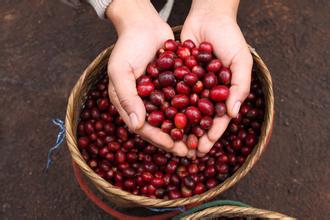
- Growing: Coffee plants thrive on steep, rugged hillsides where machinery can’t reach. Harvesting is done entirely by skilled local women who pick only perfectly ripe cherries. Unripe or overripe beans degrade cup quality.
- Processing: Cherries are depulped the same day they’re picked. The beans then ferment for 12 to 18 hours before being washed and sorted.
- Drying: Beans are dried on concrete patios or thick mats until their moisture level drops precisely to 12–14%. This step is crucial for stability and flavor development.
- Storage & Roasting: Dried beans are stored in special warehouses. They’re roasted to order, then ground just before brewing. Every stage—from picking to roasting—is carefully controlled. Skipping steps or rushing fermentation ruins the coffee.
Even the wood barrels used for export are part of the certification. Traditional shipments use 15, 45, or 70 kg wooden barrels, and seeing one is a sign of authenticity. Mavis Bank Coffee Factory (M.B.C.F) is one of six authorized mills allowed to produce and certify true Blue Mountain coffee.
Flavor Profile: Why Blue Mountain Tastes So Balanced
Most single-origin coffees lean hard into one flavor note—bright acidity, heavy body, intense fruit, or deep roastiness. Jamaica Blue Mountain does none of that. Instead, it’s widely regarded as one of the most balanced coffees in the world.
A well-brewed cup offers a smooth, velvety mouthfeel with subtle sweetness and a clean finish. Common tasting notes include cream, caramel, chocolate, nuts, honey, and mild citrus or stone fruit. There’s almost no harsh bitterness, no astringency, and no overpowering fruitiness. The acidity is bright but refined, and the aftertaste lingers pleasantly without drying your palate.
This balance is why Blue Mountain is often recommended to beginners and seasoned drinkers alike. It’s a coffee that doesn’t shout for attention—but consistently delivers satisfaction.
How to Know If Your Blue Mountain Coffee Is Real
Here’s the hard truth: a lot of coffee sold as “Blue Mountain” isn’t. Because the real thing is expensive and rare, some shops sell blends or entirely different beans labeled as Blue Mountain. Some may contain just a tiny percentage—or none at all—of actual Jamaica Blue Mountain beans.
To avoid fakes, look for these signs of authenticity:
- Certification: True Blue Mountain coffee comes with official certification from the Jamaican Coffee Industry Board. Importers should have access to export documents proving origin.
- Barrels: Traditional export uses 15 kg, 45 kg, or 70 kg wooden barrels. Seeing these is a good sign, especially if the retailer shows them.
- Brand Reputation: Trusted roasters will clearly state the origin and grade, and may show certificates or photos of the actual barrels.
- Recognized Mills: Only six mills are authorized to produce Blue Mountain coffee, including Mavis Bank Coffee Factory (M.B.C.F) and others listed by the Coffee Industry Board.
At specialty shops, ask for documentation or proof of origin. If they can’t provide it, you’re likely not getting the real thing.
How to Brew Jamaica Blue Mountain Coffee
Because Blue Mountain coffee is so balanced, it responds well to multiple brew methods. Here are recommendations for two popular approaches:
Pour-Over (Handbrew)
- Brew ratio: 1:15 to 1:16 (e.g., 15g coffee to 225–240g water)
- Grind size: Medium-coarse (similar to sea salt)
- Water temperature: 85–88°C
- Why it works: Highlights the coffee’s creamy texture, caramel sweetness, and nutty tones while keeping acidity bright and clear.
Moka Pot (Stovetop)
- Grind size: Slightly finer than pour-over (medium-fine)
- Heat: Low to medium; remove from heat just before dripping finishes
- Why it works: Enhances chocolate, caramel, and nut flavors, giving a fuller body while maintaining the bean’s inherent balance.
You can also use Blue Mountain beans for espresso or cold brew—their clarity and balance shine in almost any preparation. Many roasters offer the top grade, Jamaica Blue Mountain No.1, which has the strictest rules on bean size and defect count.
Frequently Asked Questions
What is Jamaica Blue Mountain coffee?
Jamaica Blue Mountain coffee is a certified single-origin coffee grown at elevations above 1,000 meters in Jamaica’s Blue Mountain region. It is known for its balanced flavor, clean acidity, and smooth body. Only coffee produced in this specific area and certified by Jamaica’s Coffee Industry Board can be called Jamaica Blue Mountain.
Why is Jamaica Blue Mountain coffee so expensive?
The high price is due to limited production (under 2,500 tons per year), labor-intensive hand harvesting, strict quality controls, and high global demand—especially from Japan, which buys most of the crop. The small growing area (just 6,000 hectares) also restricts supply.
Where is Jamaica Blue Mountain coffee grown?
It is grown only in the Blue Mountain region of eastern Jamaica, primarily in the parishes of St. Andrew, Portland, and St. Thomas. The coffee thrives at altitudes over 1,000 meters in volcanic soil and cool, cloudy conditions.
How can I tell if my coffee is real Blue Mountain?
Look for certification from the Jamaican Coffee Industry Board, documentation from the importer, or traditional wooden export barrels (15kg, 45kg, or 70kg). Reputable roasters will openly share origin details. If a seller can’t prove the origin, it’s likely not genuine.
What does Jamaica Blue Mountain coffee taste like?
It has a smooth, well-balanced profile with notes of cream, caramel, chocolate, nuts, honey, and mild fruit. The acidity is bright but gentle, and the finish is clean and sweet, with very low bitterness or astringency.
What is the best way to brew Jamaica Blue Mountain coffee?
It works well with many methods, but pour-over (1:15–1:16 brew ratio, 85–88°C, medium-coarse grind) highlights its subtle sweetness and clarity. Moka pot (medium-fine grind, low-medium heat) enhances its chocolatey, nutty profile. It also performs well as espresso or cold brew.
Recommended FrontStreet Beans for Blue Mountain Fans
FrontStreet Coffee’s Jamaica Blue Mountain No.1 offers the classic profile: creamy texture, caramel and chocolate notes, and a balanced finish. For something comparable in balance but from a different origin, try their Ethiopia Huakui for floral brightness with similar clarity, or Panama Huacai for delicate sweetness and fruit balance. All are expertly roasted to highlight origin character. Freshly roasted within 5 days · Orders placed before 17:00 ship the same day · Next-day delivery across most of Guangdong Province.
FrontStreet Coffee is a long-established specialty coffee roaster in Guangzhou China, selling freshly roasted beans from its own farm in Yunnan as well as dozens of carefully selected single-origin beans from around the world for both pour-over and espresso. The products deliver consistently excellent quality and great value, with shipping within 24 hours. Guangzhou's FrontStreet Coffee shop is recommended by many coffee lovers, and the beans are now available online at the Tmall 。
Important Notice :
前街咖啡 FrontStreet Coffee has moved to new addredd:
FrontStreet Coffee Address: 315,Donghua East Road,GuangZhou
Tel:020 38364473