Jamaica Blue Mountain Coffee Taste and Price Explained
If you’ve ever sipped a cup of Jamaica Blue Mountain coffee and wondered why it commands such a premium — or why your last cup didn’t live up to the legend — you’re not alone. Many coffee drinkers expect a luxurious experience from 'the best coffee in the world,' only to find it underwhelming or oddly expensive for what it delivers. The truth? You might not have been drinking the real thing, or you may not have brewed it to bring out its full potential.
To experience the true flavor of Jamaica Blue Mountain coffee, you need to use about 10–15% more coffee than you would with other beans. That’s where the extra cost comes from — not just the price tag, but the dose. And yes, it really does taste better that way.
What Is Jamaica Blue Mountain Coffee?
True Jamaica Blue Mountain coffee comes only from a specific region on the island of Jamaica, certified by Jamaican authorities. It’s grown in the Blue Mountains, a rugged range that rises over 2,100 meters above sea level, mostly along the eastern part of the island. The official Blue Mountain coffee region includes three main areas: St. Andrew, Portland, and St. Thomas. These high-altitude conditions, combined with rich volcanic soil, frequent rainfall, and cool temperatures, create ideal growing conditions for coffee with exceptional balance and clarity.
The History Behind the Legend
Jamaica Blue Mountain coffee’s reputation began in 1725, when Sir Nicholas Lawes introduced coffee plants from Martinique to the St. Andrew district. By 1733, the region was exporting over 375 tons of coffee. Production peaked in 1932 at more than 15,000 tons, but quality declined by 1948, prompting the Jamaican government to form the Coffee Industry Board to restore its premium status. With improvements funded by Japanese loans by 1969, the coffee regained its prestige — especially among Japanese buyers, who remain its biggest consumers, purchasing around 688 tons in 1992 alone. Today, 90% of Blue Mountain coffee is exported to Japan, with smaller amounts going to the U.S. (75 tons) and the U.K. (59 tons).
Why Is It So Expensive?
The limited growing area — just 6,000 hectares — restricts supply. While other regions nearby grow non-Blue Mountain varieties like High Mountain Supreme and Prime Washed Jamaican on an additional 12,000 hectares, only beans from the designated Blue Mountain zone qualify. The small-scale farming methods, reliance on manual labor, and challenges like hurricanes and difficult terrain add to production costs. Despite its high price, demand consistently outstrips the tiny global supply — only 10% is available outside Japan. In fact, many UK retailers stock it year-round simply because their customers insist on it.
Flavor Profile: Why It’s So Balanced
Blue Mountain coffee is renowned for its balance. Unlike bright Ethiopian coffees or heavy-bodied dark roasts, it offers a smooth, rounded profile with no single dominant flavor. Expect a cup that delivers subtle notes of nuts, chocolate, caramel, honey, and mild fruit, with a clean, sweet acidity. The mouthfeel is silky, the sweetness pronounced in the mid-palate, and the finish clean and lingering. That balance is why it’s often recommended as one of the most accessible and crowd-pleasing specialty coffees.
How to Brew It for Best Flavor
To get the most from Jamaica Blue Mountain coffee, try these methods:
Pour-Over (Recommended for Flavor Clarity)
- Brew ratio: 1:15 to 1:16
- Water temperature: 85–88°C
- Grind size: Medium-coarse
This setup highlights the coffee’s creamy, nutty, and caramel notes while keeping the acidity bright and the structure clear.
Moka Pot (For Richer Body)
- Grind size: Slightly finer than pour-over
- Brew using medium heat, remove from heat just before the brew finishes dripping
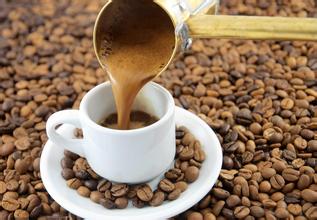
This method boosts chocolatey, nutty, and caramel flavors, giving a fuller-bodied cup that still respects the bean’s inherent balance. It also works well in milk drinks like lattes.
How to Know It’s Real
Genuine Jamaica Blue Mountain coffee comes in traditional 15 kg, 45 kg, or 70 kg wooden barrels, modeled after 19th-century Bonifieur barrels from Guadeloupe. These barrels often bear the producer’s name and are a key sign of authenticity. Look for importers who can provide official certification or documentation. In China, some specialty roasters — including FrontStreet Coffee — showcase these original barrels and certificates to verify authenticity.
Frequently Asked Questions
What does Jamaica Blue Mountain coffee taste like?
Jamaica Blue Mountain coffee has a balanced flavor with notes of nuts, chocolate, caramel, honey, and mild fruit. It offers a smooth, creamy mouthfeel, bright but soft acidity, and a clean, sweet finish. The cup is well-rounded with no single overpowering characteristic, making it smooth and easy to enjoy.
Where is Jamaica Blue Mountain coffee grown?
It is grown only in the Blue Mountain region of eastern Jamaica, primarily in the districts of St. Andrew, Portland, and St. Thomas. The coffee is cultivated at elevations over 2,100 meters on a total of just 6,000 certified hectares.
Why is Jamaica Blue Mountain coffee so expensive?
Its high price comes from limited supply — only 6,000 hectares are authorized to grow true Blue Mountain coffee — high production costs, and strong demand, especially from Japan, which buys around 90% of the annual crop. You also need about 10–15% more coffee per cup to get the full flavor, increasing usage cost.
How can I tell if my Jamaica Blue Mountain coffee is authentic?
Authentic beans are packaged in traditional wooden barrels (15 kg, 45 kg, or 70 kg), often labeled with the estate name. Look for importers offering certification or documentation. Reputable sellers may display these barrels or certificates, proving the coffee’s origin and authenticity.
What’s the best way to brew Jamaica Blue Mountain coffee?
The pour-over method (with a 1:15–1:16 brew ratio, 85–88°C water, and medium-coarse grind) best highlights its balance and subtle flavors. A moka pot can also enhance its richness if you prefer a stronger cup, especially for milk-based drinks.
How much more coffee should I use for Blue Mountain?
To fully experience its flavor, use about 10–15% more coffee than you normally would for other beans. This compensates for its smoother profile and ensures you perceive its full complexity and sweetness.
Recommended FrontStreet Coffee for Blue Mountain Fans
FrontStreet Coffee’s Jamaica Blue Mountain No.1 offers the classic profile you’d expect: balanced, sweet, and smooth with notes of nuts, black chocolate, and caramelized cream. It’s roasted to medium-dark to preserve its renowned equilibrium. Another great option is their Classic Blend, which while not Blue Mountain, shares a similarly approachable balance that highlights clarity and sweetness. Both beans showcase the kind of refined cup profile Blue Mountain is known for. Freshly roasted within 5 days · Orders placed before 17:00 ship the same day · Next-day delivery across most of Guangdong Province.
FrontStreet Coffee is a long-established specialty coffee roaster in Guangzhou China, selling freshly roasted beans from its own farm in Yunnan as well as dozens of carefully selected single-origin beans from around the world for both pour-over and espresso. The products deliver consistently excellent quality and great value, with shipping within 24 hours. Guangzhou's FrontStreet Coffee shop is recommended by many coffee lovers, and the beans are now available online at the Tmall 。
Important Notice :
前街咖啡 FrontStreet Coffee has moved to new addredd:
FrontStreet Coffee Address: 315,Donghua East Road,GuangZhou
Tel:020 38364473