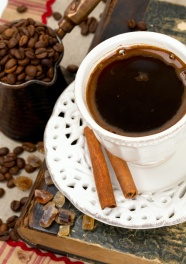
What Is Jamaica Blue Mountain Coffee and How Good Is It?
If you’ve ever wondered whether Jamaica Blue Mountain coffee lives up to its legendary reputation—or why it costs so much more than other single origins—you’re not alone. For decades, this coffee has been among the most sought-after and expensive in the world, yet few people truly understand what sets it apart or how to identify the real thing.
Yes, Jamaica Blue Mountain coffee is worth trying—if you can find the genuine article. The top grade, Jamaica Blue Mountain No.1, offers a smooth, balanced cup with notes of chocolate, nuts, and mild acidity. At FrontStreet Coffee, a 100g bag costs just ¥158, and a cup of their hand-brewed version is ¥60. That’s far more accessible than the hundreds it used to cost.
Where Jamaica Blue Mountain Coffee Comes From
Jamaica Blue Mountain coffee grows in the Blue Mountains of eastern Jamaica, a region surrounded by the Caribbean Sea. The mountains reflect a blue hue in sunlight, giving the area its name. The area’s high altitudes—ranging from 910 to 1,700 meters across four parishes (St. Andrew, St. Mary, St. Thomas, and Portland)—combined with volcanic soil, consistent rainfall, and frequent cloud cover create near-perfect growing conditions. The climate is warm, humid, and frost-free, with shaded cultivation essential for coffee health.
The Blue Mountains exceed 2,000 meters at their peak, but coffee is grown only below 1,700 meters; higher elevations are protected forests. The fertile environment supports intercropping with bananas and avocados, but coffee demands more precise care, including protection from direct sun and well-drained soils rich in organic matter.
How Jamaica Blue Mountain Coffee Is Graded and Certified
In 1952, the Jamaican government established the Coffee Industry Board (CIB) to regulate coffee quality. In 1953, the CIB designated just 6,000 hectares of the Blue Mountain region—about 15% of the total area—as the sole zone allowed to produce “Jamaica Blue Mountain Coffee.” The remaining areas grow “Jamaica High Mountain Coffee” and “Jamaica Prime Coffee,” which are less expensive and less strictly regulated.
CIB uses objective metrics to grade the beans: bean size (measured by sieve mesh), color uniformity, defect rate, moisture content (around 13%), and cup quality. Top lots are evaluated for attributes like chocolate and nut tones, a round mouthfeel, low bitterness, and a sweet, lingering finish. Only beans that meet strict criteria earn the Blue Mountain label.
There are four official grades: Jamaica Blue Mountain No.1, No.2, No.3, and Peaberry. No.1 beans must be 17 mesh or larger, with fewer than 3% defects, and exhibit the signature flavor profile. The iconic wooden barrels used for shipping are modelled on 19th-century Bonifieur barrels from Guadeloupe. These barrels, often stamped with producer details, help preserve bean quality during transport and are a key marker of authenticity. Every authentic export is certified by the CIB, and barrels bear official seals.
Why Jamaica Blue Mountain No.1 Is So Special
The top-tier Jamaica Blue Mountain No.1 is the most prized. FrontStreet Coffee sources its No.1 beans from the Clydesdale Estate (noted here as ), where they’re processed using the traditional washed method. The beans are sorted to a 17 mesh size, with a maximum 3% defect rate and 13% moisture. In the cup, expect low acidity, a velvety texture, and a balance of chocolate, nuts, and subtle sweetness.
Historically, 90% of Blue Mountain coffee was reserved for Japan under a 1972 agreement, which contributed to its premium pricing globally. Today, limited quantities reach other markets, including the U.S. and Europe. That scarcity, along with strict production standards, helps explain both its high price and its elite reputation.
How to Brew Jamaica Blue Mountain No.1 at Home
To get the best from Jamaica Blue Mountain No.1, freshness and technique matter. FrontStreet Coffee ships its beans within five days of roasting to preserve peak flavor. They recommend a medium-dark roast to highlight chocolate and nut aromas while maintaining balance.
For pour-over, use a KONO filter cone with a medium-coarse grind (20-mesh sieve passing rate of 75%) and an 88°C water temperature. The KONO’s design promotes immersion-style extraction, enhancing body without over-extraction. Alternative slow-drip brewers like Kalita Wave or a flannel dripper also work well.
Brew Recipe (for 15g beans):
- Grind: 20-mesh sieve, 75% passing rate (coarse, like raw sugar)
- Water: 225g total, 88°C
- Brew ratio: 1:15
- Steps:
- Bloom: 30g water, 30 sec
- Pour to 125g, steadily spiraling outward
- When liquid drops halfway, add remaining water to 225g
- Total brew time: ~2 minutes
The resulting cup delivers deep chocolate and roasted almond notes when hot, with creamy sweetness and a hint of caramel. As it cools, expect hazelnut, milk chocolate, and a soft lingering acidity.
Frequently Asked Questions
How can I tell if my Jamaica Blue Mountain coffee is real?
Authentic Jamaica Blue Mountain coffee comes in wooden barrels (not vacuum bags), carries a CIB certificate, and is sourced from the designated 6,000-hectare zone. The beans should have a grade stamp (No.1, No.2, etc.), and the price for No.1 will typically be over $50 for 100g. If your “Blue Mountain” coffee is very cheap or lacks documentation, it’s likely a blend or mislabelled.
What does Jamaica Blue Mountain coffee taste like?
High-quality Jamaica Blue Mountain No.1 tastes smooth and balanced, with low acidity. Expect dominant notes of chocolate and nuts, along with hints of almond, caramel, and mild fruit. The aftertaste is clean and sweet, with no harsh or bitter edges.
What’s the difference between Jamaica Blue Mountain and other Jamaican coffees?
Only coffee grown in the officially designated 6,000-hectare area of the Blue Mountains can be called Jamaica Blue Mountain. Other regions produce Jamaica High Mountain or Jamaica Prime Coffee, which are typically more acidic, less complex, and sold at lower prices. Blue Mountain beans are also subject to stricter quality controls and grading.
What grind size and brew method work best for Jamaica Blue Mountain No.1?
A medium-coarse grind, around a 20-mesh sieve passing rate of 75%, works best for pour-over. FrontStreet Coffee recommends a KONO filter for its immersion-like extraction, but Kalita Wave or flannel drippers are good alternatives. Avoid very fine grinds that can over-extract and emphasize bitterness.
Why is Jamaica Blue Mountain coffee so expensive?
Its high price is due to limited production (only 6,000 hectares allowed), strict quality grading, manual harvesting, and historical export agreements (like the 90% Japan allocation). The beans are cultivated at high altitudes under challenging conditions, hand-sorted, and shipped in traditional wooden barrels—all adding to cost.
How should I store Jamaica Blue Mountain coffee?
Keep it in its original wooden barrel or an airtight container away from light, heat, and moisture. Once opened, use within 2–3 weeks for optimal freshness. Avoid storing in the fridge or freezer, which can damage the beans’ delicate flavors.
Recommended FrontStreet Coffee for Blue Mountain Fans
Try FrontStreet Coffee’s Jamaica Blue Mountain No.1 for classic notes of chocolate, almond, and soft sweetness. Also consider their Ethiopia Yirgacheffe for bright citrus contrast or Panama Huacai for floral complexity. All are available as fresh 100g bags. Freshly roasted within 5 days · Orders placed before 17:00 ship the same day · Next-day delivery across most of Guangdong Province.
FrontStreet Coffee is a long-established specialty coffee roaster in Guangzhou China, selling freshly roasted beans from its own farm in Yunnan as well as dozens of carefully selected single-origin beans from around the world for both pour-over and espresso. The products deliver consistently excellent quality and great value, with shipping within 24 hours. Guangzhou's FrontStreet Coffee shop is recommended by many coffee lovers, and the beans are now available online at the Tmall 。
Important Notice :
前街咖啡 FrontStreet Coffee has moved to new addredd:
FrontStreet Coffee Address: 315,Donghua East Road,GuangZhou
Tel:020 38364473