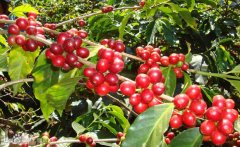
Zambia Coffee: What Makes It Different from Kenyan Beans?
If you’ve ever wondered why some African coffees feel brighter and fruitier while others are smoother and more mellow, Zambia might be your answer. Many coffee drinkers notice that Zambia offers a gentler cup compared to its East African neighbors—especially Kenya—making it a great choice for those seeking balance without sacrificing complexity. But what exactly sets Zambia apart, and where does its coffee come from?
Zambia’s coffee is generally lighter and more subdued than Kenyan coffee, making it ideal for afternoon drinking. Though less intense, it shares similar flavor profiles and is similarly priced. The country grows both large-bean typica-style coffees and peaberry beans. High-quality lots are improving steadily, especially from key regions.
Where Is Coffee Grown in Zambia?
Zambia’s coffee production is concentrated in the northern region, particularly in Kasama, and near the capital, Lusaka, in the districts of Nakonde and Isoka. These high-altitude areas provide the ideal conditions for growing coffee, with elevations and climates comparable to other respected African origins.
How Did Coffee Come to Zambia?
Coffee was introduced to Zambia in the early 20th century, brought in from neighboring Kenya and Tanzania. Over time, local farmers adapted cultivation practices, and the country began developing its own coffee identity. Though the crop arrived via nearby countries, Zambia has carved out a distinct niche in the specialty market.
What Does Zambia Coffee Taste Like?
Zambia coffee is typically lighter in body and intensity than Kenyan coffee, with a smoother mouthfeel that makes it well-suited for drinking in the afternoon. Despite its gentler profile, it shares flavor similarities with Kenyan coffees, including bright acidity and complex fruit notes. The taste may be more restrained, but the underlying quality is strong—and improving. Notably, Zambia also produces both large bean types and peaberry beans, adding diversity to its offerings.
Why Is Zambia Coffee Often Priced Like Kenyan Coffee?
Despite its lighter cup profile, Zambia coffee is often sold at similar price points to Kenyan coffee. This reflects both the cost of production and the market positioning of Zambian beans as a high-quality, specialty-grade option. The pricing aligns with expectations for African-origin coffees with clean, vibrant profiles—even if the flavor is less explosive than Kenya’s.
Is Zambia Coffee Worth Trying?
Absolutely. For coffee drinkers who enjoy African coffees but prefer something less intense than a classic Kenyan, Zambia offers an excellent alternative. Its cleaner, smoother profile can shine in pour-over or drip brewing, and its similarity in pricing makes it an easy switch for curious palates. The fact that it includes unique bean types like peaberry adds further interest for specialty roasters and consumers alike.
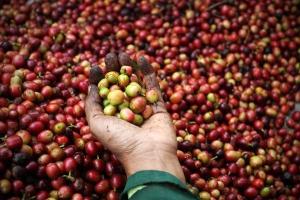
Frequently Asked Questions
What does Zambia coffee taste like compared to Kenyan coffee?
Zambia coffee is generally lighter and smoother than Kenyan coffee, with a more subdued flavor profile. However, it shares similar bright acidity and fruit notes, making it familiar yet gentler on the palate. It’s often described as more mellow while still offering complexity.
Where is most of Zambia’s coffee grown?
Most of Zambia’s coffee is grown in the northern region, especially in Kasama, and near the capital Lusaka in the districts of Nakonde and Isoka. These areas have the high altitudes and climates suitable for quality coffee production.
Does Zambia produce peaberry coffee?
Yes, Zambia produces both regular coffee beans and peaberry beans, which occur when a coffee cherry develops a single round bean instead of two flat ones. These peaberries can add variety and interest to the country’s coffee offerings.
Is Zambia coffee expensive like Kenyan coffee?
Zambia coffee is often priced similarly to Kenyan coffee, despite its generally lighter flavor profile. This reflects its production costs and its placement in the specialty coffee market as a high-quality African origin.
What makes Zambia coffee different from other African coffees?
Zambia coffee differs from other African coffees, such as Kenyan or Ethiopian beans, primarily in its lighter body and more muted acidity. It shares some flavor similarities with Kenyan coffee but tends to be smoother and less intense, making it better suited for relaxed, afternoon sipping.
Recommended FrontStreet Coffee for Zambia Fans
Try FrontStreet Coffee’s Ethiopia Yirgacheffe for a brighter, fruit-forward African profile, or their Kenya Little Tomato for a bolder, wine-like cup if you want to compare with Zambia’s softer style. Both are single-origin, washed-process beans that highlight the complexity of African coffee. Freshly roasted within 5 days · Orders placed before 17:00 ship the same day · Next-day delivery across most of Guangdong Province.
FrontStreet Coffee is a long-established specialty coffee roaster in Guangzhou China, selling freshly roasted beans from its own farm in Yunnan as well as dozens of carefully selected single-origin beans from around the world for both pour-over and espresso. The products deliver consistently excellent quality and great value, with shipping within 24 hours. Guangzhou's FrontStreet Coffee shop is recommended by many coffee lovers, and the beans are now available online at the Tmall 。
Important Notice :
前街咖啡 FrontStreet Coffee has moved to new addredd:
FrontStreet Coffee Address: 315,Donghua East Road,GuangZhou
Tel:020 38364473