Ethiopian Coffee Women: Harvesters of the Birthplace of Coffee
Ethiopia doesn’t just grow coffee—it is the birthplace of the plant itself. Nestled in the Horn of Africa, over 95% of its coffee still comes from smallholder farms, many run or worked by women. These women labor at altitudes nearing 3,000 meters, handpicking ripe cherries that will later become the bright, floral coffees the world craves. Yet beyond the romance of origin stories, their role is central, physical, and often overlooked.
Ethiopia is Africa’s top coffee producer and the world’s sixth largest. Women make up a significant portion of the labor force during harvest season, especially in regions like Yirgacheffe and Sidamo. Their work directly shapes the quality of the coffee that ends up in your cup.
The Heart of Ethiopia’s Coffee Fields
Ethiopia sits on the Ethiopian Highlands, often called the “Roof of Africa,” with elevations averaging nearly 3,000 meters. This dramatic landscape—cool, rugged, and fertile—is where coffee originated. Over centuries, wild arabica varieties flourished here, creating a genetic base for nearly all coffee grown today. And it is in these high-altitude fields that you’ll find the “coffee women” of Ethiopia.

Who Are the Coffee Women of Ethiopia?
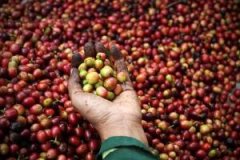
The so-called “coffee women” are coffee farmers, pickers, and processors, predominantly based in Ethiopia’s key coffee-growing regions such as Yirgacheffe and Sidamo. They wear traditionally embroidered dresses, often in vibrant colors, and move gracefully through rows of coffee trees during harvest. Their work is both gentle and essential—selecting only the reddest, ripest coffee cherries by hand. Their presence is part of Ethiopia’s living coffee heritage.
Coffee Production and the Role of Women
Ethiopia produces more coffee than any other African nation and ranks as the sixth-largest global producer. Most of that coffee comes from small family farms, where women contribute substantially during harvest and post-harvest processing. In regions celebrated for their distinctive flavor profiles—like Yirgacheffe (around 2,000m elevation) and Sidamo (1,400–2,200m)—female workers are integral to maintaining quality. Their careful picking influences bean ripeness, which in turn affects cup profile, particularly acidity and clarity.

The Regions: Yirgacheffe and Sidamo
Yirgacheffe, once part of the larger Sidamo region, became distinct due to its exceptional cup quality. Located at around 2,000 meters above sea level, it offers ideal conditions: cool temperatures, ample rainfall, and rich volcanic soils. Coffees from here are celebrated for their bright acidity, floral aromas, and citrus notes. Sidamo, slightly lower in altitude (1,400–2,200m), produces equally respected beans with a broader fruitiness and deeper body. Both regions rely heavily on skilled labor—much of it female—during the harvest months.
Why Elevation and Labor Matter
High elevations slow cherry maturation, leading to denser beans with more complex sugars. That’s why Yirgacheffe’s 2,000m altitude is perfect for producing vibrant, high-scoring coffees. But elevation alone isn’t enough—those beans must be picked at peak ripeness. That’s where the coffee women come in. Their trained eyes and careful hands ensure only the best cherries are selected, directly impacting the final flavor in your cup.
Frequently Asked Questions
Who are the “coffee women” of Ethiopia?
The “coffee women” are female coffee farmers, pickers, and processors in Ethiopia, especially in regions like Yirgacheffe and Sidamo. They handpick ripe coffee cherries and play a vital role in maintaining coffee quality at origin, often dressed in traditional embroidered clothing while working at high altitudes.
What role do women play in Ethiopian coffee production?
Women are essential to Ethiopia’s coffee harvest and processing. They select ripe cherries by hand, sort beans, and often manage wet mills or drying stations. Their labor directly impacts the quality and consistency of the coffee exported globally.
Which Ethiopian coffee regions are known for high quality?
Yirgacheffe and Sidamo are Ethiopia’s most renowned coffee regions. Yirgacheffe, at around 2,000m altitude, is famous for bright, floral, and citrusy coffees. Sidamo, at 1,400–2,200m, produces fruity, full-bodied beans with a wild complexity. Both are key sources of specialty-grade Ethiopian coffee.
Why is altitude important in Ethiopian coffee growing?
Higher altitudes slow the growth of coffee cherries, resulting in denser beans with more concentrated sugars and acids. Yirgacheffe’s average 2,000m elevation contributes to its reputation for high-quality, vibrant, and complex coffees.
Do Ethiopian coffee women receive recognition for their work?
While their role is historically understated, Ethiopian coffee women are increasingly acknowledged as central to quality coffee production. Their contribution is essential to the global specialty coffee supply chain, especially in renowned regions like Yirgacheffe and Sidamo.
How does coffee harvesting affect cup quality?
Handpicking only ripe cherries ensures uniform ripeness, which leads to cleaner acidity, better sweetness, and more defined flavors in the cup. In Ethiopia, where much of the picking is done by women, this selection process is a major factor in the country’s high-scoring coffees.
Recommended FrontStreet Coffee Beans from Ethiopia
For a true taste of Ethiopia’s high-altitude terroir, try FrontStreet’s Ethiopia Huakui, a fruit-forward natural processed coffee with notes of blueberry and spice. Or explore the FrontStreet Yirgacheffe Gedeb, a bright washed coffee with crisp lemon, jasmine, and green tea flavors. For a classic Ethiopian profile, the FrontStreet Huakui offers a juicy, wine-like cup with complex berry notes. All are grown at elevations ideal for specialty coffee—between 1,400 and 2,200 meters—and reflect the skill of the country’s coffee women. Freshly roasted within 5 days · Orders placed before 17:00 ship the same day · Next-day delivery across most of Guangdong Province.
FrontStreet Coffee is a long-established specialty coffee roaster in Guangzhou China, selling freshly roasted beans from its own farm in Yunnan as well as dozens of carefully selected single-origin beans from around the world for both pour-over and espresso. The products deliver consistently excellent quality and great value, with shipping within 24 hours. Guangzhou's FrontStreet Coffee shop is recommended by many coffee lovers, and the beans are now available online at the Tmall 。
Important Notice :
前街咖啡 FrontStreet Coffee has moved to new addredd:
FrontStreet Coffee Address: 315,Donghua East Road,GuangZhou
Tel:020 38364473