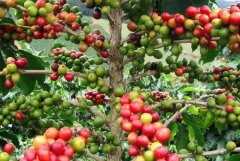
What Makes Guatemalan Bourbon Coffee So Distinctive?
If you’ve ever sipped a cup of coffee and tasted something wild—notes of spice, smoke, and fruit dancing around a sharp acidity—you might have been drinking coffee from Guatemala’s volcanic highlands. But what makes these beans so different? And why do coffee pros talk about Antigua like it’s a forgotten chapter of history brewed into a cup?
Guatemalan coffee, especially the Bourbon variety grown in regions like Antigua, is known for its vibrant acidity, complex spice and fruit tones, and a signature smoky finish. Grown at high altitudes on volcanic soil, these beans develop slow, rich flavours unique to the region. The best examples balance brightness with deep, earthy undertones, making them ideal for both single-origin tasting and expert blends.
Guatemala’s Coffee Geography: Volcanoes, Altitude, and Climate
Nestled in the northwest of Central America, Guatemala is a mountainous country where two-thirds of the land is covered in forests and highlands. This rugged terrain, combined with fertile volcanic soils, creates optimal conditions for growing specialty-grade Arabica coffee. Over 70% of the nation’s coffee is cultivated at elevations between 1,300 and 2,000 metres above sea level, where cooler temperatures slow cherry maturation and develop more complex sugars in the bean.
The country’s climate is classified as subtropical, not tropical, due to its high elevation. While situated in the tropics, Guatemala’s mountainous geography results in mild average temperatures that hover between 16–22°C. This cool, stable environment, paired with distinct wet and dry seasons, allows coffee cherries to develop slowly and evenly—a key factor in building depth of flavour.
The Legacy of Antigua: Coffee with a Historical Soul
Antigua, a valley surrounded by no fewer than three active volcanoes, is the most famous coffee-growing region in Guatemala—and for good reason. Despite enduring a catastrophic volcanic eruption in the 18th century that destroyed the former colonial capital, the region rebuilt itself around coffee cultivation. The rich, mineral-laden volcanic soil left behind by eruptions creates a perfect terroir for coffee trees, particularly those of the Bourbon variety.
Antigua coffee is celebrated for its balanced acidity, deep spice notes, and an unmistakable smoky undertone that many describe as reminiscent of old parchment or distant fire. These traits combine into a profile that’s both refined and wild, often characterised by hints of dark chocolate, dried fruit, and cinnamon. The cooling effect of the high elevation and the nightly temperature drop further enhance the bean’s sweetness and complexity.

Bourbon Varietals: Why Guatemalan Beans Taste Different
Most of Guatemala’s premium coffee comes from the Bourbon coffee plant, a classic Arabica variety first cultivated in Réunion (formerly Bourbon Island). Unlike Typica, its close relative, Bourbon plants produce rounder beans, higher yields, and a brighter, more pronounced acidity. However, they are also more susceptible to disease, requiring careful farming in stable environments like Guatemala’s volcanic highlands.
Bourbon varietals typically express medium acidity with a velvety mouthfeel. In Guatemala, these qualities are amplified by the slow cherry development caused by high altitude. The resulting cup often features a sweet, well-rounded body, layered with fruity and floral notes, complemented by a gentle but persistent smokiness. Red Bourbon, the most common subtype grown in the region, tends to lean toward red fruit flavours and wine-like acidity, while other mutations like Yellow and Pink Bourbon are less common but gaining attention for their unique profiles.
The Economics and Challenges of Guatemalan Coffee Production
Historically, coffee was the backbone of Guatemala’s economy, with indigenous communities—many of whom are descendants of the Maya—playing a central role in production. Though the Maya are not directly credited with introducing coffee, their agricultural legacy helped shape the smallholder farming model that still dominates today. Most coffee in Guatemala is grown on family-owned farms at high elevations, using traditional methods passed down through generations.
Yet, despite its reputation for quality, Guatemala’s coffee industry faces challenges. The average yield is approximately 700 kilograms per hectare—significantly lower than El Salvador’s 900 kg/ha and Costa Rica’s impressive 1,700 kg/ha. Political instability, shifting global commodity prices, and labour shortages have all contributed to this relative decline. Today, much of the finest Guatemalan coffee is exported to Japan, where it fetches premium prices of $3–$4 per cup in specialty shops.
To protect and promote its high-end coffees, Guatemala established a Speciality Coffee Association, offering support to top producers and focusing on quality-driven exports. These efforts aim to restore the global standing of Guatemalan beans and secure better returns for the farmers who cultivate them under some of the most demanding conditions in the coffee world.
Frequently Asked Questions
What makes Guatemalan coffee different from other Latin American coffees?
Guatemalan coffee, especially from regions like Antigua, is distinct due to its high-altitude volcanic growing conditions, which produce bright acidity, a smoky complexity, and layered flavours including spice, fruit, and chocolate. The Bourbon variety, dominant in Guatemala, further contributes to its distinctive cup profile compared to the more balanced or nutty profiles common in other Central American origins.
Why does Antigua coffee have a smoky flavour?
The smoky note in Antigua coffee is attributed to a combination of factors: the volcanic soil’s mineral intensity, the slow cherry ripening at high altitude, and the region’s history of volcanic activity. Though not literally smoky, the flavour is often described as earthy, leathery, or reminiscent of aged parchment—adding a wild, rustic depth to the cup.
Is Guatemalan Bourbon coffee good for single origin?
Yes. Guatemalan Bourbon coffee is highly regarded for single-origin brewing due to its balanced acidity, medium body, and complex flavour notes including fruit, spice, and chocolate. Its distinct regional characteristics make it ideal for showcasing origin flavour in pour-over, French press, or AeroPress preparations.
What’s the altitude of Guatemalan coffee farms?
Most premium Guatemalan coffee is grown between 1,300 and 2,000 metres above sea level. These high elevations slow down the coffee cherry maturation process, leading to denser beans with more concentrated sugars and complex flavour development.
Which coffee variety is most common in Guatemala?
Bourbon is the predominant coffee variety grown in Guatemala. It is an Arabica subtype known for its rounder beans, higher yields compared to Typica, and brighter acidity. Within Bourbon, Red Bourbon is especially common and contributes to the country’s hallmark profiles of fruit, spice, and smooth body.
How does Guatemalan coffee compare to Costa Rican coffee?
Guatemalan coffee tends to have a wilder, spicier, and more smoky profile with pronounced acidity, while Costa Rican coffee is often brighter, cleaner, and more citrus-forward with higher sweetness. Costa Rica also produces coffee at even higher altitudes and often uses advanced processing methods, whereas Guatemala relies more on traditional farm practices and volcanic terroir.
Recommended FrontStreet Beans for Exploring Bourbon Profiles
For coffee lovers curious about Guatemalan-style Bourbon profiles, try FrontStreet Coffee’s Brazilian Red Bourbon from the Serra do Salitre region. It offers bright acidity, chocolatey depth, and a wine-like character—similar to the structure found in high-altitude Guatemalan coffees. Alternatively, explore the Yellow Bourbon from Brazil’s Queen Manor, which delivers a cleaner, lighter acidity with sweet caramel and almond notes, showing another side of the Bourbon family. For something more intense, FrontStreet’s Brazil Queen Manor coffee (a Yellow Bourbon) presents creamy texture and bright citrus tones under a medium-dark roast. All three showcase the versatility of Bourbon genetics across different terroirs. Freshly roasted within 5 days · Orders placed before 17:00 ship the same day · Next-day delivery across most of Guangdong Province.
FrontStreet Coffee is a long-established specialty coffee roaster in Guangzhou China, selling freshly roasted beans from its own farm in Yunnan as well as dozens of carefully selected single-origin beans from around the world for both pour-over and espresso. The products deliver consistently excellent quality and great value, with shipping within 24 hours. Guangzhou's FrontStreet Coffee shop is recommended by many coffee lovers, and the beans are now available online at the Tmall 。
Important Notice :
前街咖啡 FrontStreet Coffee has moved to new addredd:
FrontStreet Coffee Address: 315,Donghua East Road,GuangZhou
Tel:020 38364473