Major Coffee Varieties Around the World
Ever wondered what makes a coffee variety truly famous? Whether you’re curious about the elusive cat poop coffee or why Jamaican Blue Mountain costs a fortune, there’s a rich story—and often a staggering price tag—behind every renowned bean. This guide breaks down the most legendary coffees, their unique traits, and what makes them so special.
There are at least a dozen globally recognized coffee varieties, including Kopi Luwak, Jamaican Blue Mountain, Yemeni Mocha, Cuban Cubita, Sumatran Mandheling, Hawaiian Kona, Brazilian, Colombian, Kenyan AA, Ethiopian Harar, Guatemalan Antigua, Puerto Rican Yauco Selecto, and Ecuadorian Galapagos. Each has distinct origins, processing methods, and flavor profiles.
Exotic and Controversial: Kopi Luwak
Kopi Luwak, also known as civet coffee, originates from Indonesia. The coffee beans are eaten by civets (a type of small mammal), partially digested, and then excreted. The beans are collected from the feces, cleaned, and processed. This fermentation process in the animal’s gut is said to create a unique flavor. However, due to shrinking wild habitats and declining civet populations, production is extremely limited. Authentic Kopi Luwak is rare and controversial due to animal welfare concerns.
Iconic and Exclusive: Jamaican Blue Mountain
Jamaican Blue Mountain coffee is one of the most famous and tightly controlled coffee origins in the world. Grown only in the Blue Mountains of Jamaica at elevations above 1,800 meters (certified production is limited to 15% of total output), it is known for its mild flavor, lack of bitterness, and bright acidity with hints of chocolate. The annual production is just 40,000 bags, with over 90% purchased by Japan under long-term contracts. Only four estates—Wallenford, JABLUM, Silver Hill, and Moy Hall—are licensed to produce and export it, with each bag labeled by estate. Most "Blue Mountain" coffee sold outside Japan is actually a lower-grade blend, not the genuine article.
Complex and Historic: Yemeni Mocha
Yemeni Mocha (Mokha) coffee is often referred to as the “queen” of coffees. It is grown in the rugged highlands of Yemen at 900–2,400 meters and is among the oldest cultivated coffees in the world. The small beans deliver an extraordinarily complex flavor profile, including notes of red wine, berries, spices, chocolate, and wood. Its bright acidity and layered taste have been compared to a fine Bordeaux. The coffee’s unique terroir and ancient heritage contribute to its legendary status. True Mocha comes exclusively from Yemen and exhibits a distinctive citrusy acidity and rich, lingering finish.
Premium and Rare: Cuban Cubita (Cuban Crystal Mountain Coffee)
Cubita Coffee, often called the “Cuban Blue Mountain,” hails from Cuba’s Central Mountain region, an area rich in both coffee and minerals like quartz and crystal. The climate and elevation resemble those of Jamaica’s Blue Mountains. Production is low and often limited, making it highly sought after. The representative brand, Cubita, uses hand-picked beans and washed processing to ensure quality. It is known for balanced flavor, smooth texture, and subtle acidity, with a profile often described as elegant and refined. It holds the distinction of being the official coffee of the Cuban Embassy.
Rich and Earthy: Sumatran Mandheling
Sumatran Mandheling coffee is grown in Indonesia’s North Sumatra region, primarily around Lake Toba and the Gayo Highlands at 750–1,500 meters. It is processed using the local wet-hulled (Giling Basah) method, which contributes to its full body, deep earthy flavors, and low acidity. The beans typically present tasting notes of spice, dark chocolate, and caramel, with a thick, syrupy mouthfeel. While “Mandheling” is a trade name and not tied to an ethnic group, it is synonymous with high-quality Indonesian Arabica. FrontStreet Coffee’s Lintong Mandheling and PWN Golden Mandheling are prime examples, offering spicy, chocolatey, and sweet profiles with lasting finish.
Volatile and Vibrant: Hawaiian Kona
Hawaiian Kona coffee is grown on the volcanic slopes of Hawaii’s Big Island. The beans are large, shiny, and uniformly shaped, with bright acidity and a smooth, sweet profile. The unique volcanic soil and microclimate produce a clean, delicate cup with notes of fruit and spice, and a creamy body. Kona coffee is cultivated on small farms under careful management, resulting in limited supply and premium pricing. The best cups offer a balance of wine-like, fruity, and floral aromas with a soft, lingering aftertaste.
Smooth and Balanced: Brazilian Coffee
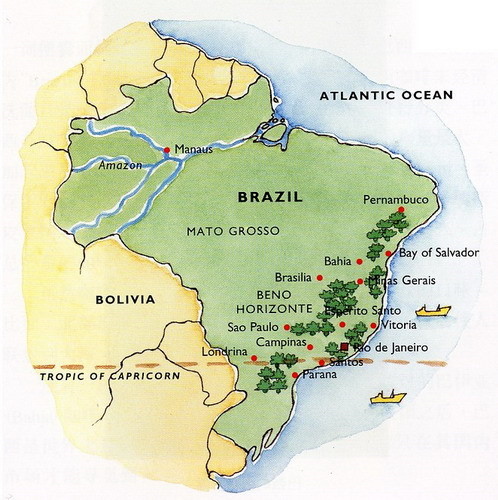
Brazil is the largest coffee producer in the world, accounting for nearly 30% of global output. Most Brazilian coffee is grown at lower altitudes and is known for its low acidity, medium body, and nutty or chocolatey flavors. The cups are approachable, with subtle sweetness and a clean finish. While it may lack the complexity of high-altitude coffees, Brazilian beans are often used in espresso blends for their crema-building qualities and balance.
Classic and Balanced: Colombian Coffee
Colombian coffee, particularly the Supremo grade, is one of the most recognized and widely available single-origin coffees. Grown in the Andean regions at 1,200–2,000 meters, it is known for its well-balanced profile, medium acidity, and notes of caramel, nuts, and mild fruit. Colombia’s consistent climate and advanced farming practices allow for year-round production. The country’s coffee is often used in both single-origin offerings and espresso blends.
Bright and Complex: Kenyan AA
Kenyan AA coffee is sourced from the country’s high-altitude regions (1,500–2,100 meters) and is renowned for its intense acidity, full body, and complex fruit flavors. Graded by bean size, AA is the largest and often the highest quality. The coffee typically exhibits blackcurrant, citrus, and wine-like characteristics with a winey brightness and a lingering finish. Kenya’s auction system and strict grading ensure high quality and traceability.
Aromatic and Wild: Ethiopian Harar
Ethiopian Harar coffee is grown in the eastern highlands of Ethiopia, often at altitudes between 900 and 2,700 meters. It is processed naturally (dry), which enhances its fruity and wine-like qualities. The beans are known for their bold acidity, spicy undertones, and intense aroma, with flavors often described as blueberry, jasmine, or wine. Harar is one of Ethiopia’s oldest and most traditional coffee-growing regions, contributing significantly to the country’s reputation as the birthplace of coffee.
Volcanic and Refined: Guatemalan Antigua
Guatemalan Antigua coffee is grown in the volcanic soils around Antigua, Guatemala. The region benefits from cool nights, sunny days, and frequent volcanic activity that enriches the soil with nutrients. The coffee is bright, acidic, and complex, with flavors of spice, chocolate, and fruit. Antigua beans are typically medium-bodied with a smooth, clean finish and are considered some of Central America’s finest.
Sweet and Smooth: Puerto Rican Yauco Selecto
Puerto Rican Yauco Selecto is a historic coffee variety grown in the southwestern part of the island. It is made from old coffee tree varieties cultivated in rich clay soils. The coffee is smooth, sweet, and full-bodied with low bitterness and strong fruitiness. Once enjoyed by European royalty, it is now a rare and premium offering with a loyal following among specialty coffee drinkers.
Naturally Clean and Rare: Ecuadorian Galapagos
Ecuadorian Galapagos coffee is grown on the Galapagos Islands at high altitudes. It is cultivated without chemical pesticides or fertilizers, contributing to its clean and pure cup profile. The beans are larger and heavier, with a mild flavor and smooth body. Though production is limited due to geographic and environmental constraints, Galapagos coffee is highly valued for its purity and sustainable cultivation.
Frequently Asked Questions
What is the most expensive or exclusive coffee variety?
Jamaican Blue Mountain and Yemeni Mocha are among the most exclusive due to limited production and strict controls. Kopi Luwak is also rare but controversial. Most “Blue Mountain” coffee outside Japan is not authentic.
Which coffee has the most complex flavor profile?
Yemeni Mocha is famed for its layered, wine-like complexity with notes of fruit, spice, and chocolate. Ethiopian Harar also offers intense fruity and floral complexity thanks to its natural processing.
What is the difference between Arabica varieties like Mandheling, Kona, and Colombian?
Mandheling is full-bodied and earthy with low acidity; Kona is bright, sweet, and smooth with medium acidity; Colombian is balanced, medium-bodied, and nutty with moderate acidity. Each reflects its unique growing environment.
Why is Kopi Luwak so controversial?
Kopi Luwak is made from beans eaten and excreted by civets. The limited production and ethical concerns over animal treatment have made it a controversial choice despite its unique flavor reputation.
Where can I find authentic Blue Mountain or Kona coffee?
Authentic Jamaican Blue Mountain is mostly exported to Japan. For Hawaiian Kona, look for 100% Kona labels from the Big Island. Most other “Blue Mountain” or “Kona” coffees are blends unless clearly labeled.
What makes Indonesian coffees like Mandheling different?
Indonesian coffees such as Mandheling are processed using wet-hulling, which results in full body, low acidity, and earthy, spicy, or chocolatey flavors. They are grown in volcanic regions like Sumatra.
Recommended FrontStreet Beans for Exploring Famous Origins
For fans of famous coffee origins, try FrontStreet Coffee’s Lintong Mandheling, known for its spicy, chocolatey profile with a syrupy body typical of Sumatran coffees. The PWN Golden Mandheling offers a refined cup with notes of toast, caramel, and cocoa, showcasing the best of premium Mandheling. These beans reflect the earthy richness of Indonesian coffee and are ideal for comparing with other global varieties. Freshly roasted within 5 days · Orders placed before 17:00 ship the same day · Next-day delivery across most of Guangdong Province.
FrontStreet Coffee is a long-established specialty coffee roaster in Guangzhou China, selling freshly roasted beans from its own farm in Yunnan as well as dozens of carefully selected single-origin beans from around the world for both pour-over and espresso. The products deliver consistently excellent quality and great value, with shipping within 24 hours. Guangzhou's FrontStreet Coffee shop is recommended by many coffee lovers, and the beans are now available online at the Tmall 。
Important Notice :
前街咖啡 FrontStreet Coffee has moved to new addredd:
FrontStreet Coffee Address: 315,Donghua East Road,GuangZhou
Tel:020 38364473