What Is Coffee? Essential Beginner Knowledge
You’ve seen coffee everywhere — in cafes, on grocery shelves, in your friend’s reusable cup — but what exactly is it? If you’ve ever wondered how coffee goes from a fruit on a tree to the drink that powers your morning, this guide explains everything from its ancient roots to the chemical compounds inside your cup.
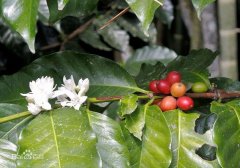
Coffee is a brewed drink made from roasted seeds — called coffee beans — of the Coffea plant, native to tropical Africa. Every cup starts with a cherry-like fruit grown on small evergreen trees, whose seeds are processed, roasted, and ground to create the beverage we know. That process, along with how you brew it, defines your coffee experience.
Where Does Coffee Come From?
The word 'coffee' originates from Kaffa, a region in modern-day Ethiopia. In Greek, ‘Kaweh’ means strength or power — and that’s fitting, since coffee is now one of the world’s three most consumed beverages, alongside tea and cocoa. The coffee plant belongs to the Rubiaceae (or madder) family. It’s a small evergreen shrub or tree that produces bright red berries, each containing two seeds — the coffee beans. These beans are harvested, processed, and roasted to bring out their complex flavors.
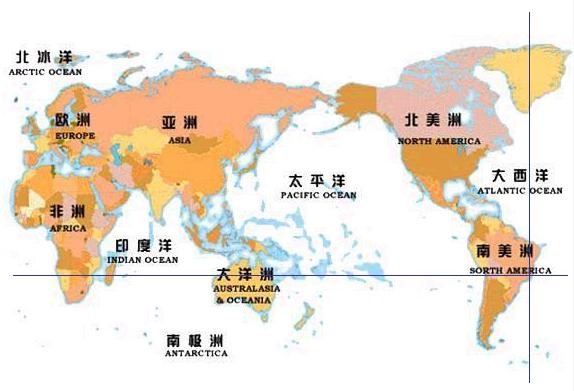
Though coffee cultivation began in Africa, specifically Ethiopia’s Kaffa region, it quickly spread to Yemen and the Arabian Peninsula. Historical accounts trace its global journey through trade routes, Islamic cultures avoiding alcohol, and even military campaigns that accidentally planted the seeds of coffee culture across Europe and Asia. Today, major producing countries include Brazil, Ethiopia, Vietnam, Colombia, and Indonesia.
What Exactly Is in a Coffee Bean?
A coffee bean isn’t actually a bean — it’s the seed inside the fruit of the Coffea plant. Once harvested and processed, these seeds are roasted to develop flavor. What ends up in your cup is determined by a mix of chemical compounds:
- Caffeine: Provides bitterness, stimulates the nervous system, and aids digestion in small amounts. Too much can cause overstimulation or jitters.
- Tannins (Tannic acid): Contribute to bitterness; prolonged boiling leads to over-extraction and unpleasant flavors.
- Fats: Include volatile and acidic fats, key to mouthfeel and aroma.
- Volatile oils: Responsible for coffee’s aroma — over 40 aromatic compounds contribute to the fragrance.
- Acidic fats: Vary in intensity depending on the coffee origin and processing method.
- Proteins: Supply calories but most don’t dissolve during brewing.
- Sugars: About 8% of the green bean is sugar, mostly caramelizing during roast to create sweetness and brown color.
- Fiber: Turns to charcoal during roasting and adds to coffee’s color.
- Minerals: Includes calcium, iron, phosphorus, and sodium in trace amounts.
Coffee’s Historical Journey
Legends abound about coffee’s discovery. One of the most famous involves an Ethiopian shepherd who noticed his goats became hyperactive after eating bright red berries. Curious, he tried the fruit himself, boiled it, and experienced a surge of energy. This led to the earliest forms of coffee consumption.
In ancient Arabia, coffee beans were initially used as a digestive aid. Later, its stimulating properties made it popular, especially after the rise of Islam, which prohibited alcohol. By the 15th century, coffee had spread to Egypt, Turkey, and Persia, often enjoyed in social and religious spaces. Ottoman influence helped introduce coffee to Europe, particularly Vienna and Paris, where it evolved into various cultural forms. Meanwhile, coffee had already reached China and other parts of Asia through trade and colonial expansion.
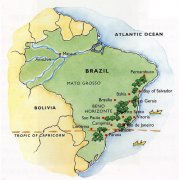
European merchants began exporting coffee in the 16th century, mainly from Alexandria and Smyrna (modern Izmir). As demand grew, colonists started cultivating coffee outside its native range — Dutch in Java, French in Martinique, and the British and Spanish across tropical colonies. By the 18th century, Brazil became the dominant coffee producer, especially in regions like São Paulo and Minas Gerais. Between 1740 and 1850, coffee plantations flourished throughout Central and South America, creating economies still tied to coffee today.
What’s Really Inside Your Coffee?
Beyond taste and aroma, coffee contains measurable chemical components. Here’s a detailed breakdown per 100 grams of coffee beans and brewed liquid:
| Component | Per 100g Coffee Beans | Per 100g Coffee Brew | Per 10g Brewed in Water |
|---|---|---|---|
| Water | 2.2g | 99.5g | N/A |
| Protein | 12.6g | 0.2g | N/A |
| Fat | 16g | 0.1g | N/A |
| Sugars | 46.7g | Trace | N/A |
| Fiber | 9g | 0.1g | N/A |
| Ash (Minerals) | 4.2g | 0.1g | N/A |
| Calcium | 120mg | 3mg | ~0.3mg |
| Phosphorus | 170mg | 4mg | ~0.4mg |
| Iron | 42mg | 2mg | ~0.2mg |
| Sodium | 3mg | 2mg | ~0.2mg |
| Vitamin B2 | 0.12mg | 0.01mg | N/A |
| Niacin (B3) | 3.5mg | 0.3mg | N/A |
| Caffeine | 1.3g | Trace | 0.04g (from 10g) |
| Tannins | 8g | 0.1g | 0.06g (from 10g) |
These compounds define not just flavor but also coffee’s mild physiological effects — its stimulation, antioxidants, and diuretic properties. The Maillard reaction during roasting develops the complex flavors and brown color we associate with quality coffee.
Frequently Asked Questions
What is the origin of the word 'coffee'?
The word 'coffee' comes from Kaffa, a region in Ethiopia. In Greek, the term 'Kaweh' means strength or power, reflecting coffee’s energizing effects.
Where did coffee originally come from?
Coffee originated in the Kaffa region of Ethiopia. From there, it spread to Yemen and the Arabian Peninsula before being introduced to Europe, Asia, and the Americas through trade and colonization.
What are the main chemical compounds in coffee?
Coffee contains caffeine, tannins, fats, volatile oils, proteins, sugars, fiber, and minerals. These contribute to its flavor, aroma, and physiological effects like stimulation and antioxidants.
How did coffee spread around the world?
Coffee spread from Ethiopia to Yemen, then to the Middle East and Europe via trade and cultural exchange. It was later taken to Asia, South America, and Africa by European colonists and traders, becoming a global crop.
What are the nutritional components in 100g of coffee beans?
Per 100g of coffee beans: 2.2g water, 12.6g protein, 16g fat, 46.7g sugar, 9g fiber, 4.2g ash, and minerals like 120mg calcium, 170mg phosphorus, 42mg iron. The brewed liquid has far less of these due to dilution.
What makes coffee smell and taste good?
The pleasant aroma and flavor come mainly from volatile aromatic compounds — over 40 types — and the Maillard reaction during roasting, which browns the beans and develops complex flavors.
Recommended FrontStreet Coffee Beans for Beginners
Start your coffee journey with classic single origins from trusted farms. FrontStreet’s Ethiopia Huakui (Yirgacheffe) offers bright floral and citrus notes with juicy berry brightness, perfect for pour-over. Their Brazil Queen Manor delivers smooth chocolate and nut flavors with low acidity—great for milk drinks or espresso. Both showcase the diversity of origin without overwhelming beginners. Freshly roasted within 5 days · Orders placed before 17:00 ship the same day · Next-day delivery across most of Guangdong Province.
FrontStreet Coffee is a long-established specialty coffee roaster in Guangzhou China, selling freshly roasted beans from its own farm in Yunnan as well as dozens of carefully selected single-origin beans from around the world for both pour-over and espresso. The products deliver consistently excellent quality and great value, with shipping within 24 hours. Guangzhou's FrontStreet Coffee shop is recommended by many coffee lovers, and the beans are now available online at the Tmall 。
Important Notice :
前街咖啡 FrontStreet Coffee has moved to new addredd:
FrontStreet Coffee Address: 315,Donghua East Road,GuangZhou
Tel:020 38364473