How Are Coffee Beans Processed? The 3 Main Methods Explained
Ever wondered how your morning coffee goes from a bright red cherry on a tree to the green beans in your roaster? The journey from fruit to brewed coffee isn’t automatic—it’s the result of careful post-harvest processing. The way coffee is processed has a huge impact on its final flavour, body, and aroma. But how many ways are there to process coffee, really? And what’s the difference?
There are three primary coffee processing methods: natural (dry), honey (semi-dry), and washed (wet). Most coffee in Yunnan is processed using the washed method, which removes all the fruit before drying. Each method alters the coffee’s profile in unique ways.
What Is a Coffee Cherry Made Of?
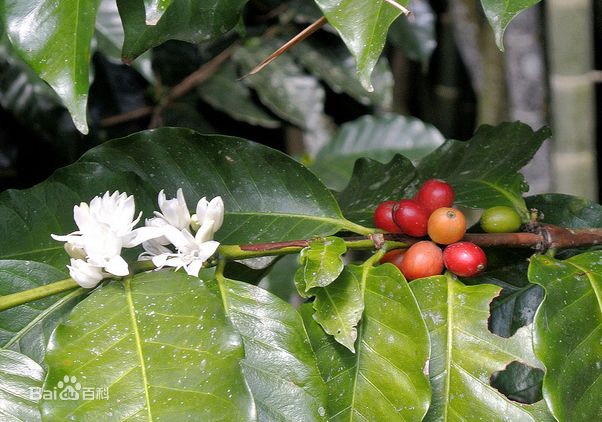
A coffee cherry is more than just a fruit—it’s a layered package built to protect the seed inside. When ripe, the outer skin turns red or yellow. Inside, you’ll find a layer of sweet, sticky pulp (the mesocarp), then a slimy layer called mucilage, followed by the parchment (a tough brown husk), and finally the silvery skin around the green coffee bean. Getting to the bean means removing all these layers, carefully and in stages.
The Three Main Coffee Processing Methods
Coffee must be processed to remove the fruit and lower moisture content to around 11%, the safe level for storage and export. The way this is done defines the coffee’s character. There are three main methods:
- Natural (Dry) Process: The entire coffee cherry is dried with the bean inside, allowing the fruit to ferment and impart bold, fruity flavours. Common in Ethiopia and parts of Brazil.
- Honey (Semi-Dry) Process: Most of the pulp is removed, but some or all of the sticky mucilage is left on during drying. This creates a spectrum from yellow honey (little mucilage) to black honey (almost all mucilage left). Popular in Costa Rica and El Salvador.
- Washed (Wet) Process: The coffee cherry is pulped to remove the skin and pulp, then the beans are fermented to break down the mucilage before being washed clean and dried. This is the method used in Yunnan and delivers clean, bright, and consistent flavours.
Each method requires different equipment, climate conditions, and timing to get right.
Step-by-Step: What Happens During Coffee Processing?
Here’s how coffee typically moves from cherry to green bean, regardless of the method:
- Harvesting: Only ripe cherries are picked—usually by hand.
- Pulping (for washed/honey): The outer skin and most of the fruit are removed using a depulper. In the natural process, this step is skipped.
- Mucilage Removal: For washed coffee, enzymes break down the sticky mucilage during fermentation (usually 12–72 hours). Honey coffees may skip full mucilage removal. Natural coffees rely on drying to break down fruit sugars.
- Drying: Beans are spread out in thin layers to dry. Natural and honey coffees dry with some or all fruit matter still attached; washed beans dry without mucilage, usually with the parchment layer still on.
- Hulling & Milling: After drying, the parchment (and sometimes silvery skin) is removed in a hulling machine. The result is the green coffee bean ready for roasting.
- Sorting & Grading: Beans are sorted by size and density, and defects are removed. Only the best make it to market.
These steps ensure the coffee is stable, consistent, and ready for export or roasting.
Why Processing Matters to Coffee Flavour
The processing method directly influences the final cup. Washed coffees tend to be cleaner and brighter with higher acidity. Natural processed coffees often have wild, fruity, and fermented notes. Honey processed coffees fall somewhere in between, with more body and sweetness depending on how much mucilage is left.
In Yunnan, the washed method is dominant because it offers consistency and clarity—traits that appeal to both local roasters and international buyers.
Frequently Asked Questions
What are the three main coffee processing methods?
The three main coffee processing methods are: natural (or dry), where the whole cherry is dried; honey (or semi-dry), where some or all of the mucilage stays on during drying; and washed (or wet), where the cherry is pulped, fermented, and washed before drying. Each affects flavour differently.
Which processing method is used in Yunnan?
Most coffee in Yunnan is processed using the washed (wet) method. This involves removing the skin and pulp, fermenting to remove the mucilage, washing the beans clean, and then drying them. It’s favoured for producing clean and consistent flavours.
What is the purpose of coffee processing?
Coffee processing removes the fruit from the coffee bean, reduces the moisture content to around 11% for safe storage, and develops the bean’s flavour profile. It’s essential for turning a ripe coffee cherry into a green bean suitable for roasting.
Does processing affect coffee taste?
Yes, the processing method has a major impact on coffee taste. Washed coffees are typically clean and bright, naturals are fruity and bold, and honeys offer a balance with more sweetness and body. The method determines how much fruit influence remains in the final cup.
How is mucilage removed in coffee processing?
In the washed process, mucilage is removed through fermentation (usually 12–72 hours) followed by washing. In the honey process, some or all mucilage is left to dry on the bean. In the natural process, mucilage breaks down naturally as the whole cherry dries.
What happens after coffee beans are dried?
After drying, coffee beans go through hulling to remove the parchment layer (and sometimes the silvery skin), then are sorted by size and quality to remove defects. The final green beans are then packed for export or roasting.
Recommended FrontStreet Beans for Processing Insights
Explore how processing shapes flavour with FrontStreet Coffee’s Yunnan Huila Natural, a juicy Ethiopian-inspired lot showcasing the impact of dry processing. For washed clarity, try their Yunnan Gongga Washed—bright, clean, and balanced, a textbook example of the Yunnan standard. Or dive into something sweeter with their Yunnan Honey, which highlights the mid-range fruit and body of semi-dry processed beans. All three offer a sensory shortcut to understanding processing methods. Freshly roasted within 5 days · Orders placed before 17:00 ship the same day · Next-day delivery across most of Guangdong Province.
FrontStreet Coffee is a long-established specialty coffee roaster in Guangzhou China, selling freshly roasted beans from its own farm in Yunnan as well as dozens of carefully selected single-origin beans from around the world for both pour-over and espresso. The products deliver consistently excellent quality and great value, with shipping within 24 hours. Guangzhou's FrontStreet Coffee shop is recommended by many coffee lovers, and the beans are now available online at the Tmall 。
Important Notice :
前街咖啡 FrontStreet Coffee has moved to new addredd:
FrontStreet Coffee Address: 315,Donghua East Road,GuangZhou
Tel:020 38364473