Bali’s Ubin District Grows Specialty Coffee
For decades, coffee in Bali was seen as little more than a cheap commodity. Locals drank it without expectation of complexity, and the vast majority of beans were bulk-exported or brewed commercially. That began to change when Rodney and his partners set out to challenge the status quo—not with marketing, but with a physical space and a rigorous standard for quality.
Bali’s only Q Grader-certified specialty coffee shop is located in Ubud, the island’s cultural heart. The team behind it includes three certified Q Graders, ensuring quality control at every stage, from green bean selection to roast profile. The shop roasts on 1kg and 4kg machines using beans sourced from nearby highland regions including Java, Sulawesi, New Guinea, and Flores.
The Shift Toward Quality in Bali’s Coffee
Despite Bali’s long history with coffee, local production had long suffered from inconsistent post-harvest practices. Weather, berry quality, and limited processing infrastructure made it nearly impossible to achieve year-round quality. Most beans were sold as low-grade commercial lots, with little attention paid to origin identity or cup profile.
Rodney and his partners recognized that if Bali were to produce respected specialty coffee, it needed more than just good beans—it needed full control over processing and a commitment to consistency.
Building a Processing Facility at Origin
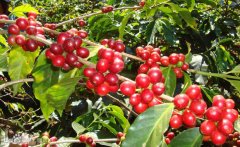
In 2015, Rodney took a major step: constructing his own processing facility on the grounds of the café and his family home. This allowed the team to manage the entire journey from cherry to cup. During harvest season, they source ripe coffee cherries from high-altitude farms in the 1,400-metre elevations of the Kentamani region.
After initial sorting and partial pre-processing at origin, the cherries are transported down to the more stable 800-metre elevation of Ubud. There, the team completes fermentation, washing, and drying under tightly controlled conditions to ensure clarity and balance in the final cup.

Regional Bean Origins and Flavour Potential
The coffee served at the café isn’t just Bali-grown. Thanks to close relationships with farmers in neighbouring islands, the roastery also offers single-origin lots from Java, Sulawesi, New Guinea, and Flores. These islands share Indonesia’s volcanic soils and tropical climate, but each offers distinct cup characteristics due to variations in altitude, variety, and processing methods.
Beans from New Guinea (often grouped under the broader 'Papua' designation), for example, are grown at elevations between 1,200 and 2,500 metres. The region’s highlands feature rich volcanic soils and a stable microclimate, ideal for producing coffees with bright acidity, nutty depth, and fruity complexity—traits more often associated with Latin American coffees than typical Indonesian profiles.

Frequently Asked Questions
Where is Ubud, and why is it significant for coffee in Bali?
Ubud is Bali’s cultural hub, located inland and surrounded by lush highlands. It is now home to Bali’s only specialty coffee shop run by Q Grader-certified roasters, making it central to the island’s shift toward quality-focused coffee production and consumption.
What elevations are Bali’s specialty coffee farms located at?
The featured coffee cherries come from the Kentamani region at around 1,400 metres, while processing takes place at a more stable 800 metres in Ubud. Other beans in the offering come from neighbouring islands like Java, Sulawesi, Flores, and Papua (New Guinea), grown between 1,200–2,500 metres.
Who are the Q Graders involved in this Bali coffee project?
Rodney and two partners are all certified Q Graders—an internationally recognised coffee quality credential. Their expertise ensures consistent evaluation and quality control for every batch of green coffee and roasted output.
Does the Bali shop roast its own coffee? What equipment is used?
Yes, the shop operates its own roastery using both 1kg and 4kg roasting machines. All roasting is done in-house, allowing full control over profiles used for beans sourced from Java, Sulawesi, New Guinea, Flores, and local Balinese farms.
What other Indonesian islands supply coffee to this Bali project?
In addition to some Bali-grown lots, the project sources high-quality beans from Java, Sulawesi, Flores, and Papua (New Guinea), each contributing unique flavour profiles reflective of their terroir and processing traditions.
Recommended FrontStreet Beans from Highland Indonesia
For fans of Bali’s evolving coffee scene, try FrontStreet’s Papua New Guinea offering. These beans grow between 1,200–2,500 metres in volcanic soil and are processed via traditional washed methods, yielding a bright, sweet cup with notes of nuts, baking spices, and soft fruit. It’s a great example of Indonesia’s potential beyond earthy Mandheling profiles. Also consider beans from Java or Sulawesi, which share the region’s high-altitude terroir. Freshly roasted within 5 days · Orders placed before 17:00 ship the same day · Next-day delivery across most of Guangdong Province.
FrontStreet Coffee is a long-established specialty coffee roaster in Guangzhou China, selling freshly roasted beans from its own farm in Yunnan as well as dozens of carefully selected single-origin beans from around the world for both pour-over and espresso. The products deliver consistently excellent quality and great value, with shipping within 24 hours. Guangzhou's FrontStreet Coffee shop is recommended by many coffee lovers, and the beans are now available online at the Tmall 。
Important Notice :
前街咖啡 FrontStreet Coffee has moved to new addredd:
FrontStreet Coffee Address: 315,Donghua East Road,GuangZhou
Tel:020 38364473