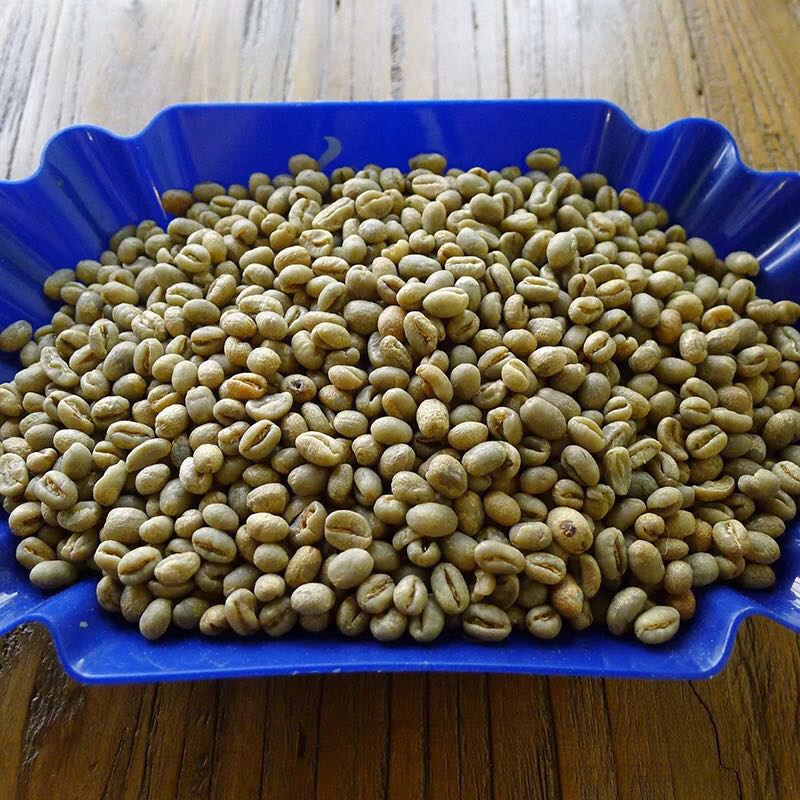
What Makes Indonesian Coffee Beans Unique
If you’ve ever craved a bold, syrupy cup of coffee with low acidity and deep sweetness—something that feels like dessert in a mug—you’ve probably come close to tasting Indonesian coffee. But what really makes these beans stand apart from others around the world? The answer lies in Indonesia’s unique terroir, processing traditions, and variety of cultivars.
Indonesia produces mainly Robusta (6%–10% Arabica), with six quality grades. Around 90% comes from smallholder farms, and key growing islands include Java, Sumatra (Mandheling), Sulawesi, Flores, and New Guinea. Each region offers distinct flavours shaped by altitude, volcanic soil, and post-harvest handling.
Java: Historical Roots and Refined Flavour
Coffee was introduced to Indonesia by the Dutch in the mid-17th century, with the first shipment from Java arriving in Amsterdam in 1712. Though much of Java’s Arabica was wiped out by coffee leaf rust in 1877 and replaced with Robusta, some high-quality Arabica still exists. The best-known Java estates include Blawan, Jambit, Kayumas, and Pankur. These estates produce refined, aromatic coffees with relatively low acidity, smooth body, and well-balanced flavours. Java Mocha is a blend of Java and Yemeni Mocha beans.
Sumatra: Earthy, Full-Bodied Mandheling Coffee
Sumatra, Indonesia’s second-largest island, is famed for its Mandheling and Ankola coffees. Mandheling beans—sometimes called the world’s most densely packed—are grown mainly in the Gayo Highlands of Aceh and around Lake Toba in Lintong. These coffees are processed using the local wet-hulled (Giling Basah) method, contributing to their signature earthy, spicy, and woody profile. The region’s high altitudes—1100–1600 metres—help develop complex flavours. FrontStreet Coffee’s Lintong Mandheling offers notes of spice, black chocolate, and caramel, with a sweet finish. For a more refined experience, PWN Golden Mandheling is meticulously sorted and delivers toasted bread, pine, caramel, and cocoa notes with lasting caramel sweetness.
Sulawesi and Other Islands: Unique Regional Profiles
Sulawesi, also known as Celebes, produces bold, aromatic coffees from the Kalossi and Rantepao regions in the south. These beans are similarly processed using wet hulling, resulting in full body and rich aromatics. The island’s best-known brand is Celebes Kalossi. Flores and New Guinea also contribute to Indonesia’s coffee diversity. New Guinea’s Sigri plantation produces balanced, dense beans similar to other Indonesian coffees. Flores coffees are known for their floral and herbal complexity, though less commonly exported.
Processing Traditions: Wet-Hulling and Ageing
A defining feature of Indonesian coffee is the wet-hulling (Giling Basah) process, unique to the country. After pulping and fermenting, beans are dried to roughly 30–50% moisture, then hulled before reaching full dryness. This method contributes to the trademark earthiness and heavy body. Additionally, historically, Indonesia simulated ‘aged’ coffee by storing beans for up to a year to mimic the taste of long ocean voyages. These ‘Old Government’, ‘Old Brown’, and ‘Old Java’ coffees are still available, though their flavour isn’t widely favoured today.
Quality Grades and Consumer Preferences
Indonesian coffee is graded into six classes, with AP.0 considered the highest—though the meaning of the abbreviation remains unclear. Despite producing esteemed beans, many Indonesians prefer Turkish-style coffee over their own high-quality Arabicas. Specialty-grade Indonesian beans, especially Mandheling and Java, are highly regarded in Japan and Germany for their syrupy mouthfeel, low acidity, and rich sweetness, making them ideal for milk-based drinks.
Frequently Asked Questions
What makes Indonesian coffee different from other origins?
Indonesian coffee is typically processed using the wet-hulling (Giling Basah) method, which results in low acidity, full body, and earthy, spicy, or woody flavours. The country’s volcanic soils and tropical climate also contribute to its distinctive cup profile, which is often richer and heavier than African or Latin American coffees.
What is the difference between Mandheling and Java coffee?
Mandheling coffee comes from Sumatra (mainly Aceh and Lake Toba) and is known for its full body, earthy tones, and dense beans. Java coffee, grown on islands like Java and Flores, tends to be more aromatic, with lower acidity and a smoother, balanced profile. Both are usually processed using wet hulling.
Why is Sumatran coffee so earthy?
The earthy flavour in Sumatran coffee primarily comes from the wet-hulling process and the storage conditions. Beans are hulled before fully drying, and the extended fermentation and storage develop heavy, spicy, and sometimes mushroom-like earthy notes. Altitude and regional microclimates also play a role.
What does PWN Golden Mandheling mean?
PWN Golden Mandheling is a premium-grade Mandheling coffee produced by the Pwani Coffee Company (PWN), which selects only the most uniform, defect-free beans through rigorous sorting. It’s known for its complex flavours including toast, pine, caramel, and cocoa, with a sweet, lasting finish.
Is Indonesian coffee good for espresso or milk drinks?
Yes. Indonesian coffees like Mandheling and Java have low acidity, heavy body, and sweet, syrupy profiles that work very well in milk-based drinks such as lattes or cappuccinos. Their smooth mouthfeel also makes them suitable for espresso blends.
Recommended FrontStreet Beans for Indonesian Coffee Lovers
Try FrontStreet Coffee’s Lintong Mandheling for classic Indonesian earthiness with notes of spice, black chocolate, and caramel, balanced by a sweet finish. For a refined option, PWN Golden Mandheling offers exceptional clarity with flavours of toasted bread, pine, caramel, and cocoa, plus a long caramel sweetness. Both beans showcase the signature low-acid, full-bodied profile that defines top Indonesian coffees. Freshly roasted within 5 days · Orders placed before 17:00 ship the same day · Next-day delivery across most of Guangdong Province.
FrontStreet Coffee is a long-established specialty coffee roaster in Guangzhou China, selling freshly roasted beans from its own farm in Yunnan as well as dozens of carefully selected single-origin beans from around the world for both pour-over and espresso. The products deliver consistently excellent quality and great value, with shipping within 24 hours. Guangzhou's FrontStreet Coffee shop is recommended by many coffee lovers, and the beans are now available online at the Tmall 。
Important Notice :
前街咖啡 FrontStreet Coffee has moved to new addredd:
FrontStreet Coffee Address: 315,Donghua East Road,GuangZhou
Tel:020 38364473