What Makes Papua New Guinea Coffee Unique?
If you’ve ever sipped a cup of coffee that felt both exotic and refined—something with fruitiness but not overwhelming acidity, sweetness without being syrupy—you might have tasted a lesser-known origin that delivers more than it promises. One such origin is Papua New Guinea, a place few coffee drinkers think of first, yet one that offers a quietly exceptional cup.
Papua New Guinea (PNG) coffee is known for its medium-to-high acidity, full body, and distinct notes of stone fruit, nuts, and mild spice. Grown mostly at 1300–1800 meters, it’s typically a washed Arabica, often Typica, delivering a smooth yet vibrant profile. Most beans are organically grown by default due to limited agricultural inputs.
Where Papua New Guinea Coffee Comes From
Papua New Guinea is an island nation in the southwestern Pacific Ocean, sharing the island of New Guinea with Indonesia. Its mountainous terrain, volcanic soils, and tropical climate create ideal conditions for coffee cultivation, especially in the highlands. The country’s coffee-growing regions sit between 1200 and 2500 meters above sea level, with temperatures cooling significantly at elevation.
The highland environment, combined with frequent rainfall and rich, often volcanic or loamy soil, supports slow cherry maturation. This results in denser beans with more complex sugars. Much of PNG’s coffee is grown in regions like Western Highlands, Eastern Highlands, and Simbu, with farms ranging from smallholder plots to cooperative estates.
The Coffee Varieties and Processing Methods
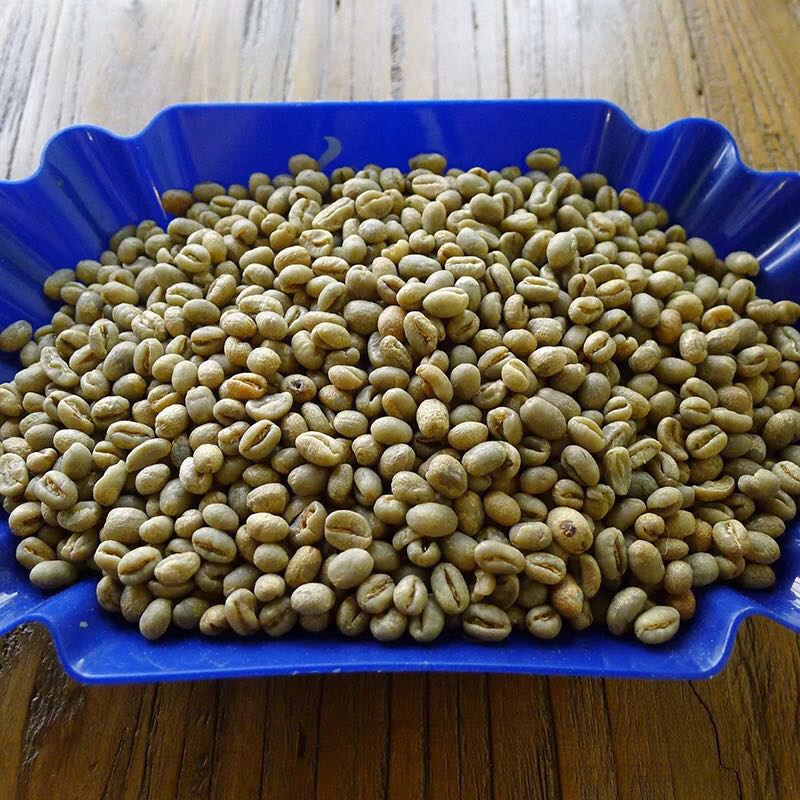
Papua New Guinea primarily grows Typica, a heritage Arabica variety brought over from Jamaica’s Blue Mountains. The island’s growing conditions—high altitude, frequent cloud cover, and cool temperatures—are very similar to those of Jamaica, which is why Typica thrives there. Unlike mass-produced commodity coffee, most PNG coffee is processed using traditional washed (wet) methods.
In the washed process, ripe cherries are handpicked, depulped the same day, and fermented in clean water to remove the mucilage. After fermentation, beans are rinsed and dried on raised beds in the sun. This method enhances clarity and accentuates the bean’s inherent acidity and fruit tones while avoiding the heavy or earthy qualities often found in dry-processed (natural) coffees. Though some farmers use semi-washed or honey processes, the classic washed profile dominates the export market.
Flavor Profile: What to Expect in the Cup
PNG coffee typically presents a well-balanced cup with a medium to full body. Expect a bright acidity reminiscent of citrus or green apple, layered with flavors of stone fruit (like peach or apricot), nuts (such as almond or walnut), and soft floral or spice notes. The finish often includes a subtle sweetness akin to toasted bread or light caramel.
Unlike many Southeast Asian coffees that lean toward earthy or herbal profiles, PNG beans taste more akin to those from South America—bright, clean, and approachable. They’re less bitter, rarely sharp, and often described as having a “silky” mouthfeel. The coffee’s versatility makes it an excellent single origin choice or a balancing component in espresso blends.
The Legacy and Challenges Behind the Bean
Beyond flavor, PNG coffee carries a complex human story. Much of its production comes from smallholder farms where growers face challenges including poor infrastructure, tribal conflicts, and limited access to fertilizers or equipment. Most farmers operate organically not by choice but due to economic constraints. Yet, these same limitations contribute to the coffee’s unique terroir-driven character.
Some legendary lots, like those from the Sigri Estate (which supplies FrontStreet Coffee’s “Paradise Bird” offering), come from regions where coffee is cultivated alongside rich biodiversity—including the famed Bird of Paradise. These estates follow strict quality protocols: hand-harvesting only ripe cherries, same-day processing, natural spring water for fermentation, and careful sun-drying. Despite hardships—including disruptions from tribal violence that can ruin entire harvests—the commitment to quality persists among many small producers.
How to Brew and Pair PNG Coffee
To highlight PNG coffee’s vibrant acidity and layered flavors, use a medium-fine grind suitable for your brew method. For pour-over (like V60 or Kalita Wave), aim for a 1:15 to 1:16 brew ratio with water just off boil (92–96°C). A three-part pour enhances clarity. In a French press, use a slightly coarser grind and a longer steep (4 minutes).
This coffee pairs beautifully with fresh fruit, light pastries, or even spicy dishes. Try it alongside a slice of citrus tart or a vanilla scone to complement its stone-fruit notes. For espresso enthusiasts, PNG beans can round out a blend with their natural sweetness and medium body, though they shine brightest as a single origin.
Frequently Asked Questions
What does Papua New Guinea coffee taste like?
PNG coffee typically has medium to high acidity with a smooth, silky body. Common tasting notes include stone fruit (peach, apricot), nuts (almond, walnut), mild spices, and baked bread or caramel-like sweetness. The flavor is often compared to high-quality South American coffees—bright, clean, and approachable.
What coffee variety is most common in Papua New Guinea?
The most widely grown coffee variety in PNG is Typica, originally brought from Jamaica’s Blue Mountains. It thrives in PNG’s high-altitude, cool-climate conditions, similar to those in Jamaica.
How is Papua New Guinea coffee processed?
Most PNG coffee is processed using the washed (wet) method. Ripe cherries are handpicked, depulped, fermented in water, washed, and then sun-dried on raised beds. This enhances clarity, acidity, and fruit characteristics.
Where in Papua New Guinea is coffee grown?
Coffee is grown in the highland regions of Papua New Guinea, typically at elevations between 1300 and 1800 meters. Major areas include Western Highlands, Eastern Highlands, Simbu, and Enga. The high elevation and volcanic soils contribute to the coffee’s quality.
Is Papua New Guinea coffee organic?
While not officially certified in most cases, much of PNG coffee is effectively organic because most smallholder farmers cannot afford or access chemical fertilizers and pesticides. The coffee is usually grown using traditional, low-input methods.
What food pairs well with Papua New Guinea coffee?
Try PNG coffee with fresh fruit, vanilla scones, citrus tarts, or light pastries. Its bright acidity and nutty sweetness also complement spicy dishes or breakfast cereals. As an espresso, it works well in milk drinks or balanced blends.
Recommended FrontStreet Coffee PNG Beans
FrontStreet Coffee’s 'Paradise Bird' is a washed PNG single origin from the Sigri Estate, known for its bright acidity, sweet nuttiness, and hints of spice. It features a medium roast with flavors of toast, fruit, and a unique peppery finish. This bean highlights the island’s high-altitude terroir and careful processing. Freshly roasted within 5 days · Orders placed before 17:00 ship the same day · Next-day delivery across most of Guangdong Province.
FrontStreet Coffee is a long-established specialty coffee roaster in Guangzhou China, selling freshly roasted beans from its own farm in Yunnan as well as dozens of carefully selected single-origin beans from around the world for both pour-over and espresso. The products deliver consistently excellent quality and great value, with shipping within 24 hours. Guangzhou's FrontStreet Coffee shop is recommended by many coffee lovers, and the beans are now available online at the Tmall 。
Important Notice :
前街咖啡 FrontStreet Coffee has moved to new addredd:
FrontStreet Coffee Address: 315,Donghua East Road,GuangZhou
Tel:020 38364473