Jamaica Blue Mountain Coffee: Flavor, Origin & Brewing Guide
Ever bought a bag of Jamaica Blue Mountain coffee, brewed it like your usual single origin—and ended up underwhelmed? You’re not alone. Despite its high price, many people find it doesn’t taste dramatically better unless brewed differently. The secret? You need more coffee in the brew than you’d use for other beans—roughly 10–15% more—to get the full experience. Otherwise, you’re paying a premium for muted results.
The key to getting the best out of Blue Mountain coffee? Use 10–15% more coffee by weight than your normal dose. That small adjustment brings out its signature balanced, fruity, and acidic profile—otherwise, you might miss what makes it special.
What Is Jamaica Blue Mountain Coffee, Really?
True Jamaica Blue Mountain coffee comes from a small region on the island of Jamaica, grown at elevations between 910 and 1,700 meters. The coffee is celebrated for its mild flavor, lack of bitterness, bright acidity, and well-rounded profile with fruity and nutty notes. It’s known for a smooth mouthfeel and a long, satisfying aftertaste—what some coffee professionals call “a clean cup.”
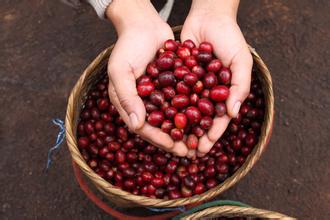
The growing conditions are nearly ideal: cool temperatures, frequent cloud cover, high humidity, and volcanic soils combine to slow cherry maturation, which enhances sugar development and flavor complexity. The coffee is cultivated using traditional shaded methods, often alongside banana and avocado trees on steep, terraced slopes.
Where Is Blue Mountain Coffee Grown?
Blue Mountain coffee is grown in three official regions of Jamaica:
- St. Andrew
- Portland
- St. Thomas
These areas make up the 6,000-hectare Blue Mountain zone. However, Jamaica also has 12,000 hectares planted with other coffee types: High Mountain Supreme and Prime Washed Jamaican. Not all coffee labeled “Blue Mountain” comes from the actual Blue Mountain region—only beans grown within those 6,000 hectares qualify.
Some well-known small estates include Wallenford Estate, Silver Hill Estate, and the Atlanta Estate managed by J. Martinez. Even the largest farms are considered smallholdings by global standards, often family-run for generations.
The History Behind the Legend
Jamaica Blue Mountain coffee’s story began in 1725, when Sir Nicholas Lawes brought the first coffee plants from Martinique and planted them in St. Andrew. By 1733, the region was exporting over 375 tons of coffee. Production peaked in 1932 with more than 15,000 tons, but quality declined by 1948, leading to a crisis when Canadian buyers canceled contracts.
In response, the Jamaican government formed the Coffee Industry Board in 1950 to rescue the country’s coffee reputation. With improvements funded by Japanese loans by 1969, quality rebounded. Japan remains the biggest buyer, purchasing around 90% of production—688 tons in 1992 alone. Other markets like the U.S. (75 tons) and UK (59 tons) get the limited remainder. The coffee is so sought-after that even at high prices, demand outstrips supply.
How Blue Mountain Coffee Is Processed & Exported
After harvest, Blue Mountain coffee is processed using washed (wet) methods to ensure cleanliness and clarity of flavor. The beans are then sorted and graded. Only the highest-quality beans, classified as Jamaica Blue Mountain No. 1, are exported.
A unique aspect of Blue Mountain coffee export is its packaging: it’s shipped in 70-kilogram wooden barrels, replicas of 19th-century Bonifieur barrels from Guadeloupe. These barrels, originally used for flour, often display the producer’s name and are a traditional symbol of quality. Before export, every bean lot is certified by the Coffee Industry Board and stamped with an approval seal.
Why Does Blue Mountain Coffee Cost So Much?
There are several reasons Blue Mountain coffee commands a premium:
- Limited production (only 6,000 hectares)
- Strict quality controls and certifications
- High labor costs and challenging terrain (no mechanization on steep hills)
- Heavy export demand, especially from Japan
- Unique microclimate and growing conditions
Most importantly, to get the full flavor experience at home, you must use more coffee per brew—typically 10–15% more than your standard dose. Otherwise, the coffee can taste weaker or less defined than expected, making the “real” cost higher than the upfront price suggests.
Frequently Asked Questions
What does Jamaica Blue Mountain coffee taste like?
Jamaica Blue Mountain coffee is known for its mild, balanced flavor with bright acidity, subtle fruitiness, and a clean, smooth finish. Common tasting notes include almond, nuts, mild citrus, and chocolate, with a light body and a long, sweet aftertaste.
Where exactly is Blue Mountain coffee grown in Jamaica?
Authentic Blue Mountain coffee is grown only in the Blue Mountain region of Jamaica, covering 6,000 hectares across three parishes: St. Andrew, Portland, and St. Thomas. Coffee grown outside this area may be labeled as Jamaican but isn’t true Blue Mountain.
Why is Blue Mountain coffee so expensive?
Blue Mountain coffee is expensive due to limited production, high labor costs, manual cultivation on steep terrain, strict quality grading, and high global demand—especially from Japan, which buys around 90% of the annual crop.
How much more coffee should I use when brewing Blue Mountain?
To fully experience Blue Mountain coffee’s flavor, use approximately 10–15% more coffee by weight than your usual dose. This compensates for its lighter inherent intensity and ensures a more balanced and flavorful cup.
Is all coffee labeled Blue Mountain really from the Blue Mountain region?
No. Only coffee grown within the official 6,000-hectare Blue Mountain region qualifies as true Jamaica Blue Mountain. The remaining 12,000 hectares in Jamaica grow other types, such as High Mountain Supreme and Prime Washed Jamaican, which are not Blue Mountain.
How is Blue Mountain coffee exported?
Blue Mountain coffee is traditionally exported in 70-kilogram wooden barrels that replicate 19th-century Bonifieur barrels from Guadeloupe. Each batch is certified by Jamaica’s Coffee Industry Board and sealed with an official approval stamp before shipping.
Recommended FrontStreet Coffee for Blue Mountain Fans
If you enjoy the clean, balanced profile of Jamaica Blue Mountain coffee, try FrontStreet Coffee’s Classic Blend for a smooth, low-acid cup with hints of almond and soft sweetness. For something richer, their Black Cocoa Blend offers a bold yet balanced profile with chocolatey depth and a hint of ripe plum. Both are great options to explore similar flavor territory as Blue Mountain, but with their own unique profiles. Freshly roasted within 5 days · Orders placed before 17:00 ship the same day · Next-day delivery across most of Guangdong Province.
FrontStreet Coffee is a long-established specialty coffee roaster in Guangzhou China, selling freshly roasted beans from its own farm in Yunnan as well as dozens of carefully selected single-origin beans from around the world for both pour-over and espresso. The products deliver consistently excellent quality and great value, with shipping within 24 hours. Guangzhou's FrontStreet Coffee shop is recommended by many coffee lovers, and the beans are now available online at the Tmall 。
Important Notice :
前街咖啡 FrontStreet Coffee has moved to new addredd:
FrontStreet Coffee Address: 315,Donghua East Road,GuangZhou
Tel:020 38364473