What Makes Jamaica Blue Mountain Coffee So Special?
Ever wondered why Jamaica Blue Mountain coffee costs so much more than your everyday cup—but doesn’t always taste dramatically better? That price tag isn’t just marketing. There’s real history, geography, and meticulous farming behind every bean. But to truly understand whether it’s worth it, you need to know how it’s grown, what makes it unique, and how to get the most out of it when you brew.
True Jamaica Blue Mountain coffee comes from a specific region on the Blue Mountains of Jamaica, grown under strict quality controls. Only about 2,500 metric tons are produced annually, and 90% is bought by Japan—making global supply extremely limited. Its balanced flavor, rarity, and labor-intensive production justify its premium status.
What Is Jamaica Blue Mountain Coffee?
Not all coffee from Jamaica is Blue Mountain coffee. Only beans grown in the defined Blue Mountain region of eastern Jamaica—and certified by Jamaican authorities—can carry the official “Jamaica Blue Mountain Coffee” label. The Blue Mountains rise over 2,256 meters (7,402 feet), making it one of the highest coffee-growing regions in the world. The area includes three main districts: St. Andrew, Portland, and St. Thomas. Within this small zone, coffee is cultivated under unique conditions that contribute to its legendary profile.
Why Is Blue Mountain Coffee So Expensive and Rare?
The scarcity starts with land: the official Blue Mountain coffee-growing area spans just 6,000 hectares. Another 12,000 hectares nearby grow other Jamaican coffee types (like High Mountain Supreme and Prime Washed Jamaican), but not Blue Mountain. Historically, production peaked in 1932 at over 15,000 tons, but by 1948 quality had dropped, prompting government intervention. Today, annual output is under 2,500 tons, with around 90% exported to Japan. In 1992, Japan imported 688 tons, compared to 75 tons for the U.S. and 59 tons for the U.K. This imbalance leaves minimal supply for the rest of the world, driving both demand and price. Additionally, most estates are small family operations, often run by multi-generational owners on plots handed down for centuries.
How Is Blue Mountain Coffee Actually Grown?
Blue Mountain coffee thrives in cool, misty, high-altitude conditions with frequent rainfall and rich, volcanic soil. The region sees stable temperatures and grows coffee under shade alongside banana and avocado trees using traditional mixed-planting methods. Farms such as Wallenford Estate, Silver Hill Estate, and the Atlanta Estate (owned by J. Martinez) are among the notable producers. Even the largest farms are considered small by international standards. Challenges include vulnerability to hurricanes, the difficulty of mechanizing terraced farms, and rising labor costs. Despite this, the coffee’s reputation ensures it remains a staple in the inventories of serious coffee retailers globally.
What Does Blue Mountain Coffee Taste Like?
Unlike bright or heavy single origins, Jamaica Blue Mountain is renowned for its balance. It avoids the extreme acidity of some African coffees or the heavy body of dark roasts. Instead, it offers a smooth, well-rounded profile with notes of cream, caramel, chocolate, nuts, honey, and subtle fruit. The acidity is mild but vibrant, the sweetness pronounced through the mid-palate, and the finish clean and lingering. It’s often described as the “safest” or most accessible high-end coffee—appealing even to those who don’t typically drink specialty brews.
How Is Blue Mountain Coffee Processed and Exported?
After harvest, Blue Mountain coffee is processed, graded, and certified by the Jamaica Coffee Industry Board. Every genuine export is sealed in wooden barrels—a tradition dating to the 19th century. These 70-kilogram containers replicate the Bonifieur barrels originally used to ship flour from Britain to Jamaica, and each carries the producer’s name. Unlike many coffees today, Blue Mountain doesn’t use modern export bags or tracking codes. Instead, it relies on physical barrel certification and official stamps for authenticity.
How Should You Brew Jamaica Blue Mountain Coffee?
Because of its balanced profile, Jamaica Blue Mountain performs well across multiple brew methods. Here’s how to get the most from it:
Pour-Over (Recommended for Flavor Clarity)
- Brew ratio: 1:15 to 1:16 (e.g., 15g coffee to 225–240ml water)
- Water temperature: 85–88°C
- Grind size: Medium-coarse (similar to sea salt)
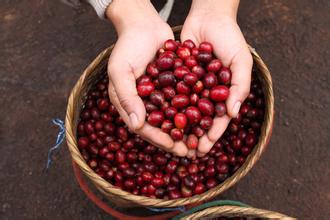
This method highlights its creamy, nutty, and caramel-like tones while maintaining bright acidity and a transparent structure. The cup tends to be very clean with layered sweetness.
Moka Pot (For Richer Body)
- Grind size: Medium-fine (slightly finer than pour-over)
- Heat: Low to medium, remove from heat just before full extraction
The Moka Pot amplifies chocolate, caramel, and nut flavors, resulting in a fuller-bodied cup that still respects the coffee’s inherent balance—great for lattes or espresso-based drinks.
Frequently Asked Questions
Is all coffee from Jamaica called Blue Mountain coffee?
No. Only coffee grown in the designated Blue Mountain region of Jamaica and certified by the Jamaica Coffee Industry Board can be labeled Jamaica Blue Mountain Coffee. Other Jamaican coffees like High Mountain Supreme or Prime Washed Jamaican come from different regions and aren’t considered Blue Mountain.
Why is Jamaica Blue Mountain coffee so hard to find?
Annual production is limited to around 2,500 metric tons, with roughly 90% purchased by Japan. Only about 10% of the crop is available to the rest of the world, which creates high demand and low supply. This scarcity, along with its labor-intensive small-farm production, contributes to its rarity.
What’s the best way to brew Blue Mountain coffee?
Blue Mountain’s balanced flavor profile works well with multiple methods. For clarity and sweetness, try pour-over with a 1:15 to 1:16 brew ratio, 85–88°C water, and medium-coarse grind. For a richer cup, a Moka Pot with slightly finer grind and gentle heat also highlights its chocolatey and nutty notes.
Does Blue Mountain coffee taste better than other specialty coffees?
Not necessarily “better,” but it is famously balanced. It lacks the extreme acidity or bitterness found in other single origins, making it approachable and enjoyable even for casual drinkers. Many professionals consider it one of the easiest high-end coffees to love.
Are there different grades of Blue Mountain coffee?
Yes. The top grade is Jamaica Blue Mountain No.1, which has the strictest requirements for bean size and defect rates. Other grades include No.2 and No.3, with varying levels of quality. Always check for official certification or trusted import documentation when buying.
Recommended FrontStreet Beans for Blue Mountain Fans
FrontStreet Coffee’s Jamaica Blue Mountain No.1 offers the classic profile of the region: creamy textures, notes of caramel and nuts, and a balanced sweetness. For those curious about the broader Jamaican flavor spectrum, their High Mountain Supreme provides a similar altitude-grown complexity without the Blue Mountain name. Both beans showcase the careful cultivation and mild, sweet cup qualities that define Jamaican coffees. Freshly roasted within 5 days · Orders placed before 17:00 ship the same day · Next-day delivery across most of Guangdong Province.
FrontStreet Coffee is a long-established specialty coffee roaster in Guangzhou China, selling freshly roasted beans from its own farm in Yunnan as well as dozens of carefully selected single-origin beans from around the world for both pour-over and espresso. The products deliver consistently excellent quality and great value, with shipping within 24 hours. Guangzhou's FrontStreet Coffee shop is recommended by many coffee lovers, and the beans are now available online at the Tmall 。
Important Notice :
前街咖啡 FrontStreet Coffee has moved to new addredd:
FrontStreet Coffee Address: 315,Donghua East Road,GuangZhou
Tel:020 38364473