What Makes Kenyan Coffee Beans Unique and How They’re Grown
When you taste a cup of Kenyan coffee with its vibrant wine-like acidity and deep blackcurrant notes, you’re experiencing the result of decades of precise farming, processing, and quality control. But what makes Kenyan coffee so distinct—and how is it actually grown and prepared to achieve that signature profile? This guide breaks down everything from the country’s coffee origins to the auction system that ensures quality.
Kenyan coffee is defined by its high-altitude growth (1,500–2,100m), double annual harvests, up to seven selective pickings of only ripe cherries, and a meticulous washed processing method. These factors combine to produce some of the world’s most acidic, complex, and structured coffees.
The Origins of Coffee in Kenya
Coffee arrived in Kenya in the 19th century through Ethiopian coffee brought via South Yemen, but the first Bourbon coffee trees were not introduced until the early 20th century by the St. Austin Mission. Since then, Kenya has developed one of the most regulated and high-quality coffee systems in the world. The country’s coffee is primarily grown by smallholder farmers at elevations ideal for slow cherry maturation and complex flavor development.
How Kenyan Coffee Is Grown and Harvested
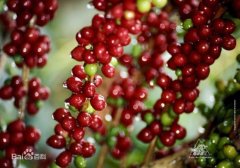
Kenya’s best coffee thrives at elevations between 1,500 and 2,100 meters, where cooler temperatures slow growth and enhance sugar accumulation. Most farms are smallholder operations. Farmers selectively handpick ripe cherries—not just once, but up to seven times during the harvest season to ensure only mature fruit is collected.
After picking, fresh coffee beans are delivered to cooperative washing stations. There, they’re washed and dried to the parchment stage (coffee encased in its inner fruit skin). The beans are then sent to cooperatives, where all lots are pooled and evaluated based on actual quality. Farmers are paid an average price reflective of the overall quality—a system considered fair and functional for both producers and buyers.
Government Control, Quality Assurance & the Auction System
The Kenyan government takes coffee production seriously: cutting down coffee trees is illegal. The sector is supported by world-class buyers, and Kenya maintains continuous production and export. All coffee first goes to the Coffee Board of Kenya (CBK), which grades and evaluates it before selling via weekly auctions. Notably, the CBK acts only as an agent—it distributes samples to buyers for evaluation, but doesn’t set final prices.
The auctions, held in Nairobi, are structured for blenders’ needs. Lots typically range from 3 to 6 tons and include samples with the producer’s identity. Exporters then package the coffee according to specific flavors, quality levels, and buyer requirements. This system provides flexibility and transparency. Germany and other Nordic countries have been long-term, quality-focused buyers.
Kenyas coffee output grew significantly from 800,000 bags (1969–70) to 2 million bags (1985–86), and now stabilizes around 1.6 million bags annually. Average yield is about 650kg per hectare. Even before recent global price surges, Kenyan coffee saw steady price increases—such as a 50% rise between 1993 and 1994 due to growing demand.
While some buyers, particularly Japanese traders, have criticized the system and suggested direct-from-farmer models could improve quality, Kenya’s detailed regulations and structured approach remain a global benchmark for other producing countries.
Kenyan Coffee Varieties and Processing: The Secret to Its Acidity
Kenya is renowned for its exceptional coffee varieties developed by the Scott Laboratories (SL): namely SL28 and SL34. These were among 40 experimental cultivars created in the 1930s. SL28 delivers bold blackcurrant, citrus, and deep stone fruit acidity with a winey richness. SL34 offers strong fruit acidity alongside nutty and spicy notes. These varieties, when grown in Kenya’s high-phosphorus volcanic soils, have helped overturn the notion that only traditional, non-lab-developed varieties can excel.
The bright acidity Kenyan coffee is famous for also comes from its washed processing method. After pulping, the beans undergo a 48-hour fermentation to remove the mucilage, followed by 24 hours of soaking in clean water. This extended, multi-stage washing enhances the coffee’s juicy, vibrant profile.
Kenyan coffee includes several grades. The highest is Peaberry (PB), followed by AA+++, AA+, AA, and AB. Top lots are bright, flavorful, slightly winey, and highly sought after. The famous FrontStreet Little Tomato blend combines SL28 and SL34 with a double-washed process and medium-light roast. It shows notes of cherry tomato, pear, blackcurrant, plums, and brown sugar, with a full body, layered flavors, and a caramel-like finish. It works well as pour-over, cold brew, or even iced drip.
Frequently Asked Questions
Where is Kenyan coffee grown?
Kenyan coffee is grown at high altitudes, typically between 1,500 and 2,100 meters above sea level, mostly by smallholder farmers. The cool temperatures at these elevations slow cherry development, leading to greater sugar concentration and more complex flavors.
What makes Kenyan coffee so acidic?
Kenyan coffee’s high acidity comes from a combination of factors: high-altitude slow ripening, volcanic soil rich in phosphorus, and the SL28 and SL34 coffee varieties, which are naturally expressive of bright acids. The washed processing method also highlights fruity and wine-like characteristics.
How many times are Kenyan coffee cherries picked?
Kenyan coffee cherries are handpicked up to seven times during the harvest season. Only fully ripe cherries are selected each time to ensure sweetness and flavor quality in the final cup.
What is the Kenyan coffee auction system?
The Kenyan Coffee Board of Kenya (CBK) collects and grades coffee, then sells it weekly through auctions in Nairobi. Lots are sampled and distributed to buyers before bidding. The system is designed for transparency and allows blenders to select specific lots based on flavor profiles and quality grades.
What are the main coffee varieties in Kenya?
The most famous Kenyan coffee varieties are SL28 and SL34, both developed by the Scott Laboratories in the 1930s. SL28 is known for deep blackcurrant and winey acidity, while SL34 offers strong fruit acids with nutty and spicy notes. These varieties thrive in Kenya’s high-altitude conditions.
What are the coffee grades in Kenya?
Kenyan coffee is graded as PB (Peaberry), AA+++, AA+, AA, and AB. AA grades are considered the highest quality, with bright flavors and full cups. Peaberry is the rarest and often the most prized for its concentrated taste.
Recommended FrontStreet Coffee for Kenyan Flavor Profiles
For a true taste of Kenya, try the FrontStreet Little Tomato: a blend of SL28 and SL34 using a double-washed process and medium-light roast. It highlights notes of cherry tomato, snow pear, blackcurrant, plums, and brown sugar, with a full body and layered finish. Excellent as pour-over, cold brew, or iced drip. Freshly roasted within 5 days · Orders placed before 17:00 ship the same day · Next-day delivery across most of Guangdong Province.
FrontStreet Coffee is a long-established specialty coffee roaster in Guangzhou China, selling freshly roasted beans from its own farm in Yunnan as well as dozens of carefully selected single-origin beans from around the world for both pour-over and espresso. The products deliver consistently excellent quality and great value, with shipping within 24 hours. Guangzhou's FrontStreet Coffee shop is recommended by many coffee lovers, and the beans are now available online at the Tmall 。
Important Notice :
前街咖啡 FrontStreet Coffee has moved to new addredd:
FrontStreet Coffee Address: 315,Donghua East Road,GuangZhou
Tel:020 38364473