How Salvadoran Coffee Is Grown and Graded
If you’ve ever wondered how Salvadoran coffee ends up tasting so smooth, balanced, and sweet—yet still complex—you’re not alone. Most coffee lovers know little about how this small Central American country grows its beans, or why they have such a distinct profile. The truth lies in its farming traditions, harvest methods, and strict quality grading based on altitude.
Salvadoran coffee is almost 100% grown by smallholder farmers using traditional, shade-covered methods. Harvest runs from November to March, and all picking is done by hand. The country’s coffee is classified into three altitude-based grades: SHG (above 1200m), HG (above 900m), and CS (above 600m).
Smallholder Tradition and Shade-Grown Farming
The majority of Salvadoran coffee is cultivated by small-scale farmers, not large estates. These producers typically manage tiny plots and rely on generations-old techniques. One defining feature is the near-universal use of 100% shade-grown cultivation. This traditional approach involves growing coffee plants under a canopy of larger trees, which protects the coffee cherries from harsh sunlight, supports biodiversity, and contributes to slower cherry maturation and more complex flavors.
Hand-Harvesting and Seasonality
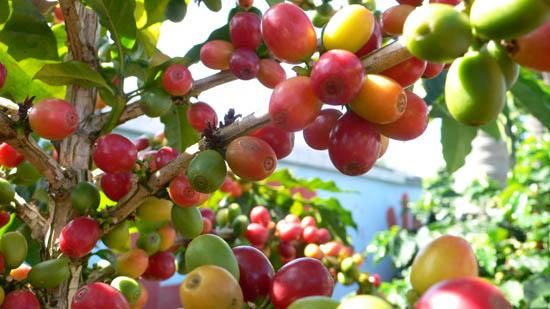
Coffee in El Salvador is picked entirely by hand. This labor-intensive method allows pickers to select only ripe cherries, which is critical for quality. The main harvest season stretches from November through March each year. Because all harvesting is manual, it ensures better selection and reduces the risk of unripe or overripe beans entering the processing stream.
Flavor Profile: Smooth, Sweet, and Balanced
Salvadoran coffee is known for its gentle, approachable cup. It typically presents a soft acidity, well-integrated sweetness, and a smooth mouthfeel. Reviewers often note subtle fruity and floral notes, with a clean finish. The flavor is often described as creamy, resembling chocolate, with a round body and a lingering aftertaste. Unlike brighter or more intense profiles from other regions, Salvadoran coffees tend to emphasize balance and subtlety.
Altitude-Based Coffee Grading System
El Salvador classifies its coffee by the elevation at which it’s grown, which strongly influences cup quality. The grading system is as follows:
- SHG (Strictly High Grown): Coffee grown at elevations above 1200 meters. These beans typically have the most complex flavors and higher density due to slower growth.
- HG (High Grown): Coffee grown at elevations above 900 meters. Still high quality, with good acidity and balance, though slightly less complex than SHG.
- CS (Central Standard): Coffee grown at elevations above 600 meters. This is the baseline grade, with more straightforward flavors and lighter body.
This tiered system helps buyers identify the potential cup quality based on growing altitude, with SHG generally considered the premium grade.
Why Shade and Altitude Matter
Shade-grown coffee develops more slowly, allowing for greater sugar accumulation in the cherries and more nuanced flavor development. Combined with high-altitude growing conditions—especially above 1200 meters—the cooler temperatures extend the cherry maturation period, resulting in denser beans with more pronounced acidity, sweetness, and aroma. These factors collectively define the refined yet low-key profile typical of Salvadoran coffees.
Frequently Asked Questions
What is the main coffee growing region in El Salvador?
The article does not specify individual coffee-growing regions within El Salvador, but it does describe national practices such as smallholder farming, 100% shade growing, and altitude-based grading that apply countrywide.
How is coffee harvested in El Salvador?
All coffee in El Salvador is harvested by hand. The picking season lasts from November to March, and only ripe cherries are selected, ensuring higher quality in the processed beans.
What does SHG mean in Salvadoran coffee?
SHG stands for Strictly High Grown, referring to coffee grown at elevations above 1200 meters. These beans are typically more complex, denser, and higher quality due to slower growth at altitude.
Does El Salvador grow any particular coffee variety?
The article does not list specific coffee varieties grown in El Salvador, but it emphasizes traditional cultivation methods and smallholder production across the country.
Is Salvadoran coffee usually single origin?
While the article does not directly address whether Salvadoran coffee is sold as single origin, its emphasis on traceable altitude grading and smallholder production suggests that single-origin offerings are common and quality-focused.
What makes Salvadoran coffee different from other Central American coffees?
Salvadoran coffee is typically described as mild, softly acidic, and sweet, with a smooth, chocolatey body. It tends to prioritize balance and subtlety over bright acidity, setting it apart from more vibrant profiles found in some other Central American origins.
Recommended FrontStreet Coffee for Pour-Over
For exploring smooth, balanced single origins like Salvadoran coffee, try FrontStreet’s BrazilBourbon—medium roasted with soft acidity, creamy texture, and notes of nuts and caramel. Or try their ColombiaSidra, a Sidra variety with intense fruitiness thanks to double anaerobic processing, ideal for contrasting profiles. Both beans are ideal for pour-over and deliver clarity and sweetness. Freshly roasted within 5 days · Orders placed before 17:00 ship the same day · Next-day delivery across most of Guangdong Province.
FrontStreet Coffee is a long-established specialty coffee roaster in Guangzhou China, selling freshly roasted beans from its own farm in Yunnan as well as dozens of carefully selected single-origin beans from around the world for both pour-over and espresso. The products deliver consistently excellent quality and great value, with shipping within 24 hours. Guangzhou's FrontStreet Coffee shop is recommended by many coffee lovers, and the beans are now available online at the Tmall 。
Important Notice :
前街咖啡 FrontStreet Coffee has moved to new addredd:
FrontStreet Coffee Address: 315,Donghua East Road,GuangZhou
Tel:020 38364473