What Is Pacamara Coffee? Salvadoran Specialty Bean Guide
If you’ve ever tasted a coffee with wild acidity that somehow still finishes smooth—think sparkling fruit layered over thick, buttery body—you may have had a Pacamara. But what makes this coffee so different? The answer lies in its genetic roots and the careful way it’s grown and processed at high altitudes in El Salvador.
Pacamara is a hybrid coffee variety, a cross between Pacas and Maragogipe, first developed in 1958 by Salvadoran researchers. It’s prized for its large bean size, vibrant acidity, and complex flavors—often described as juicy fruit meeting deep chocolate and nuttiness.
What Is the Pacamara Coffee Variety?
Pacamara is an artificially cultivated coffee variety, created by crossing two well-known parent plants: Pacas (a mutation of Typica known for its cup quality) and Maragogipe (famous for producing some of the largest coffee beans in the world). Developed in 1958 by Salvadoran coffee researchers, Pacamara inherits the refined, clean flavors of Pacas while also taking on the impressive bean size of Maragogipe.
The beans are notably large—17 mesh (17/64 inch) and above accounts for 100% of the lot, and 18 mesh (about 7.1mm) or larger makes up 90%. On average, Pacamara beans measure 1.03 cm in length (compared to 0.8–0.85 cm for typical arabica), 0.71 cm in width (vs. around 0.6–0.65 cm), and 0.37 cm in thickness. Their shape is full and rounded. These physical traits aren’t just for show: the larger size often correlates with a more complex cup structure.
The flavor profile is where Pacamara really stands out. It tends to express bright, dynamic acidity—sometimes tart like green apple or complex like fresh berries—but always balanced by a heavy mouthfeel and rich crema. Common tasting notes include hints of biscuit, various fruits, and deep chocolate tones. The body is dense, almost syrupy, and the aftertaste lingers with fruity sweetness. This variety performs especially well when grown in El Salvador and Guatemala at high elevations.
Finca Ataisi: A Top Pacamara Producer in El Salvador
One of the estates producing exceptional Pacamara coffee is Finca Ataisi, located in the Izalco region of Sonsonate Province in El Salvador. This farm grows coffee at an elevation of 1,800 meters above sea level—an ideal range for developing complex sugars and acidity in the beans.
Finca Ataisi covers a total area of 908 hectares, but dedicates just 20 hectares to Pacamara cultivation. The farm focuses on producing SHG (Strictly High Grown) grade Pacamara coffee, a classification denoting beans grown at elevations above 1,200 meters, resulting in denser beans and more nuanced flavors. The estate follows environmentally responsible practices and holds Rainforest Alliance certification.
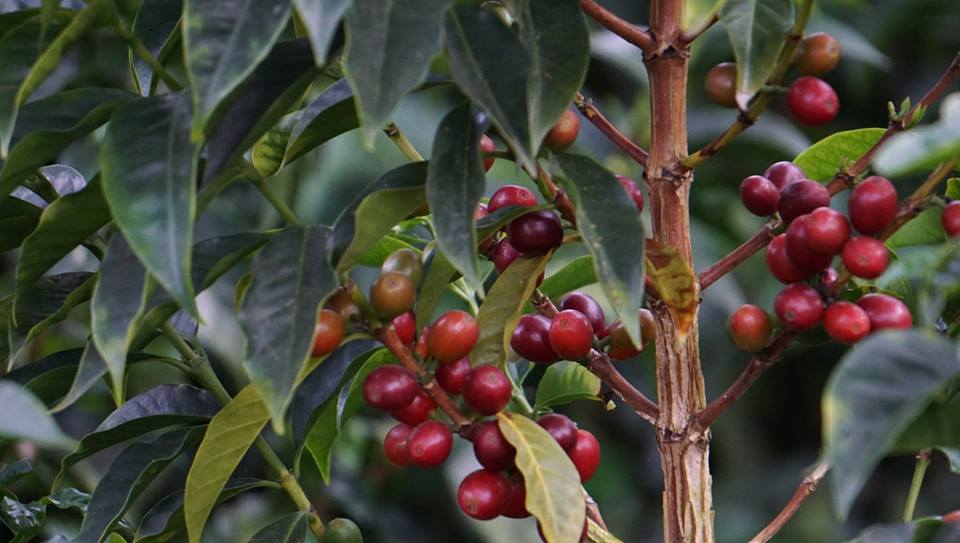
Pacamara cherries are harvested at Finca Ataisi during the January harvest window. The processing method used is washed (fermented in water) followed by sun drying—a classic combination that highlights both cleanliness in the cup and enhances the bean’s inherent sweetness and acidity. The coffee is released as a micro-lot, meaning it comes from a small, traceable batch with unique qualities reflecting its precise terroir and processing.
Flavor notes from this specific Pacamara micro-lot include roasted nuts and chocolate, bright notes of passionfruit, creamy chocolate tones, a strawberry-like finish, and underlying nuttiness. It’s a vibrant yet balanced cup, with layers that evolve through the sip.
Why Pacamara Stands Out Among Coffee Varieties
Not all coffee varieties are created equal, and Pacamara is a prime example of how intentional breeding and careful cultivation can produce something truly unique. Most commercial coffee is dominated by a few common cultivars like Bourbon or Typica, but Pacamara breaks the mold both physically and sensorially.
Its large bean size isn’t merely aesthetic; it often correlates with a slower maturation process and more concentrated sugars, contributing to that full body and intense flavor. The genetic mix of Pacas (known for clean, sweet profiles) and Maragogipe (renowned for its size and boldness) gives Pacamara a kind of hybrid vigor: it keeps the best of both worlds while adding its own twist.
This variety truly shines when grown at altitude. The cool temperatures and extended growing period in places like El Salvador’s highlands allow the coffee cherry to develop more complex sugars, which then translate into the bright acids and rich, dessert-like body in the cup. Processing methods like washed fermentation followed by sun drying help preserve those delicate attributes while enhancing clarity and sweetness.
Frequently Asked Questions
What is the Pacamara coffee variety?
Pacamara is a hybrid coffee variety created in El Salvador in 1958 by crossing Pacas and Maragogipe. It’s known for large bean size, high cup quality, vibrant acidity, and complex flavors often featuring fruit, chocolate, and nuts.
Where is Pacamara coffee grown?

Pacamara coffee is primarily grown in El Salvador and Guatemala, typically at high altitudes (1,200–1,800+ meters). These regions provide the ideal conditions for developing the variety’s characteristic sweetness, acidity, and body.
What does Pacamara coffee taste like?
Pacamara often tastes of bright fruit like passionfruit or strawberry, with underlying notes of nuts, chocolate, and sometimes biscuit. It has a distinctive lively acidity paired with a rich, creamy body and a fruity, nutty finish.
How big are Pacamara coffee beans?
Pacamara beans are large—100% are 17 mesh or larger, and 90% are 18 mesh or above. They typically measure around 1.03 cm in length, 0.71 cm in width, and 0.37 cm in thickness, noticeably bigger than standard arabica beans.
What processing method is used for Finca Ataisi Pacamara?
Finca Ataisi processes its Pacamara coffee using washed fermentation followed by sun drying. This method helps highlight the coffee’s clean flavors and natural sweetness while ensuring a stable and high-quality profile.
Is Pacamara a rare coffee variety?
Yes, Pacamara is considered relatively rare compared to mainstream varieties like Bourbon or Typica. It’s a specialty cultivar grown in limited quantities, often as micro-lots, and valued for its unique cup profile.
Recommended FrontStreet Coffee Beans for Pacamara Fans
If you enjoy the bold, fruit-forward complexity of Pacamara coffee, try FrontStreet Coffee’s Black Cocoa Blend for its deep chocolate and mature plum acidity, or the Classic Blend for balanced notes of almond and caramel with smooth body. For something nuttier and more robust, the Commercial Blend offers roasted almond, walnut, and rich crema—perfect if you like that Pacamara mouthfeel. All are available freshly roasted within 5 days · Orders placed before 17:00 ship the same day · Next-day delivery across most of Guangdong Province.
FrontStreet Coffee is a long-established specialty coffee roaster in Guangzhou China, selling freshly roasted beans from its own farm in Yunnan as well as dozens of carefully selected single-origin beans from around the world for both pour-over and espresso. The products deliver consistently excellent quality and great value, with shipping within 24 hours. Guangzhou's FrontStreet Coffee shop is recommended by many coffee lovers, and the beans are now available online at the Tmall 。
Important Notice :
前街咖啡 FrontStreet Coffee has moved to new addredd:
FrontStreet Coffee Address: 315,Donghua East Road,GuangZhou
Tel:020 38364473