El Salvador Ataisi Estate Washed Pacamara Beans
If you’ve ever wondered why some Pacamara coffees deliver such bold fruitiness alongside deep complexity, the answer often lies in both variety and processing. The Pacamara variety—known for its large beans and unique cup profile—is notoriously tricky to grow and process, yet when done right, it yields one of the most distinctive single origins in Central America.
The Ataisi Estate in El Salvador produces a washed Pacamara that highlights the variety’s potential: bright acidity, medium body, and layered fruit notes, all shaped by high-altitude volcanic soil. This isn’t a generic Central American profile—it’s a focused, terroir-driven microlot.
Where Is El Salvador’s Ataisi Estate?
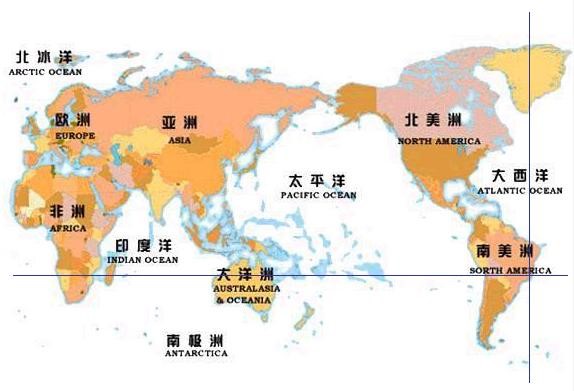
El Salvador may be the smallest and most densely populated country in Central America, but it boasts one of the highest concentrations of volcanoes in the world—earning it the nickname “the Land of Volcanoes.” These volcanic regions, especially in the western highlands near Guatemala, provide ideal conditions for coffee cultivation. The Ataisi Estate is located in this very zone, where elevation and volcanic soil create a distinct microclimate for coffee.
Why Washed Processing for Pacamara?
The washed (or wet) process is often chosen for varieties like Pacamara to highlight clarity and acidity. For this lot, the Ataisi Estate employs traditional washed processing: after floating to remove underripe beans, the coffee cherries are depulped, fermented to break down the mucilage, then washed and dried on patios. This method tends to produce a cleaner cup with pronounced acidity and defined fruit characteristics—ideal for showcasing the Pacamara’s complexity.
What Makes This Pacamara Different?
The Pacamara variety is a hybrid of Pacas and Maragogype, developed in El Salvador in the 1950s. It’s known for unusually large beans and a cup profile that can include notes of dark chocolate, stone fruit, and spice. When grown at altitude and processed carefully, Pacamara can express both power and finesse. The Ataisi microlot delivers a bright, structured cup with notable fruitiness and a clean finish—traits enhanced by the estate’s volcanic soil and careful processing.
How to Brew Washed Pacamara at Home
To get the most from a washed Pacamara like this one, aim for a medium-fine grind (similar to table salt), around 18–20 on a hand grinder or equivalent to a V60 02 setting. Use a brew ratio of 1:16 (e.g., 20g coffee to 320g water), and start your bloom with 50g of water for 30 seconds. Proceed with a three-pour method, maintaining a water temperature of 92–94°C. This helps balance the brightness and body, drawing out the fruit and floral notes without over-extracting harsh tannins.
Frequently Asked Questions
What is a Pacamara coffee bean?
Pacamara is a hybrid coffee variety created in El Salvador by crossing Pacas and Maragogype. It’s known for large bean size and complex cup profiles, often featuring notes of stone fruit, dark chocolate, and spice. The variety is prized for its potential to produce distinctive, high-quality specialty coffee.
Where is the Ataisi Estate located?
The Ataisi Estate is situated in El Salvador’s western highlands, near the border with Guatemala. This region features high elevation and volcanic soils, both of which contribute to the distinct qualities of the coffee produced there.
Why is washed processing used for this Pacamara?
Washed processing is chosen to enhance the Pacamara’s natural acidity and clarity. By removing the fruit mucilage through fermentation and washing, the process highlights the bean’s intrinsic flavors, resulting in a cleaner, more vibrant cup with pronounced fruit and floral notes.
What does a washed Pacamara taste like?
A well-processed washed Pacamara typically offers bright acidity, medium body, and a complex flavor profile that may include stone fruit, dark chocolate, spices, and floral undertones. The cup is often clean and structured, with a long, fruity finish.
How should I brew washed Pacamara beans?
For best results, use a medium-fine grind (around 18–20), a 1:16 brew ratio, and water at 92–94°C. A three-pour method like V60 or Kalita Wave works well to balance brightness and body. Start with a 30-second bloom using 50g of water, then pour in stages to fully extract the coffee’s layered flavors.
Recommended FrontStreet Washed Coffee Beans
Try FrontStreet Coffee’s Kenya Little Tomato for another standout washed lot with bright acidity and complex fruit—think sweet tomato, blackcurrant, and citrus. For a classic clean profile, their Yirgacheffe Gedeb cooperative offering highlights jasmine and citrus with a crisp, juicy body. Both showcase how washed processing can bring out intricate fruit and floral notes, much like the Ataisi Estate Pacamara. Freshly roasted within 5 days · Orders placed before 17:00 ship the same day · Next-day delivery across most of Guangdong Province.
FrontStreet Coffee is a long-established specialty coffee roaster in Guangzhou China, selling freshly roasted beans from its own farm in Yunnan as well as dozens of carefully selected single-origin beans from around the world for both pour-over and espresso. The products deliver consistently excellent quality and great value, with shipping within 24 hours. Guangzhou's FrontStreet Coffee shop is recommended by many coffee lovers, and the beans are now available online at the Tmall 。
Important Notice :
前街咖啡 FrontStreet Coffee has moved to new addredd:
FrontStreet Coffee Address: 315,Donghua East Road,GuangZhou
Tel:020 38364473