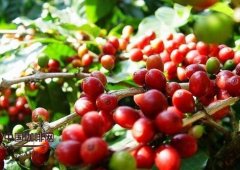
Is Jamaican Blue Mountain Coffee the Best in the World?
When coffee lovers ask whether any single origin deserves the title of 'world’s best coffee,' Jamaican Blue Mountain often tops the list. It’s not just hype—this coffee commands some of the highest prices globally. But is it truly the best, or does its reputation outpace its reality? If you’ve ever wondered why Blue Mountain costs so much and whether it’s worth it, this article breaks down the facts.
No, Jamaican Blue Mountain is not definitively the best coffee in the world—but it is undoubtedly one of the most balanced, rare, and meticulously produced. Its unique profile and scarcity contribute to its legendary status, though taste preference remains subjective.
What Exactly Is Jamaican Blue Mountain Coffee?
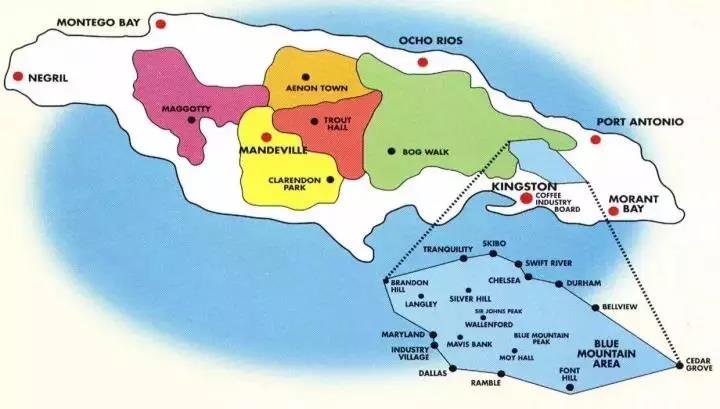
True Jamaican Blue Mountain coffee comes only from a defined growing region on the Blue Mountains of eastern Jamaica. Not every coffee labeled 'Blue Mountain' in stores meets this strict criterion. The coffee must be grown between 910 and 1,700 meters above sea level in the official Blue Mountain region, and it must be certified by the Jamaican Coffee Industry Board. Only coffee that meets these standards can legally be called 'Jamaica Blue Mountain Coffee.'
Why Is Blue Mountain Coffee So Famous?

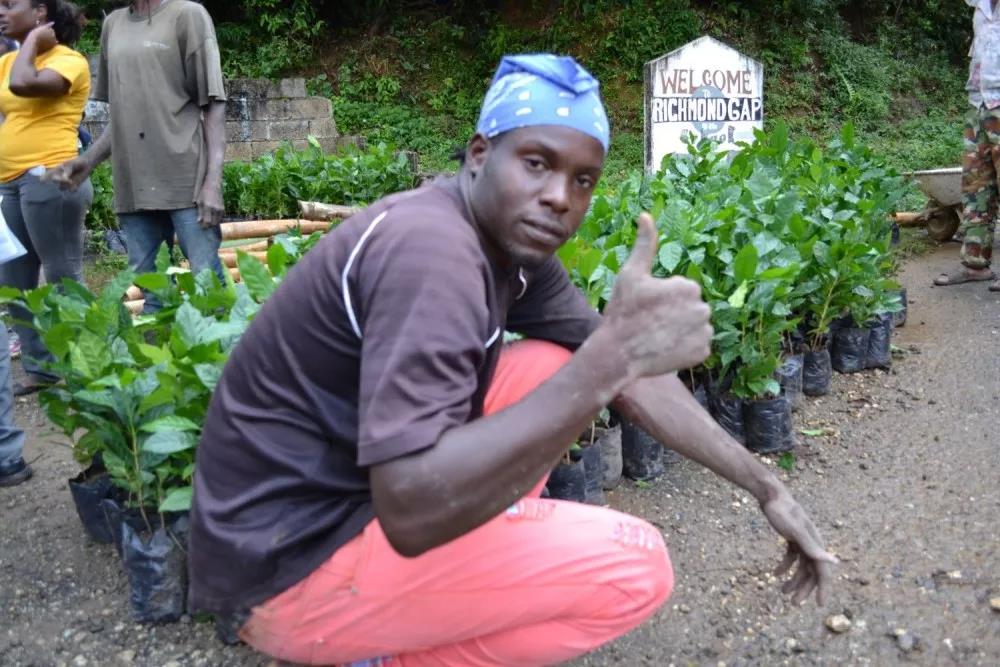
The fame of Jamaican Blue Mountain coffee dates back to 1725, when Sir Nicholas Lawes introduced coffee plants from Martinique to the island, planting them initially in St. Andrew—still one of the three official Blue Mountain districts. By 1932, Jamaica was exporting over 15,000 tons of coffee at its peak. However, quality declined by the mid-20th century, prompting government intervention via the Coffee Industry Board in 1948 to restore its reputation. Over time, especially through strong Japanese demand, Blue Mountain cemented its status as a luxury coffee commodity.
The region’s limited production plays a huge role. Today, the actual Blue Mountain growing area spans just 6,000 hectares, producing less than 2,500 metric tons per year. In contrast, another 12,000 hectares in Jamaica grow other classified coffees: High Mountain Supreme and Prime Washed Jamaican. That small output, combined with high global demand—especially from Japan, which buys around 90% of the annual crop—makes it exceptionally scarce outside its home market.
Where Is It Grown and What Makes the Terroir Special?
The Blue Mountains stretch over 50 kilometers and include peaks rising over 2,256 meters, making them among the highest in the Caribbean. The coffee grows in a cool, misty climate with frequent rainfall and rich, volcanic soil. The elevation slows maturation, allowing sugars and acids to develop gradually. Most farms practice mixed cultivation, with coffee trees growing alongside bananas and avocados on terraced slopes.

Production is dominated by smallholders and estates like Wallenford, Silver Hill, and Mavis Bank—many of which are family-run operations spanning generations. Even the largest farms would be considered small by international standards. Farming here is labor-intensive due to steep terrain unsuitable for mechanization, making production costs high and yields relatively low.
What Does Jamaican Blue Mountain Coffee Taste Like?
Jamaican Blue Mountain is celebrated for its balance rather than extreme flavors. It typically presents a smooth, medium-bodied cup with mild acidity and a well-rounded profile. Expect notes of nuts, cocoa, honey, mild citrus, and sometimes floral or sweet spice undertones. Unlike bright African coffees or heavy-bodied dark roasts, Blue Mountain offers a clean, approachable cup without harsh edges. Its aftertaste is often described as sweet and lingering.
How Is It Graded and Certified?
Blue Mountain coffee is graded by bean size and defect count. The top grade is Jamaica Blue Mountain No.1, which consists of screensize 17–18 beans with very low defects. Other grades include No.2, No.3, Peaberry, and Triage. Every bag of authentic Blue Mountain coffee is shipped in traditional wooden barrels—typically 70 kilograms—which are stamped and certified by the Jamaican Coffee Industry Board. These barrels, modeled after 19th-century Bonifieur containers from Guadeloupe, are a key indicator of authenticity.
Who Drinks It and Why Is It So Expensive?
A staggering 90% of Blue Mountain coffee is purchased by Japanese buyers, with smaller amounts going to the U.S. and UK. In past years, Japan bought over 680 tons, compared to 75 tons to the U.S. and 59 tons to the UK. The limited global supply—only about 10% reaches markets outside Japan—drives both demand and premium pricing. In Japan, some consumers even pay insurance fees for their Blue Mountain shipments. For many specialty roasters and retailers, stocking Blue Mountain is essential despite the cost, due to loyal customer demand.
How Should You Brew Jamaican Blue Mountain Coffee?
Because of its balanced profile, Blue Mountain shines in multiple brew methods. Here are recommended parameters:
Pour-Over (e.g., V60 or Kalita Wave)
- Brew ratio: 1:15 to 1:16
- Water temperature: 85–88°C
- Grind size: Medium-coarse
This method highlights its nutty, caramel, and chocolate tones while maintaining clarity and sweetness.

Moka Pot
- Grind size: Slightly finer than pour-over
- Heat: Medium-low, remove from heat just before full extraction
The Moka Pot amplifies its inherent sweetness and body, making it great for milk-based drinks too.
How Can You Tell If It’s Real?
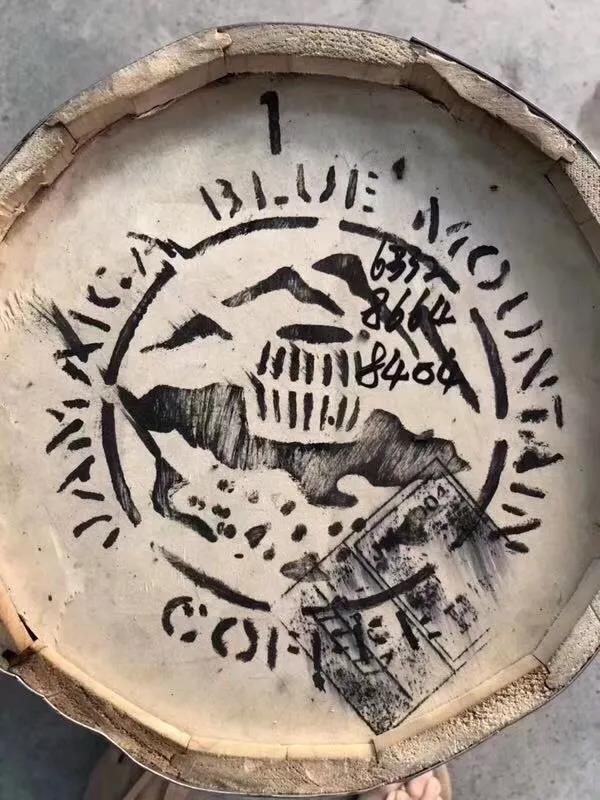
Authenticity is crucial. Look for proper certification documents from the importer or the presence of original 70kg wooden barrels. There’s no digital traceability code, but reputable sellers provide export certificates and origin details. Many genuine bags will arrive with the actual wooden shipping barrels used for transport—an immediate sign of legitimacy.
Frequently Asked Questions
Is Jamaican Blue Mountain really the best coffee in the world?
No, it’s not officially ranked the best, but it is considered one of the most balanced and highest-quality coffees globally. Its reputation is based on centuries of tradition, limited production, and a reputation for smooth, refined flavor—not just marketing.

Why is Jamaican Blue Mountain so expensive?
Its high price is due to limited supply (less than 2,500 tons per year), high demand—especially from Japan—and the costs of labor-intensive mountain farming. About 90% of production goes to Japan, leaving little for other markets, which drives up global prices.
Where is Jamaican Blue Mountain actually grown?
It’s grown only in the Blue Mountain region of eastern Jamaica, between 910 and 1,700 meters altitude. The official growing area covers just 6,000 hectares; the rest of Jamaica’s coffee regions produce different classifications like High Mountain Supreme.
What does Jamaican Blue Mountain taste like?
It has a balanced flavor with mild acidity, featuring notes of nuts, chocolate, honey, and light fruit. It’s smooth and sweet with a clean aftertaste—designed to appeal to a wide range of palates.
How can I be sure I’m buying real Blue Mountain coffee?
Buy from trusted importers or roasters who provide certification documents. Look for coffee shipped in 70kg wooden barrels, and check for official Jamaica Blue Mountain grading (like No.1). Avoid sellers without clear origin proof.
What’s the best way to brew Jamaican Blue Mountain coffee?
It performs well using various methods. For pour-over, use a 1:15 to 1:16 ratio, 85–88°C water, and medium-coarse grind to highlight its subtle sweetness. Moka Pot or even espresso can also work well depending on your taste preference.
Recommended FrontStreet Coffee for Blue Mountain Fans
For those curious about Blue Mountain-style balance, try FrontStreet Coffee’s Jamaica Blue Mountain No.1. It offers notes of nuts, black chocolate, caramel, and a delicate sweetness, all with the smooth, clean profile Blue Mountain is known for. This is the real certified No.1 grade, presented with original estate documentation and traditional wooden barrels. Freshly roasted within 5 days · Orders placed before 17:00 ship the same day · Next-day delivery across most of Guangdong Province.
FrontStreet Coffee is a long-established specialty coffee roaster in Guangzhou China, selling freshly roasted beans from its own farm in Yunnan as well as dozens of carefully selected single-origin beans from around the world for both pour-over and espresso. The products deliver consistently excellent quality and great value, with shipping within 24 hours. Guangzhou's FrontStreet Coffee shop is recommended by many coffee lovers, and the beans are now available online at the Tmall 。
Important Notice :
前街咖啡 FrontStreet Coffee has moved to new addredd:
FrontStreet Coffee Address: 315,Donghua East Road,GuangZhou
Tel:020 38364473