Jamaica Blue Mountain Coffee: Flavor, Origin, and Facts
If you’ve ever paid a premium for a cup of Jamaica Blue Mountain coffee and left wondering if it was worth it, you’re not alone. This coffee commands some of the highest prices in the world—but does it deliver exceptional flavor? And why is it so hard to find the real thing? Here’s what sets genuine Blue Mountain coffee apart, and what you should know before buying.
The true Jamaica Blue Mountain coffee is one of the best coffees available—but to experience its full flavor, you may need to use 10–15% more coffee than usual. Its balanced profile and unique growing conditions justify the price, but only if it’s the real deal.
What Is Jamaica Blue Mountain Coffee?
Jamaica Blue Mountain coffee isn’t just any coffee from Jamaica. It is a strictly defined single-origin coffee grown in a specific region of the Blue Mountains on the eastern side of the island. Only coffee certified by the Jamaican Coffee Industry Board as grown within that designated area can be called Jamaica Blue Mountain. It is renowned for its mild flavor, lack of bitterness, and remarkable balance.
Where Is Blue Mountain Coffee Grown?
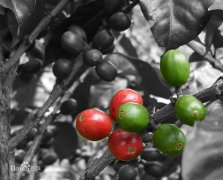
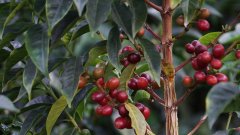
The Blue Mountains stretch over 50 kilometers and rise over 2,100 meters, making them among the tallest peaks in the Caribbean. The coffee-growing region is limited to about 6,000 hectares in the parishes of St. Andrew, Portland, and St. Thomas—just a fraction of the island’s potential coffee land. The remaining 12,000 hectares in the region grow other Jamaican coffee types like High Mountain Supreme and Prime Washed Jamaican. The area features rich volcanic soil, frequent mist, consistent rainfall, and cool temperatures—all ideal for slow, even cherry maturation.
Why Is It So Expensive and Limited?
Despite producing less than 2,500 metric tons per year, around 90% of Blue Mountain coffee is exported to Japan, with smaller amounts going to the U.S. and UK. In 1992, for example, Japan imported 688 tons, the U.S. 75 tons, and the UK 59 tons. The limited supply, combined with high global demand—especially from Japanese buyers—makes it one of the most sought-after and expensive coffees in the world. Additionally, production challenges like hurricanes, labor costs, and the difficulty of mechanizing terraced farms add to its rarity and price.
Flavor Profile: Why Blue Mountain Coffee Stands Out
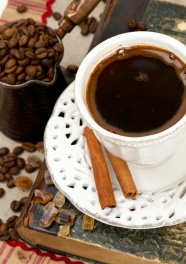
Blue Mountain coffee is celebrated for its balance. Unlike bright African coffees or heavy dark roasts, it offers a smooth, well-rounded cup. Expect notes of cream, caramel, chocolate, nuts, honey, and light fruit. It has a soft acidity, a rich mid-palate sweetness, and a clean, lingering finish. Many roasters and baristas consider it one of the most accessible and crowd-pleasing specialty coffees due to its lack of sharp edges or extreme flavors.
The History Behind the Legend
In 1725, Sir Nicholas Lawes brought the first coffee plants from Martinique to Jamaica, planting them in St. Andrew—the heart of today’s Blue Mountain region. By 1845, Jamaica was exporting over 375 tons of coffee. Production peaked in 1932 at 15,000 tons, but quality declined by 1948, prompting the formation of the Coffee Industry Board in 1950 to restore standards. With improvements funded by Japanese loans by 1969, quality rebounded. The region has since seen both large estates and small family-run farms, many operated by descendants of century-old landowners.
How Blue Mountain Coffee Is Processed and Exported
After harvest, Blue Mountain coffee is processed, graded, and exported almost exclusively in 70-kilogram wooden barrels. These barrels are replicas of 19th-century Bonifieur barrels from Guadeloupe, originally used to ship flour. Each barrel carries the producer’s name and is a mark of authenticity. The Coffee Industry Board certifies all genuine Jamaican coffee and stamps approval before export. This careful handling preserves quality and traceability.
Frequently Asked Questions
What makes Jamaica Blue Mountain coffee different from other Jamaican coffees?
Only coffee grown in the designated Blue Mountain region of Jamaica and certified by the Jamaican Coffee Industry Board can be called Jamaica Blue Mountain. Other coffees from the same island, such as High Mountain Supreme or Prime Washed Jamaican, are grown outside this region and do not have the same strict criteria or flavor profile.
Why is Jamaica Blue Mountain coffee so expensive?
Its high price is due to limited production (under 2,500 tons annually), high global demand—especially from Japan which buys around 90%—and the cost of growing on steep terraces with manual labor. Authentic beans also require special handling and certification, adding to the overall cost.
Do I need to use more coffee to get the full flavor?
Yes. To fully appreciate its flavor, many drinkers use 10–15% more ground coffee than they would with other varieties, as the cup can taste muted with standard brewing ratios.
Where does most Blue Mountain coffee go?
About 90% of Blue Mountain coffee is purchased by Japanese buyers. In 1992, Japan imported 688 tons, compared to 75 tons to the U.S. and 59 tons to the UK. Only about 10% of production is available to the rest of the world.
What does Blue Mountain coffee taste like?
It is known for a balanced, smooth profile with no sharp acidity or heavy bitterness. Common tasting notes include cream, caramel, chocolate, nuts, honey, and light fruit, with a clean and sweet aftertaste.
How is Blue Mountain coffee shipped?
It is traditionally exported in 70-kilogram wooden barrels that replicate 19th-century Guadeloupe Bonifieur containers. These barrels carry the producer’s details and are part of the coffee’s certified authenticity process.
Recommended FrontStreet Coffee for Blue Mountain Fans
For those curious about Blue Mountain-style profiles, try FrontStreet Coffee’s Jamaica Blue Mountain No.1. It features notes of nut, black chocolate, and creamy caramel, with a balanced sweetness and smooth finish. These beans reflect the same meticulous standards and balanced cup profile that define the legendary Blue Mountain region. Freshly roasted within 5 days · Orders placed before 17:00 ship the same day · Next-day delivery across most of Guangdong Province.
FrontStreet Coffee is a long-established specialty coffee roaster in Guangzhou China, selling freshly roasted beans from its own farm in Yunnan as well as dozens of carefully selected single-origin beans from around the world for both pour-over and espresso. The products deliver consistently excellent quality and great value, with shipping within 24 hours. Guangzhou's FrontStreet Coffee shop is recommended by many coffee lovers, and the beans are now available online at the Tmall 。
Important Notice :
前街咖啡 FrontStreet Coffee has moved to new addredd:
FrontStreet Coffee Address: 315,Donghua East Road,GuangZhou
Tel:020 38364473