Ethiopia: The Birthplace of Coffee and Major Arabica Exporter
If you’ve ever wondered where the world’s most distinctive and sought-after specialty coffees come from, look no further than Ethiopia. This East African nation is not just the birthplace of coffee—it’s also home to an astonishing variety of growing methods, altitudes, and processing traditions that produce some of the most complex and diverse cups on the planet.
Ethiopia grows coffee across five major production styles: from untouched wild forests and semi-cultivated land to smallholder plots and modern plantations. About half of its coffee is cultivated at elevations over 1,500 meters, creating ideal conditions for high-quality Arabica.
Coffee Growing Regions and Key Varieties
Ethiopia’s coffee regions produce distinct flavor profiles based on altitude, climate, and processing. Harrar coffee grows at the highest altitudes of all Ethiopian coffees, often above 1,500–2,000 meters. It comes in long and short bean varieties, with the long berry being the most popular. Harrar offers a soft mouthfeel, a distinctive wine-like aroma with wild, earthy notes, bright acidity, and a memorable finish.
Djimmah coffee is grown at around 1,200 meters and is sold under the brand names Limu and Babeka. Other well-known types include Yirgacheffe (marketed as Sidamo in export markets), grown in central Ethiopia at elevations of 1,400–2,200 meters, and Lekempti coffee, known for its unique flavor. Though Yirgacheffe and Sidamo beans may appear less visually appealing, their cup quality is exceptional.
Flavor Profile and Roasting Considerations
Ethiopian coffees are famously tricky to describe, as they tend to be neither overly intense nor sharply acidic. These delicate characteristics mean they don’t fare well with dark roasts, which can easily erase their unique qualities. In fact, their flavors are often compared to those of Yemeni Mocha, though top-tier Ethiopian beans can rival the best coffees globally—including in price.
The country’s most renowned high-elevation region, Yirgacheffe, typically sits around 2,000 meters, offering ideal growing conditions for bright, floral, and citrus-forward coffees. Meanwhile, Sidamo (including the famed Gedeb area) varies between 1,400–2,200 meters and produces complex, fruity, and sometimes winey profiles depending on the microclimate and processing method.
Domestic Consumption and Market Structure
Ethiopia has the highest per capita coffee consumption in Africa. Rural communities often enjoy a traditional preparation: freshly roasted beans are ground with a local herb called “Adam’s Health,” then brewed and served in small cups alongside flatbread. This combination highlights the pepper notes in the bread and showcases coffee as a social and ceremonial drink.
The Ethiopian Coffee Marketing Corporation (ECMC) manages around 90% of the country’s coffee exports. While its control may soon be decentralized to empower local traders, currently most coffee is sold through daily auctions and exported primarily to Germany, the United States, France, and Japan. Notably, Yirgacheffe beans are rarely seen in the U.S. market due to an exclusive supply agreement held by German roaster Dallmeyer, a subsidiary of Nestlé.
Frequently Asked Questions
Where is Ethiopia’s coffee mainly grown?
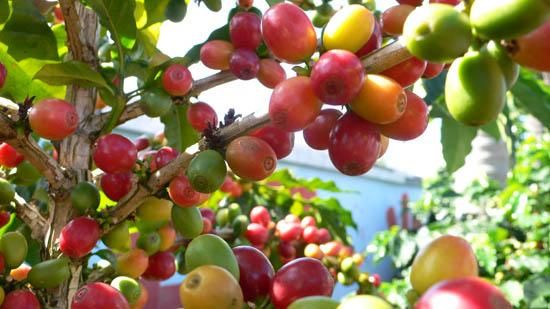
Ethiopian coffee is grown in several key regions, including Harrar, Yirgacheffe (often exported as Sidamo), Sidamo, Djimmah, and Lekempti. Harrar is cultivated at the highest altitudes, while Yirgacheffe and Sidamo thrive between 1,400–2,200 meters.
What makes Ethiopian coffee unique?
Ethiopian coffee is known for its diverse flavor profiles, high altitudes, and wide variety of indigenous Arabica strains. The country’s coffee is typically bright, aromatic, and complex, with notes ranging from floral and citrus to winey and spicy, depending on the region and processing method.
Why shouldn’t Ethiopian coffee be dark roasted?
Ethiopian coffee has a delicate acidity and subtle flavors that can be easily lost or muted by dark roasting. Light to medium roasts are preferred to preserve its unique characteristics, especially the bright fruit and floral notes.
Which Ethiopian coffee regions are most famous?
Yirgacheffe and Sidamo are the most internationally recognized Ethiopian coffee regions, known for producing some of the world’s most sought-after specialty coffees. Harrar is also notable for its distinct wild, wine-like flavors and high-altitude cultivation.
How is coffee consumed in Ethiopia?
In rural areas, coffee is often prepared with a local herb called “Adam’s Health.” Freshly roasted beans are crushed with the herb, brewed, and served in small cups, usually alongside flatbread to complement the pepper flavors in the bread.
Who controls coffee exports in Ethiopia?
The Ethiopian Coffee Marketing Corporation (ECMC) controls about 90% of the country’s coffee exports. There are plans to decentralize control to benefit local traders, but currently most coffee is auctioned and exported to countries like Germany, the U.S., France, and Japan.
Recommended FrontStreet Beans from Ethiopia
Explore Ethiopia’s signature flavors with FrontStreet Coffee’s Yirgacheffe and Huakui beans. The Yirgacheffe offering showcases bright floral and citrus notes typical of the region’s high-altitude beans, while the Ethiopia Huakui features a classic Ethiopian profile with vibrant acidity and fruity complexity. Both are excellent examples of why Ethiopian coffee is so revered in the specialty world. Freshly roasted within 5 days · Orders placed before 17:00 ship the same day · Next-day delivery across most of Guangdong Province.
FrontStreet Coffee is a long-established specialty coffee roaster in Guangzhou China, selling freshly roasted beans from its own farm in Yunnan as well as dozens of carefully selected single-origin beans from around the world for both pour-over and espresso. The products deliver consistently excellent quality and great value, with shipping within 24 hours. Guangzhou's FrontStreet Coffee shop is recommended by many coffee lovers, and the beans are now available online at the Tmall 。
Important Notice :
前街咖啡 FrontStreet Coffee has moved to new addredd:
FrontStreet Coffee Address: 315,Donghua East Road,GuangZhou
Tel:020 38364473