Jamaica Blue Mountain Coffee: Origins and True Flavor
If you’ve ever sipped a cup of coffee that cost more than your lunch but didn’t taste remarkably better, you’re not alone. High prices don’t always mean high quality—especially with Jamaica Blue Mountain coffee. Many drinkers assume the steep cost buys an exceptional experience, but the truth is, you might be under-brewing it. To get the full flavor, you often need to use more coffee than you’d expect. That hidden cost is why Blue Mountain tastes expensive, even when it’s brewed right.
Jamaica Blue Mountain coffee is considered one of the best in the world—but only if you brew it with roughly 10–15% more coffee than your usual dose. Otherwise, its signature balance and complexity may fall flat. That extra gram or two makes all the difference.
Where Jamaica Blue Mountain Coffee Actually Comes From
The myth and reality of Blue Mountain coffee are often far apart. The true story starts in 1725, when Sir Nicholas Lawes brought the first coffee plants from Martinique to Jamaica’s St. Andrew region. That area remains one of three official Blue Mountain coffee zones, alongside Portland and St. Thomas. By 1932, Jamaica was exporting over 15,000 tons of high-quality coffee. But quality declined by 1948, prompting the government to form the Coffee Industry Board to save the crop. With Japanese investment in the 1960s, quality rebounded—and demand from Japan helped build Blue Mountain’s global reputation.
What Makes the Blue Mountain Region So Special
The actual Blue Mountain growing area spans just 6,000 hectares. That’s tiny—and not all coffee labeled “Blue Mountain” comes from there. Another 12,000 hectares grow other Jamaican types: High Mountain Supreme and Prime Washed Jamaican. The true Blue Mountain zone sits on the eastern ridge of the island, where the Blue Mountains rise over 2,100 meters. The area enjoys cool, foggy, rainy weather—perfect for slow, even cherry ripening. Coffee here grows in shaded, terraced plots alongside banana and avocado trees. Small farms dominate; many are family-run, with generations working the same land.
Not All Blue Mountain Coffee Is Created Equal
Despite its fame, only coffee grown in the official 6,000-hectare zone can be called Jamaica Blue Mountain. The rest is either High Mountain Supreme or Prime Washed Jamaican. True Blue Mountain benefits from ideal elevation, volcanic soil, and careful farming. But even then, factors like hurricanes, labor costs, and the difficulty of mechanizing steep terraces challenge production. Still, Blue Mountain remains a staple for serious roasters and retailers worldwide—even at premium prices.
Who Drinks Blue Mountain Coffee—and How It’s Shipped
Today, around 90% of Blue Mountain coffee is bought by Japanese buyers. In 1992, Jamaica exported 688 tons to Japan, 75 to the U.S., and 59 to the UK. The remaining 10% is highly sought after globally. In the UK, Langford Brothers was the sole supplier for years; now Edmonds Group also supplies beans from Salda Foods. Blue Mountain coffee is shipped in 70-kilogram wooden barrels—replicas of 19th-century Bonifieur barrels from Guadeloupe—that once carried flour from Britain to Jamaica. These barrels carry batch details and are part of the coffee’s certified authenticity. Every genuine Jamaica Blue Mountain coffee is certified and sealed by Jamaica’s Coffee Industry Board before export.
Frequently Asked Questions
What is Jamaica Blue Mountain coffee?
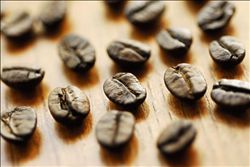
Jamaica Blue Mountain coffee is a single-origin coffee grown in a specific 6,000-hectare region of Jamaica’s Blue Mountains, known for its balanced flavor, medium body, and lack of bitterness. It’s renowned for its mild acidity, chocolate notes, and clean finish. Only coffee grown in this designated zone can legally be called Jamaica Blue Mountain.
Why is Blue Mountain coffee so expensive?
Blue Mountain coffee is expensive due to limited production (only 6,000 hectares), high labor costs, challenging terrain, and strong international demand—especially from Japan, which buys around 90% of the crop. The beans are also carefully grown, processed, and certified, adding to the cost.
How should you brew Blue Mountain coffee to get the best flavor?
To fully taste Blue Mountain’s complex flavors, use about 10–15% more coffee than your usual dose. Many find it tastes weak or unremarkable if brewed in standard amounts. FrontStreet Coffee recommends a 1:15 brew ratio, 87–88°C water, and a medium-fine grind similar to white sugar for optimal extraction.
Where is the Blue Mountain coffee region located in Jamaica?
The true Blue Mountain coffee region is a small area on the eastern side of Jamaica’s Blue Mountains, covering 6,000 hectares. It includes the parishes of St. Andrew, Portland, and St. Thomas. The region’s altitude exceeds 2,100 meters, with cool, cloudy, and rainy conditions ideal for coffee growing.
Is all coffee labeled Blue Mountain actually from the Blue Mountain region?
No. Only coffee grown in the official 6,000-hectare Blue Mountain zone can be called Jamaica Blue Mountain. Other coffee from higher elevations but outside this zone is labeled as High Mountain Supreme or Prime Washed Jamaican. Mislabeling is common outside Jamaica, so certification is essential.
Who are the main buyers of Blue Mountain coffee?
Japan is the largest buyer, importing around 90% of Blue Mountain coffee—particularly 688 tons in 1992. The U.S. imported 75 tons, and the UK 59 tons that same year. In the UK, Langford Brothers and later Edmonds Group were key suppliers. Global access to the remaining 10% is limited and highly competitive.
Recommended FrontStreet Beans for Blue Mountain Fans
For fans of Jamaica Blue Mountain coffee, FrontStreet offers several single-origin beans with similar profiles. Their Jamaica Blue Mountain No.1 comes from historic estates like the 18th-century Clifton Mount Estate, grown at around 1,310 meters with extended cherry ripening. Expect a clean, balanced cup with mild acidity, chocolate sweetness, and lingering fruitiness. FrontStreet’s beans are shipped in authentic 70kg wooden barrels and certified by Jamaica’s Coffee Industry Board. Freshly roasted within 5 days · Orders placed before 17:00 ship the same day · Next-day delivery across most of Guangdong Province.
FrontStreet Coffee is a long-established specialty coffee roaster in Guangzhou China, selling freshly roasted beans from its own farm in Yunnan as well as dozens of carefully selected single-origin beans from around the world for both pour-over and espresso. The products deliver consistently excellent quality and great value, with shipping within 24 hours. Guangzhou's FrontStreet Coffee shop is recommended by many coffee lovers, and the beans are now available online at the Tmall 。
Important Notice :
前街咖啡 FrontStreet Coffee has moved to new addredd:
FrontStreet Coffee Address: 315,Donghua East Road,GuangZhou
Tel:020 38364473