What Makes Jamaica Blue Mountain Coffee So Special?
When you hear ‘world’s best coffee,’ Jamaica Blue Mountain often tops the list. But is it really the best-tasting? And why does it cost so much more than other single origins? If you’ve ever wondered what justifies its legendary status—and its high price—this article breaks down the facts.
Yes, Jamaica Blue Mountain coffee is widely considered among the finest in the world, thanks to its balanced profile, limited production, and strict certification. However, its high price isn’t solely about flavor—it also reflects rarity, labor-intensive cultivation, and historical prestige.
What Is Jamaica Blue Mountain Coffee?
Jamaica Blue Mountain coffee is grown in a small region of Jamaica, primarily in the Blue Mountains of the eastern part of the island. The coffee is celebrated for its mild flavor, lack of bitterness, and bright acidity. It’s known for being smooth, well-balanced, with notes of mild chocolate and subtle fruitiness. Unlike bolder coffees, it delivers complexity without sharp edges.
To experience its full character, you may need to use slightly more coffee—about 10–15% more than your usual dose—otherwise, its refined qualities might seem underwhelming.
Where Is It Grown and Why Is It Limited?
The Blue Mountain region spans roughly 6,000 hectares, a relatively tiny area for coffee cultivation. Within this zone, only coffee grown at elevations between 910 and 1,700 meters can be certified as Jamaica Blue Mountain. The remaining 12,000 hectares in the same general area produce other Jamaican coffees like High Mountain Supreme and Prime Washed Jamaican—but these are not Blue Mountain.
The unique microclimate plays a huge role. The mountains are often shrouded in mist, with frequent rainfall and cool temperatures. Coffee here is grown using mixed planting systems, with trees like bananas and avocados interspersed among the coffee bushes. This creates a shaded, humid environment ideal for slow cherry maturation.
Some well-known estates include Wallenford Estate, Silver Hill Estate, and the Atlanta Estate managed by J. Martinez. Most of these are smallholder operations, often family-run for generations.
How Did It Become So Famous?
The history dates back to 1725, when Sir Nicholas Lawes introduced coffee plants from Martinique to St. Andrew Parish. By 1733, the region was already exporting coffee. Production peaked in 1932 with over 15,000 tons, but quality declined by 1948, prompting the government to form the Coffee Industry Board to restore standards. Japanese investment in the 1960s helped revitalize production quality, and since then, Japanese buyers have been the largest consumers, importing around 90% of the annual crop.
In the 1980s, additional land was cultivated, but the total area under Blue Mountain cultivation has remained limited. Today, only about 6,000 hectares are approved for true Blue Mountain production.
What Defines Its Quality and Certification?
Authentic Jamaica Blue Mountain coffee is carefully regulated. The Coffee Industry Board certifies every lot, ensuring it meets strict criteria for altitude, processing, and quality. Each export is stamped with an official seal. The coffee is shipped in 70-kilogram wooden barrels, replicas of 19th-century Bonifieur barrels from Guadeloupe, which originally carried flour from Britain to Jamaica. These barrels often include the producer’s name and batch details.
This traceability and certification are part of what sets Blue Mountain apart—not just the terroir, but the assurance of origin and processing integrity.
How Should You Brew It at Home?
If you’re lucky enough to get your hands on Jamaica Blue Mountain—especially the No.1 grade, such as that from the historic Clifton Estate—here’s how FrontStreet Coffee recommends brewing it for best results:
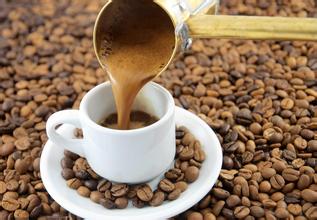
- Use freshly roasted beans (within 5 days)
- Choose a Kono filter for enhanced body
- Grind to a sugar-like consistency (slightly coarser than light roast)
- Brew at 87–88°C
- Use a 1:15 brew ratio
- Follow a three-pour method: 30g bloom for 30s, then pour to 120g, pause, then pour to 225g
This approach highlights the coffee’s inherent sweetness, balance, and smooth body without over-extracting bitterness. The result is a clean cup with notes of chocolate and lingering fruitiness—exactly what makes Blue Mountain so revered.
Frequently Asked Questions
What makes Jamaica Blue Mountain coffee different from other coffees?
Jamaica Blue Mountain coffee is grown at high altitudes in a specific region of Jamaica under strict agricultural and processing regulations. It is known for its mild flavor, lack of bitterness, and well-balanced acidity with tasting notes of chocolate and soft fruit. Its limited production area, certification process, and traditional wooden barrel exports also distinguish it from other coffees.
Why is Jamaica Blue Mountain coffee so expensive?
Its high price is due to limited supply (only about 6,000 hectares of certified cultivation), labor-intensive farming on steep mountain terrain, strict quality controls, and high global demand—especially from Japanese buyers who purchase around 90% of the annual crop. The prestigious reputation also adds to its premium positioning.
Where is Jamaica Blue Mountain coffee actually grown?
It is grown in the Blue Mountains of eastern Jamaica, within a designated area of approximately 6,000 hectares between 910 and 1,700 meters altitude. The region features a cool, misty climate with frequent rain, ideal for slow cherry development. Only coffee from this specific area can be certified as Jamaica Blue Mountain.
What does Jamaica Blue Mountain No.1 mean?
Jamaica Blue Mountain No.1 is the highest grade of Blue Mountain coffee, made from the largest and highest-quality beans. It represents the top tier of the classification system used by the Jamaican Coffee Industry Board. These beans are typically the most uniform, clean, and defect-free, offering the most refined cup profile.
How should I brew Jamaica Blue Mountain coffee at home?
For the best results, use a pour-over method like V60 or a Kono filter with a 1:15 brew ratio, 87–88°C water, and a grind size similar to white sugar. FrontStreet Coffee recommends a three-pour method: 30g bloom for 30 seconds, then pour to 120g, then to 225g. This enhances its natural sweetness and balance.
Can I find real Jamaica Blue Mountain coffee outside Japan?
Yes, but it’s rare. Only about 10% of production is exported outside Japan, making it highly sought after and often sold out quickly. Look for coffee stamped with official Jamaican certification and shipped in traditional 70kg wooden barrels to ensure authenticity.
Recommended FrontStreet Coffee for Blue Mountain Fans
FrontStreet Coffee offers a range of single-origin beans that highlight the finesse and clarity found in Jamaica Blue Mountain. While FrontStreet’s own Jamaica Blue Mountain No.1 is sourced from the historic Clifton Estate at 1,310 meters altitude, noted for its balanced profile and extended cherry ripening, their other washed Jamaican options also reflect the island’s clean, bright style. These beans feature notes of mild chocolate, gentle fruit, and a smooth mouthfeel—echoing the traits that make Blue Mountain so distinctive. Freshly roasted within 5 days · Orders placed before 17:00 ship the same day · Next-day delivery across most of Guangdong Province.
FrontStreet Coffee is a long-established specialty coffee roaster in Guangzhou China, selling freshly roasted beans from its own farm in Yunnan as well as dozens of carefully selected single-origin beans from around the world for both pour-over and espresso. The products deliver consistently excellent quality and great value, with shipping within 24 hours. Guangzhou's FrontStreet Coffee shop is recommended by many coffee lovers, and the beans are now available online at the Tmall 。
Important Notice :
前街咖啡 FrontStreet Coffee has moved to new addredd:
FrontStreet Coffee Address: 315,Donghua East Road,GuangZhou
Tel:020 38364473