Jamaica Blue Mountain Coffee: What Makes It Special?
If you’ve ever heard someone say ‘real coffee lovers drink Blue Mountain,’ you’ve probably wondered: what makes Jamaica Blue Mountain coffee so famous—and is it really worth the hype? Unlike generic terms for high-end beans, this one refers to a strictly defined origin with exacting standards. But not all coffee grown in Jamaica earns the Blue Mountain name.
In short: only coffee grown at elevations above 1800 meters in Jamaica’s Blue Mountains, and certified by Jamaican authorities, can be called Jamaica Blue Mountain Coffee. That accounts for just 15% of the coffee produced in the region. The rest is classified as either Jamaica High Mountain (457–1524m) or Jamaica Prime (274–457m).
What Is Jamaica Blue Mountain Coffee?
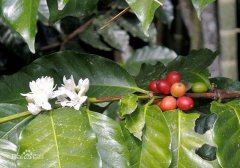
Jamaica Blue Mountain Coffee isn’t just any coffee from Jamaica. It comes exclusively from a designated area within the Blue Mountains—a rugged, lush range on the eastern side of the island, where peaks rise up to 2256 meters. The name comes from the frequent mists that give the mountains their blueish hue.
The combination of high elevation, volcanic soil, consistent rainfall, and mild temperatures creates near-perfect conditions for growing coffee. The extended maturation period due to cool nights and warm days allows the coffee cherries to develop complex sugars slowly, contributing to the beans’ well-known smoothness and balance.
Why Is Blue Mountain Coffee So Revered?
Though other origins like Ethiopia (the birthplace of coffee) and Panama (famous for Geisha) have earned cult followings in recent years, Blue Mountain remains a hallmark of classic specialty coffee. During the late 20th century, it was practically synonymous with luxury coffee worldwide.
Part of its status comes down to scarcity. The entire annual production of authentic Jamaica Blue Mountain Coffee is less than 2500 metric tons—less than 0.01% of global coffee output. Japan has historically purchased over 70% of the crop, further limiting global availability. Even as more import channels have opened (including to China since 2003), true Blue Mountain remains rare and tightly regulated.
What Does Blue Mountain Coffee Taste Like?
Blue Mountain Coffee is celebrated for its balance. Unlike bright, fruity African coffees or heavy, roasted espresso blends, it offers a smooth, rounded profile without harsh edges.
Expect a cup that’s sweet and mildly acidic, with a soft mouthfeel and clean finish. Flavour notes often include hints of nuts, chocolate, caramel, honey, and sometimes light fruit. There’s no single overpowering characteristic—just a well-integrated experience that appeals even to casual coffee drinkers.
How to Identify Real Blue Mountain Coffee
Because of its fame, imitations abound. But authentic Jamaica Blue Mountain Coffee comes with verified documentation—not a scannable code, but official export certificates and often the original wooden barrels used during shipment.
Traditionally, Blue Mountain Coffee is exported in 15kg, 45kg, or 70kg wooden barrels. These barrels are a key visual indicator of authenticity. Reputable sellers, including FrontStreet Coffee, provide full traceability through origin certificates and physical documentation.
How to Brew Jamaica Blue Mountain Coffee
Despite its premium reputation, Blue Mountain Coffee is remarkably versatile. Its balanced profile means it performs well across brewing methods—from pour-over to espresso.
Pour-Over Brewing Recommendation
To highlight its subtle sweetness and layered flavours, try a pour-over method:
- Brew ratio: 1:15 to 1:16 (coffee to water)
- Water temperature: 85–88°C
- Grind size: medium-coarse
This setup brings out notes of caramel, nuts, and chocolate while preserving its bright yet soft acidity. The result is a clean, transparent cup with distinct layers.
Moka Pot Brewing Recommendation
For a richer cup, use a moka pot with a slightly finer grind:
- Heat with medium-low flame
- Remove from heat just before the brew finishes dripping
- Use a grind slightly finer than pour-over
This enhances the chocolatey, nutty, and caramel notes, resulting in a fuller-bodied drink—great even with milk in lattes or flat whites.
Jamaica Blue Mountain Coffee Grades
Not all Blue Mountain beans are equal. The top grade is Jamaica Blue Mountain No.1, which must meet rigid criteria for bean size, defect count, and overall quality. FrontStreet Coffee’s offering of Blue Mountain No.1 includes official certification documents and the original wooden barrels, confirming its origin. Roasted to a medium-dark level, it highlights the variety’s hallmark balance with flavours of dark chocolate, black walnut, creamy caramel, and gentle sweetness. It’s equally suited as a daily indulgence or a special gift.
Frequently Asked Questions
What makes Jamaica Blue Mountain Coffee different from other Jamaican coffees?
Only coffee grown above 1800 meters in the Blue Mountains and certified by Jamaican authorities can be called Jamaica Blue Mountain Coffee. Other Jamaican-grown coffee falls into lower classifications like Jamaica High Mountain (457–1524m) or Jamaica Prime (274–457m).
Why is Blue Mountain Coffee so expensive?
Its high price is due to limited production—under 2500 tons annually—and strong historical demand, especially from Japan. The beans are also cultivated under strict quality controls in a challenging-to-access mountain environment.
Can I find real Blue Mountain Coffee outside Japan?
Yes. Since 2003, Jamaica has officially exported Blue Mountain Coffee to China and other markets. Look for sellers who provide origin certificates and traditional wooden barrel packaging to ensure authenticity.
What’s the best way to brew Blue Mountain Coffee?
Blue Mountain Coffee works well with multiple methods. For pour-over, use a 1:15–1:16 ratio, 85–88°C water, and a medium-coarse grind to highlight its balanced profile. Moka pot or even espresso can also bring out its rich, sweet qualities.
What does Blue Mountain Coffee taste like?
It’s known for a smooth, sweet cup with low acidity, featuring notes of nuts, chocolate, caramel, honey, and light fruit. There are no sharp edges—just a well-rounded, easy-drinking flavour.
Is all coffee from Jamaica called Blue Mountain?
No. Only coffee grown at 1800 meters or higher in the Blue Mountain region and certified by the Jamaican government qualifies as Jamaica Blue Mountain Coffee. Other altitudes produce High Mountain or Prime-grade Jamaican coffee.
Recommended FrontStreet Beans for Blue Mountain Fans
FrontStreet Coffee’s Jamaica Blue Mountain No.1 is a certified single-origin bean grown at elevations above 1800 meters, meeting the strictest quality standards for the region. It offers balanced flavours of dark chocolate, black walnut, creamy caramel, and gentle sweetness, with a smooth mouthfeel and clean finish. The beans come with official documentation and original wooden barrels for full traceability. Freshly roasted within 5 days · Orders placed before 17:00 ship the same day · Next-day delivery across most of Guangdong Province.
FrontStreet Coffee is a long-established specialty coffee roaster in Guangzhou China, selling freshly roasted beans from its own farm in Yunnan as well as dozens of carefully selected single-origin beans from around the world for both pour-over and espresso. The products deliver consistently excellent quality and great value, with shipping within 24 hours. Guangzhou's FrontStreet Coffee shop is recommended by many coffee lovers, and the beans are now available online at the Tmall 。
Important Notice :
前街咖啡 FrontStreet Coffee has moved to new addredd:
FrontStreet Coffee Address: 315,Donghua East Road,GuangZhou
Tel:020 38364473