How to Use the BRIKKA Moka Pot to Make Crema
If you’ve ever tried using a BRIKKA moka pot and ended up with a leaky mess, scalded coffee, or just no crema at all, you’re not alone. This high-pressure aluminum moka pot from Bialetti looks cool but has a reputation for being complicated, finicky, and downright frustrating. Yet, it’s also the only moka pot that can produce something resembling espresso crema—if you know how to use it right.
The BRIKKA moka pot can brew coffee with crema due to its unique pressure system, but only if you assemble it correctly, control the heat precisely, and maintain it well. Below is a complete guide covering its design, how to prevent leaks, essential maintenance, and step-by-step brewing instructions.
What Makes the BRIKKA Different from a Regular Moka Pot?
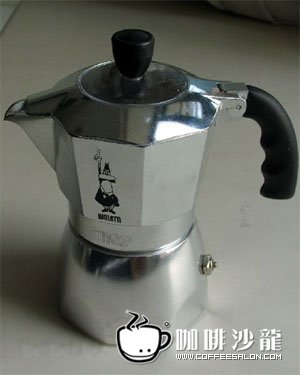
The BRIKKA is Bialetti’s premium aluminum moka pot, evolving from their classic Moka Express. While the standard Moka Express is an eight-sided, entry-level design known for even heat distribution, the BRIKKA introduces several key upgrades that set it apart—and make it much harder to use.
Most noticeably, the BRIKKA features a weighted coffee spout that adds pressure during brewing. This pressure is what allows it to create crema, a feature no other moka pot reliably achieves. However, this also means it operates under much higher internal pressure, making it significantly more difficult to seal and operate—especially the four-cup version.
Inside, the filter plate now includes double rubber gaskets, and the coffee chamber was redesigned in 2002 to use a smaller stainless steel basket with an additional rubber layer. These changes improve brewing precision but also add complexity. If you’ve mastered the BRIKKA, other moka pots will feel easy by comparison.
How to Maintain Your BRIKKA to Prevent Damage
The BRIKKA’s rubber gaskets are its Achilles’ heel—but also its lifeline. With proper care, they can last five to eight years. The biggest risks? Coffee grounds scratching the gaskets during assembly and improper drying leading to oxidation.
Always wipe away loose coffee grounds from the top of the coffee chamber before inserting the filter basket. Use your finger—it’s the best tool to ensure a clean surface. During cleaning, avoid removing the lower gasket unless necessary. If you do, be very careful reassembling it, as misalignment can damage the filter plate.
Instead of unscrewing the lower gasket, clean around it with a small brush, like a toothbrush, under running water to remove trapped coffee particles. After each use, thoroughly dry the pot to prevent oxidized spots on the aluminum. Never dry brew (heat without water), as this will ruin the rubber components. For longevity, use the BRIKKA at least once a month to keep the gaskets hydrated.
How to Completely Prevent Leaks in the BRIKKA

Leaks are the most common issue with the BRIKKA—but they’re not due to defects. They happen when the pot isn’t assembled correctly. The secret lies in the redesigned rubber gaskets and narrower coffee chamber, which require a special “two-stage locking method.”
Here’s the correct way to assemble your BRIKKA:
- Place the base on a flat surface and fill it with water, keeping the level below the safety valve to avoid hot water eruptions.
- Add coffee grounds to the basket, tap lightly to settle them, and wipe off any grounds from the rim.
- Insert the basket into the base and center it carefully so it aligns with the outer edge.
- Screw the upper part onto the base while it’s still on the table. Tighten it as much as possible to lock the basket in place.
- Lift the entire pot and tighten it further by gripping the top rim—not the handle or valve. You should feel resistance and hear slight friction as the rubber gasket compresses fully. That’s how you know it’s sealed.
For a new or unused gasket, soaking it in hot water beforehand can make it more pliable and easier to work with. This two-stage method ensures a proper seal and eliminates leaks.
How to Control Heat and Brew Coffee with the BRIKKA
Brewing with the BRIKKA isn’t just about assembling it right—it’s also about managing heat to get the best flavor and that elusive crema. The brewing process creates two distinct spurts, and adjusting the flame at the right moments is crucial to avoid over-extraction or scorching.
Start with a strong flame to quickly bring the water to temperature, but avoid placing the heat source directly over the center of the base. This prevents the water directly beneath the coffee inlet from boiling too fast and scalding the grounds.
When you hear the first burst (a thick, forced gush of coffee), immediately reduce the heat to medium. This allows the water to generate steam at the right pace for proper extraction. Don’t wait for a “rolling boil”—you won’t hear one clearly on the BRIKKA due to its noisy operation.
Then, when you notice the second spurt and coffee begins flowing steadily into the upper chamber, reduce the flame to low. This final adjustment ensures the coffee finishes brewing gently, preserving crema and avoiding bitterness.
Flavor balance depends heavily on these adjustments. Too much heat too soon leads to thin, over-extracted coffee. Too little heat results in underdeveloped flavor. Mastering the flame is the key to a great BRIKKA brew.
Frequently Asked Questions
Does the BRIKKA really make crema?
Yes, the BRIKKA is designed to create crema due to the pressure generated by its weighted spout and sealed brewing chamber. However, this only works if the pot is assembled and heated correctly. Without proper pressure, you’ll get regular moka pot coffee without crema.
Why does my BRIKKA leak?
Leaks usually happen because the two-part locking method isn’t applied correctly. Make sure to follow the two-stage tightening process: first tighten while the pot is on the table, then lift and further tighten by the upper rim. This ensures the rubber gasket compresses fully and prevents leaks.
How often should I replace the rubber gaskets in my BRIKKA?
With proper care—regular cleaning, thorough drying, and frequent use—BRIKKA gaskets can last five to eight years. Avoid damaging them by keeping coffee grounds off the gasket surfaces during assembly and cleaning.
Can I use any coffee beans in the BRIKKA?
Yes, you can use either blends or single-origin beans. For best results, choose medium to dark roasted beans that can handle the high pressure and produce good body. FrontStreet Coffee’s Classic Blend is optimized for moka pots and produces excellent crema-friendly texture.
What’s the best way to clean the BRIKKA?
Clean the BRIKKA after each use without removing the lower gasket unless needed. Use a brush to clean around it. Avoid soaking the entire pot or using soap on the aluminum parts excessively. Always dry it completely to prevent oxidation spots.
Recommended FrontStreet Beans for BRIKKA Brewing
For the BRIKKA moka pot, FrontStreet Coffee’s Classic Blend is an ideal choice, offering rich body and outstanding crema thanks to its traditional blend profile. Its smooth, velvety texture works perfectly with the high pressure of the BRIKKA. Alternatively, the Black Cocoa Blend provides bold, full-bodied flavor with deep chocolate notes, ideal for those who prefer a stronger cup. Both beans are 100% Arabica and roast-optimized for stovetop brewers. Freshly roasted within 5 days · Orders placed before 17:00 ship the same day · Next-day delivery across most of Guangdong Province.
FrontStreet Coffee is a long-established specialty coffee roaster in Guangzhou China, selling freshly roasted beans from its own farm in Yunnan as well as dozens of carefully selected single-origin beans from around the world for both pour-over and espresso. The products deliver consistently excellent quality and great value, with shipping within 24 hours. Guangzhou's FrontStreet Coffee shop is recommended by many coffee lovers, and the beans are now available online at the Tmall 。
Important Notice :
前街咖啡 FrontStreet Coffee has moved to new addredd:
FrontStreet Coffee Address: 315,Donghua East Road,GuangZhou
Tel:020 38364473