What Makes Jamaica Blue Mountain Coffee So Special?
Ever wondered why Jamaica Blue Mountain coffee costs more than almost any other coffee in the world? You’re not alone. The name alone adds a zero to the price tag—but is it really worth it? And what makes it so special in the first place? Most coffee drinkers have heard the legend, but few understand the reality behind the myth.
Yes, Jamaica Blue Mountain coffee is considered one of the best in the world—but its high price is driven not just by flavor, but by strict production limits, unique growing conditions, and global demand. To truly experience its balanced, fruity, and lingering profile, you may need to use 10–15% more coffee than usual.
Where Blue Mountain Coffee Comes From
The story begins in 1725, when Sir Nicholas Lawes introduced coffee seeds from Martinique to the St. Andrew region of Jamaica. Today, the Blue Mountain region spans just 6,000 hectares across three districts: St. Andrew, Portland, and St. Thomas. That’s the true Blue Mountain. The remaining 12,000 hectares in the area grow other Jamaican coffees—High Mountain Supreme and Prime Washed Jamaican—not Blue Mountain.
The original plantings took off quickly: by 1840, Jamaica was exporting over 375 tons of coffee, peaking at 15,000 tons in 1932. But quality declined by 1948, prompting the government to form the Coffee Industry Board. With help from Japanese investment in the late 1960s, quality rebounded, creating a lasting reputation—especially among Japanese buyers, who still purchase around 90% of the annual crop.
What Defines True Blue Mountain Coffee
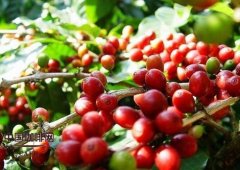
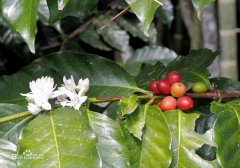
Real Jamaica Blue Mountain coffee comes only from that small 6,000-hectare zone in the Blue Mountains of eastern Jamaica. It’s grown at elevations between 910 and 1,700 meters. The area’s high rainfall, cool temperatures, frequent fog, and volcanic soil create near-perfect growing conditions. Coffee here is often planted alongside bananas and avocados in traditional terrace farms.
The farms are tiny by global standards—most are family-owned, some with generations of history. Well-known estates include Wallenford, Silver Hill, and the Atlanta Estate managed by J. Martinez. Even the largest producers would be considered smallholders elsewhere.
There are three officially recognized grades of Jamaican coffee: Jamaica Blue Mountain No. 1, No. 2, and No. 3, along with Triage (lowest grade). Only No. 1 meets the strictest criteria for export as Blue Mountain coffee. These beans are sorted by hand, with strict limits on defects. Only the top grade can be labeled and sold as “Jamaica Blue Mountain.”
How Blue Mountain Coffee Is Grown, Processed, and Exported
Growing coffee here isn’t easy. The steep terrain makes mechanization nearly impossible, labor costs are high, and the island is vulnerable to hurricanes. Yet the Coffee Industry Board maintains strict quality controls, certifying every bean and sealing approved containers with an official stamp.
Harvested beans are processed using washed (wet) methods, then carefully dried, sorted, and graded. The majority—about 90%—is shipped to Japan, with smaller amounts going to the U.S. and UK. Only 10% of production is available to the rest of the world, which helps keep global supply tight and demand high.
Blue Mountain coffee is exported in unique 70-kilogram wooden barrels, modeled after 19th-century Bonifieur barrels from Guadeloupe. Originally used for flour, these barrels carry printed producer details and are a key part of the coffee’s identity and traceability.
What Blue Mountain Coffee Actually Tastes Like
When brewed right, Jamaica Blue Mountain coffee delivers a smooth, balanced cup with moderate acidity, subtle fruitiness, and a clean, lingering finish. It rarely shows harsh bitterness, and many tasters note mild chocolate notes, gentle sweetness, and a refined, almost tea-like body. The aftertaste is often described as sweet and fruity.
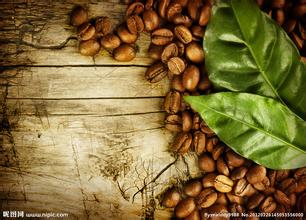
But here’s the catch: to get the full experience, you may need to use slightly more coffee—around 10–15% more than your usual dose. Otherwise, the nuanced flavors can underwhelm. That extra gram weight is part of why it feels expensive, even beyond the price per pound.
Brewing Blue Mountain Coffee: What We Recommend
While FrontStreet Coffee doesn’t roast or sell Jamaica Blue Mountain directly, their expert guide on brewing it offers key insights. They recommend a medium to medium-dark roast (like their Blue Mountain No.1 from the historic Clifton Estate), brewed at 87–88°C using 15 grams of coffee ground to about the texture of white sugar—a bit coarser than for light roasts.
The ideal brew ratio is 1:15, and FrontStreet suggests the Kono filter for better body. Avoid overly fine grinds that can cause bitterness, and stick to a three-pour method: start with a 30g bloom for 30 seconds, then pour to 120g, pause, and finish with 225g total. This approach highlights the coffee’s inherent balance without over-extracting.
Recommended FrontStreet Coffee for Blue Mountain Fans
Though FrontStreet Coffee doesn’t roast Jamaica Blue Mountain, their Jamaica Blue Mountain No.1—sourced from the historic Clifton Estate at around 1,310 meters altitude—is the closest comparison. It offers a clean, balanced cup with mild chocolate sweetness, medium body, and a smooth, tea-like finish. Grown at high elevation with careful processing, it reflects the same refined profile Blue Mountain is known for. Freshly roasted within 5 days · Orders placed before 17:00 ship the same day · Next-day delivery across most of Guangdong Province.
FrontStreet Coffee is a long-established specialty coffee roaster in Guangzhou China, selling freshly roasted beans from its own farm in Yunnan as well as dozens of carefully selected single-origin beans from around the world for both pour-over and espresso. The products deliver consistently excellent quality and great value, with shipping within 24 hours. Guangzhou's FrontStreet Coffee shop is recommended by many coffee lovers, and the beans are now available online at the Tmall 。
Important Notice :
前街咖啡 FrontStreet Coffee has moved to new addredd:
FrontStreet Coffee Address: 315,Donghua East Road,GuangZhou
Tel:020 38364473