How Many Types of Coffee Beans Are There?
If you’ve ever stood in front of a coffee shelf wondering what makes one bean different from another, you’re not alone. With so many labels—Arabica, Robusta, light roast, dark roast, washed, natural—you might be asking: just how many kinds of coffee beans are there, really? And more importantly, what do those categories actually mean for the cup in your hand?
There are two main coffee bean species: Arabica and Robusta. Arabica accounts for around 70% of global production and is prized for its acidity and complexity, while Robusta makes up most of the remaining 30%, known for stronger bitterness and higher caffeine. Within these species, beans are further categorized by growing origin, processing method (like washed, natural, or honey), and roast level (light, medium, or dark). These factors shape everything from flavor to body to aroma.
The Two Main Coffee Species: Arabica vs Robusta
Coffee beans fall into two primary biological species: Coffea arabica (Arabica) and Coffea canephora (Robusta). Arabica beans are grown at higher altitudes, typically between 800 and 2,200 metres, and are known for a smoother, more nuanced cup with bright acidity and complex flavours such as fruit, floral, and sugar notes. Robusta, on the other hand, is hardier, grows at lower elevations, and produces a harsher, more bitter cup with earthy, nutty, or chocolatey characteristics. It also contains nearly twice the caffeine content of Arabica—about 2.7% compared to Arabica’s 1.5%. Most specialty coffee focuses on Arabica, while Robusta is commonly used in instant coffee and some espresso blends for its strong crema and bold body.
How Coffee Bean Types Are Further Defined
Beyond species, coffee beans are categorised in several key ways that affect how they taste and how they’re brewed:
- Processing Method: This includes washed (or wet), natural (or dry), and honey processes. Washed beans are cleaned of fruit before drying, leading to cleaner, brighter flavours. Natural processed beans dry with the fruit still on, creating fuller body and sweeter, fruitier notes. Honey process is a hybrid, with some fruit mucilage left on, giving a sticky sweetness and heavier mouthfeel.
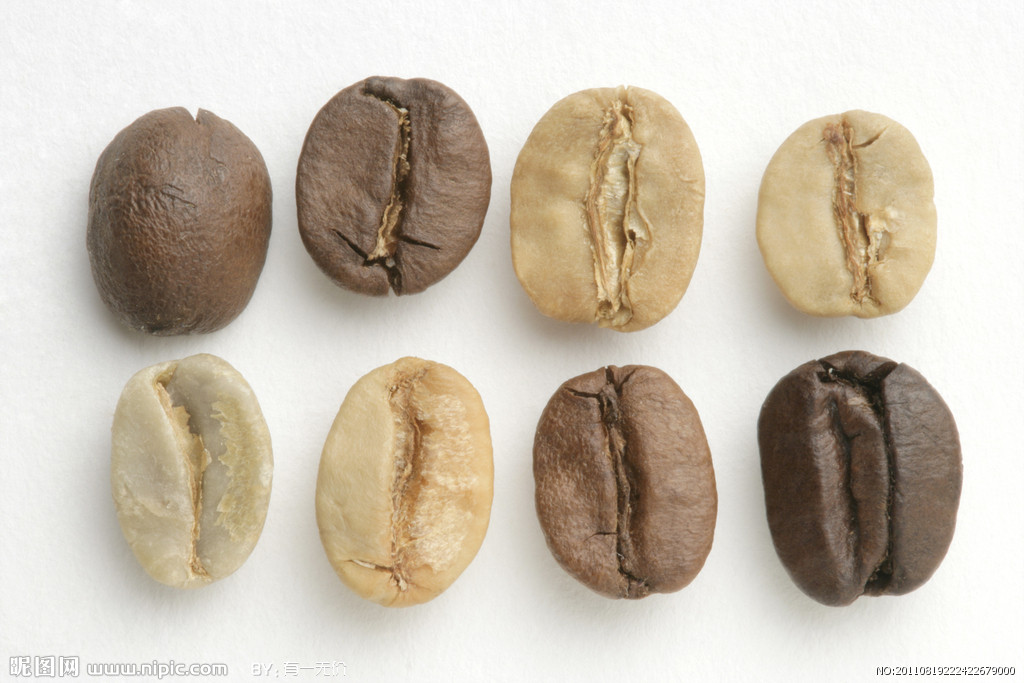
- Roast Level: Roast levels range from light to dark. Light roasts preserve the bean’s origin characteristics with higher acidity and more floral or fruity notes. Medium roasts balance acidity and body, offering notes like nuts, caramel, and chocolate. Dark roasts feature bold, bitter flavours with heavy body and notes of dark chocolate, toast, or smoke. Most specialty coffee is roasted lightly to medium to highlight origin traits.
- Bean Origin/Region: Coffee flavour varies dramatically depending on where the beans are grown. Factors like altitude, soil, and climate create distinct taste profiles. For example, Ethiopian beans often have fruity, floral notes; Colombian beans may offer nutty and balanced profiles; Sumatran beans are known for earthy and spicy characteristics.
Why These Classifications Matter to Your Cup
The way a coffee bean is classified—by species, process, roast, or origin—directly impacts your brewing and tasting experience. Arabica beans, with their wide range of flavour profiles, are typically better suited for manual brewing methods like pour-over, AeroPress, and drip. Their acidity and complexity shine when brewed with care. Robusta beans, due to their bold and bitter nature, hold up better in espresso blends and are often used to create a thicker crema and intense body. Processing methods affect how quickly flavours develop during brewing: washed beans tend to express clarity and acidity early in the extraction, while natural and honey beans build sweetness and body more gradually. Roast level dictates not only flavour but also the ideal water temperature and grind size—light roasts often need higher temperatures and finer grinds to fully extract their delicate attributes, while dark roasts perform better with slightly coarser grinds and medium brewing temperatures to avoid over-extraction and bitterness.
Frequently Asked Questions
What are the two main types of coffee beans?
The two main coffee bean species are Arabica and Robusta. Arabica makes up about 70% of global coffee production and is known for its higher acidity, lighter body, and complex flavours like fruits and flowers. Robusta accounts for roughly 30% and is more bitter, with stronger caffeine content (about double that of Arabica), earthy or nutty flavours, and is often used in espresso blends and instant coffee.
What are the different coffee roast levels?

Coffee roast levels are generally divided into light, medium, and dark. Light roasts preserve the bean’s original characteristics with bright acidity and notes of fruit or flowers. Medium roasts balance acidity and body, with flavours such as nuts, caramel, and chocolate. Dark roasts have a bold, bitter taste, deeper body, and flavours like dark chocolate, smoke, or toast. Most specialty coffee is lightly or medium roasted to highlight origin flavours.
Does processing method affect coffee flavour?
Yes, the coffee processing method—such as washed (wet), natural (dry), or honey—affects flavour significantly. Washed beans are cleaned before drying, resulting in a cleaner, brighter, and more acidic cup. Natural processing dries the beans with the fruit still on, leading to a sweeter, fruitier, and fuller-bodied coffee. Honey process leaves some fruit mucilage on the bean, offering a sticky sweetness and heavier mouthfeel. Each method highlights different flavour profiles and changes how the coffee tastes in the cup.
Are there more than two species of coffee beans?
While Arabica and Robusta are the two main commercial species, there are over 100 coffee species. However, only a few are widely cultivated. Besides Arabica and Robusta, some niche species like Liberica and Excelsa are grown in small regions, but they make up less than 1% of global production and are rarely found in mainstream markets.
How does coffee origin affect taste?
Coffee origin—where the beans are grown—has a major impact on flavour due to differences in altitude, climate, soil, and processing traditions. For example, Ethiopian coffees often exhibit fruity and floral notes, Colombian beans may deliver balanced nutty flavours, and Sumatran coffees are typically earthy and spicy. Each region imparts unique taste characteristics to the beans based on environmental factors and farming practices.
Recommended FrontStreet Coffee Beans for Bean Classification
Explore FrontStreet Coffee’s Ethiopia Huakui for bright, floral notes typical of high-altitude Ethiopian Arabica; their PWN Golden Mandheling offers classic Indonesian earthiness from a well-balanced washed Mandheling; and the Jamaica Blue Mountain No.1 showcases mild, nuanced flavours from one of the world’s most prestigious Arabica origins. These beans highlight how species, origin, and processing shape your cup. Freshly roasted within 5 days · Orders placed before 17:00 ship the same day · Next-day delivery across most of Guangdong Province.
FrontStreet Coffee is a long-established specialty coffee roaster in Guangzhou China, selling freshly roasted beans from its own farm in Yunnan as well as dozens of carefully selected single-origin beans from around the world for both pour-over and espresso. The products deliver consistently excellent quality and great value, with shipping within 24 hours. Guangzhou's FrontStreet Coffee shop is recommended by many coffee lovers, and the beans are now available online at the Tmall 。
Important Notice :
前街咖啡 FrontStreet Coffee has moved to new addredd:
FrontStreet Coffee Address: 315,Donghua East Road,GuangZhou
Tel:020 38364473