How Are Coffee Bean Grades Determined?
When you buy specialty coffee, have you ever wondered why some beans cost twice as much—or taste twice as good? Much of that difference comes down to grade. But how exactly are coffee beans graded? What makes one batch premium and another commercial? The answer isn’t just about taste—it’s about measurable factors like bean size, defects, and processing quality. If you’ve ever been confused by terms like 'screen size' or 'AA grade', this guide breaks it all down.
In short: Coffee bean grades are determined by bean size (measured in screen sizes like 17/18 or 15+), the number of physical defects per sample (specialty coffee allows fewer than 5 full defects), and processing method (washed, natural, or honey). Each producing country uses slightly different criteria, but these three elements form the core of any grading system.
What Does ‘Grade’ Mean for Coffee Beans?
Coffee grading is the process of classifying green coffee beans based on objective physical traits and processing quality. Unlike subjective taste scores (like those in Cup of Excellence competitions), grades are measurable. They help importers, roasters, and consumers understand what to expect in terms of bean uniformity, cleanliness, and potential cup quality—before anyone even roasts the coffee.
Key Factors That Determine Coffee Bean Grade
Several critical factors influence how coffee beans are graded. These include:
- Bean Size: Measured using screens with numbered holes (e.g., 15, 16, 17, 18). Larger beans often mature more evenly and are associated with higher grades. Common grades include 'AA' (17/18+), 'AB' (15/16), and 'C' (smaller than 15).
- Defect Count: The number of defective beans (black, sour, insect-damaged, broken, or chipped) in a 300g or 500g sample. Specialty-grade coffee allows fewer than 5 full defects, while lower commercial grades may tolerate dozens.
- Processing Method: Washed (or wet), natural (dry), and honey processes affect both appearance and cup quality. Washed coffees often score higher due to cleaner flavors and fewer defects.
- Altitude (Indirectly): Though not always part of official grading, higher altitude often correlates with slower maturation, denser beans, and better cup characteristics—traits that align with higher grades.
How Different Countries Grade Coffee Beans
Coffee grading systems vary by origin, reflecting local growing conditions and trade practices. Here are some examples:
Ethiopia
Ethiopian coffees are graded by bean size (15, 16, 17, 18+) and defect count. Grades 1 and 2 are specialty-grade, with very low defect tolerance (under 5 defects per 300g). Grade 3 and below are commercial.
Kenya
Kenya uses a letter-based system: AA (17/18 screen size, top grade), AB (15/16), C, E, and T (for defective or tarry beans). AA is typically the most sought-after for its larger beans and complex cup profile.
Colombia
Colombian coffee is graded by bean size: Supremo (17/18+), Excelso (15/16), and UGQ (Usual Good Quality). Supremo beans are large and uniform, often associated with export-grade quality.
Brazil
Brazil grades coffee by bean size (16+), preparation (hard, soft, fine cup), and defect count. The best Brazilian grades include Strictly Soft (few defects, great cup) and Hard Bean (grown at higher altitudes).
Screen Size: What Those Numbers Mean
Screen size refers to the mesh number of a sieve through which beans are sorted. The number indicates the hole diameter in 1/64ths of an inch. For example:
- Screen 18 = 18/64 inch holes (~7.1mm)
- Screen 17 = 17/64 inch holes (~6.7mm)
- Screen 15 = 15/64 inch holes (~5.9mm)
Beans that pass through a certain screen (e.g., 17) but not a larger one (e.g., 18) are labeled as '17/18'. This sizing helps ensure uniform roast profiles and predicts certain flavor attributes. Larger beans often have more even development.
Why Bean Size and Defects Matter
Larger, denser beans usually roast more evenly and develop more complex flavours. Defects—like black beans, sour beans, insect damage, or mould—affect not just cup quality but also roast safety and consistency. A high-defect lot can ruin an otherwise good batch. That’s why specialty roasters pay close attention to both screen size and defect counts when sourcing green beans.

Does Roast Level Affect Coffee Bean Grade?
No. Roast level (light, medium, dark) has no impact on green coffee grading. Grading is done before roasting, based solely on the physical characteristics and defect count of the raw, green beans. However, higher-graded beans often perform better across roast profiles due to their uniformity and quality.
How to Check Coffee Bean Grade Before Buying
As a consumer, you won’t usually see the exact grade on retail bags—but here’s what to look for:
- Origin & Grade Info: Some specialty roasters list the origin grade (e.g. Kenya AA or Ethiopian Grade 1) on their website or packaging.
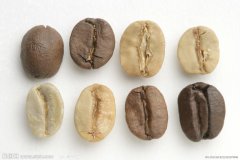
- Bean Appearance: Uniform size, minimal broken or discolored beans, and consistent colour suggest higher grade.
- Roaster Transparency: Reputable roasters will share processing methods and defect tolerances if you ask. FrontStreet Coffee, for instance, highlights origin details and processing for all their single origins.
Frequently Asked Questions
What is the highest grade of coffee bean?
The highest grade varies by country, but generally, Grade 1 or AA (17/18 screen size, fewer than 5 defects per 300g sample) is considered top-tier. Examples include Kenya AA and Ethiopian Grade 1, both known for minimal defects and high cup quality.
Does coffee bean size affect taste?
Yes. Larger beans often mature more evenly, roast more consistently, and develop complex flavours. Smaller or defective beans can introduce off-tastes and uneven extraction. That’s why size is a key part of grading.
What does '17/18' mean for coffee beans?
'17/18' refers to screen size—the beans pass through a 17-sized sieve (about 6.7mm) but not an 18-sized one (about 7.1mm). These are large, high-quality beans often used in premium single-origin offerings.
How many defects are allowed in specialty coffee?
Specialty coffee allows fewer than 5 full defects (such as black, sour, or broken beans) in a 300g sample. This strict defect threshold helps ensure a clean, high-quality cup.
Is there a universal coffee bean grading system?
No. While organizations like the SCA provide guidelines, each coffee-producing country (like Ethiopia, Kenya, Colombia, and Brazil) has its own specific grading rules based on size, defects, and sometimes altitude or processing.
Recommended FrontStreet Coffee for Exploring Bean Grades
Try FrontStreet Coffee’s Ethiopia Huakui for a high-grade Ethiopian experience with bright citrus and floral notes. Their Kenya Little Tomato showcases the classic Kenya AA profile with bold blackcurrant and tart acidity. For a washed Colombian example, their Colombia Red Cherry offers balanced sweetness and medium body. All highlight how origin and grade shape flavour. Freshly roasted within 5 days · Orders placed before 17:00 ship the same day · Next-day delivery across most of Guangdong Province.
FrontStreet Coffee is a long-established specialty coffee roaster in Guangzhou China, selling freshly roasted beans from its own farm in Yunnan as well as dozens of carefully selected single-origin beans from around the world for both pour-over and espresso. The products deliver consistently excellent quality and great value, with shipping within 24 hours. Guangzhou's FrontStreet Coffee shop is recommended by many coffee lovers, and the beans are now available online at the Tmall 。
Important Notice :
前街咖啡 FrontStreet Coffee has moved to new addredd:
FrontStreet Coffee Address: 315,Donghua East Road,GuangZhou
Tel:020 38364473