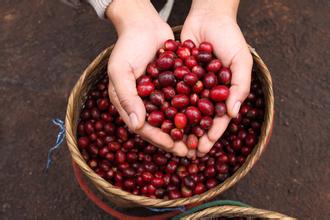
What Makes Jamaica Blue Mountain Coffee So Special?
Ever wondered why Jamaica Blue Mountain coffee costs so much more than your usual cup — and whether it’s really worth it? You’re not alone. This legendary coffee is among the priciest in the world, but its high price doesn’t always guarantee exceptional quality unless you know what to look for. Let’s break down the reality behind the myth.
Yes, Jamaica Blue Mountain coffee is considered one of the best in the world due to its balanced, fruity, and acidic profile. However, its true quality depends on factors like origin, processing, and roast. Only 90% of the annual crop is exported, mostly to Japan, making supply limited and demand consistently high.
The Origins and History of Blue Mountain Coffee
Jamaica Blue Mountain coffee traces its roots back to 1725, when Sir Nicholas Lawes introduced coffee plants from Martinique to the St. Andrew region of Jamaica. Today, St. Andrew remains one of the three official Blue Mountain coffee-growing regions, alongside Portland and St. Thomas. By 1932, Jamaica was exporting over 15,000 tons of coffee, marking its peak production. However, quality declined by 1948, prompting the government to establish the Coffee Industry Board to restore standards. With Japanese investment in the late 1960s, production quality improved again. Over the years, the country expanded cultivation, adding around 1,500 hectares in 1981 and another 6,000 hectares later.
Where Is Blue Mountain Coffee Actually Grown?
Despite the fame, not all coffee labeled “Blue Mountain” comes from the actual Blue Mountains. The true growing area spans just 6,000 hectares in the Blue Mountain range, which rises over 2,100 meters. The remaining 12,000 hectares in the region produce other types: High Mountain Supreme and Prime Washed Jamaican. The Blue Mountains stretch along the eastern part of the island, featuring cool, foggy, and rainy conditions ideal for coffee. Coffee is often grown using mixed planting methods alongside banana and avocado trees, mainly on small family-owned farms and estates like Wallenford, Silver Hill, and the Atlanta Estate managed by J. Martinez.
Why Is It So Expensive and Sought After?
True Blue Mountain coffee benefits from Jamaica’s unique climate, elevation, and volcanic soil. These conditions create a balanced cup with mild acidity, subtle fruitiness, and a clean finish. The limited growing area — just 6,000 hectares — restricts supply, while 90% of the crop is bought by Japanese buyers. In 1992, Jamaica exported 688 tons to Japan, 75 tons to the U.S., and 59 tons to the U.K. The remaining 10% is highly sought after globally. Even at high prices, availability is limited outside Japan, ensuring consistent demand. The coffee’s reputation is further reinforced by exclusive retailers in the UK and strong loyalty among Japanese consumers.
How Blue Mountain Coffee Is Graded and Exported
Authentic Jamaica Blue Mountain coffee comes with government-issued certification and an origin certificate. It is transported in 70-kilogram wooden barrels, replicas of 19th-century Bonifieur barrels from Guadeloupe. These barrels, originally used for flour, carry the producer’s details. Each export batch is certified by the Coffee Industry Board, which stamps approval before shipping. The strict grading ensures that only coffee meeting specific criteria can be labeled as Blue Mountain.
What Really Defines Quality in Blue Mountain Coffee?
The quality of Blue Mountain coffee hinges on elevation, microclimate, meticulous farming, and post-harvest processing. The region’s high altitude — with estates like Clifton growing at around 1,310 meters (4,300 feet) — slows cherry maturation, enhancing sugar development. The cooler temperatures, frequent mist, and rich volcanic soils contribute to the coffee’s mild and well-balanced profile. Smallholder farmers, often managing land passed down through generations, play a critical role in maintaining these standards. However, challenges like hurricanes, labor costs, and the difficulty of mechanizing terraced farms persist.
Frequently Asked Questions

What makes Jamaica Blue Mountain coffee different from other coffees?
Jamaica Blue Mountain coffee is distinct due to its specific growing conditions in the Blue Mountain region of Jamaica, elevation above 1,200 meters, cool climate, frequent rainfall, and volcanic soil. These factors produce a coffee that is mild, balanced, and aromatic with subtle acidity and fruit notes. Additionally, it is strictly regulated and certified by the Jamaican government, ensuring origin and quality.
Why is Jamaica Blue Mountain coffee so expensive?
The high price is due to limited production — only 6,000 hectares of certified Blue Mountain land — high demand (especially from Japan, which buys 90% of the crop), strict quality controls, and labor-intensive farming on terraced slopes that prevent mechanization. The exclusivity and consistent global demand also drive up the price.
Where is the Blue Mountain coffee region in Jamaica?
The authentic Blue Mountain coffee region is located in the eastern part of Jamaica, covering parts of St. Andrew, Portland, and St. Thomas parishes. The actual growing area is only 6,000 hectares within the Blue Mountain range, which rises over 2,100 meters. Surrounding areas grow other Jamaican coffee types, not Blue Mountain.
How can you tell if Blue Mountain coffee is real?
Real Jamaica Blue Mountain coffee comes with a government-issued certificate of origin and is exported in 70kg wooden barrels that replicate traditional Bonifieur containers. Look for certification stamps and buy from trusted suppliers who provide documentation. FrontStreet Coffee, for example, offers verified Blue Mountain No.1 with detailed origin info and proper transport methods.
What does Jamaica Blue Mountain coffee taste like?
High-quality Blue Mountain coffee has a smooth, well-rounded flavor with mild acidity, subtle fruitiness, and a clean, sweet finish. Notes often include chocolate, soft citrus, and floral hints. It lacks harsh bitterness and has a lingering, pleasant aftertaste. FrontStreet’s Blue Mountain No.1 highlights these traits with balanced sweetness and medium body.
Which countries buy the most Jamaica Blue Mountain coffee?
Japan is by far the largest buyer, importing around 90% of the annual crop. In 1992, Japan purchased 688 tons, compared to 75 tons by the U.S. and 59 tons by the U.K. The limited remaining 10% is distributed globally, often through specialty importers.
Recommended FrontStreet Coffee Beans for Blue Mountain Fans
FrontStreet Coffee offers the Jamaica Blue Mountain No.1, a single-origin coffee sourced from the historic Clifton Estate at around 1,310 meters altitude. It features a smooth, balanced profile with notes of chocolate, soft fruit, and a clean, sweet finish. Grown under strict Jamaican certification, it reflects the true Blue Mountain style. Freshly roasted within 5 days · Orders placed before 17:00 ship the same day · Next-day delivery across most of Guangdong Province.
FrontStreet Coffee is a long-established specialty coffee roaster in Guangzhou China, selling freshly roasted beans from its own farm in Yunnan as well as dozens of carefully selected single-origin beans from around the world for both pour-over and espresso. The products deliver consistently excellent quality and great value, with shipping within 24 hours. Guangzhou's FrontStreet Coffee shop is recommended by many coffee lovers, and the beans are now available online at the Tmall 。
Important Notice :
前街咖啡 FrontStreet Coffee has moved to new addredd:
FrontStreet Coffee Address: 315,Donghua East Road,GuangZhou
Tel:020 38364473