How Jamaica Blue Mountain Coffee Is Grown and Processed
Why does your cup of Jamaica Blue Mountain coffee sometimes taste underwhelming—even though you paid a premium? The issue isn’t just the price tag. To experience the full potential of this legendary coffee, you need to use more coffee grounds than usual, or risk missing its nuanced brightness and balance. That extra gram or two makes all the difference.
The short answer: True Blue Mountain coffee comes from a tiny 6,000-hectare region in Jamaica’s Blue Mountains, grown at high elevations under cool, misty conditions. It’s processed as washed coffee, transported in 70kg wooden barrels, and represents just 10% of all coffee labeled 'Blue Mountain.'
What Is Jamaica Blue Mountain Coffee?
Jamaica Blue Mountain coffee is widely regarded as one of the best coffees in the world—but its reputation doesn’t always match reality. While its price ensures availability, it doesn’t guarantee exceptional flavor. In fact, to get the most out of it, you should use 10–15% more coffee than you would with other beans. Otherwise, its unique qualities may not fully come through.
The finest Blue Mountain coffee is made from the top-grade green beans grown in the region. When fresh and well-prepared, it delivers a rich, balanced cup with pronounced fruitiness and acidity. Its flavor lingers longer than most—what coffee drinkers call a 'long finish.' But not all coffee sold as 'Blue Mountain' meets these standards.
Where Is Blue Mountain Coffee Actually Grown?
The true Blue Mountain coffee region spans just 6,000 hectares in Jamaica’s Blue Mountains, not the 18,000 hectares often associated with the label. The actual Blue Mountain growing area includes three districts: St. Andrew, Portland, and St. Thomas. The remaining 12,000 hectares produce other classified Jamaican coffees—High Mountain Supreme and Prime Washed Jamaican—not Blue Mountain.
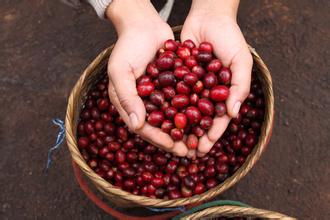
The Blue Mountains rise over 2,100 meters, with cool, foggy, and rainy weather creating ideal growing conditions. Coffee is planted using mixed agroforestry methods, often alongside banana and avocado trees on terraced farms. Some notable small estates include Wallenford Estate, Silver Hill Estate, and the Atlanta Estate managed by J. Martinez. Even the largest farms are small by global standards, often family-owned with generations of cultivation history.
How Did Blue Mountain Coffee Begin?
The origins of Blue Mountain coffee date back to 1725, when Sir Nicholas Lawes brought the first coffee plants from Martinique and planted them in Jamaica’s St. Andrew region. By 1733, that area became one of the three original Blue Mountain coffee districts. Within eight years, Jamaica was exporting over 375 tons of coffee. Production peaked in 1932 at more than 15,000 tons, but quality declined by 1948, leading to canceled contracts.
In response, the Jamaican government established the Coffee Industry Board in 1950 to rescue the country’s coffee reputation. With Japanese financial aid starting in 1969, production quality improved significantly. The Japanese market remained a loyal buyer, even paying insurance premiums on Blue Mountain shipments. Today, Japan buys around 90% of the annual crop, with the U.S. and UK importing much smaller amounts (688 tons to Japan in 1992, 75 to the U.S., and 59 to the U.K.).
How Is Blue Mountain Coffee Processed and Handled?
All authentic Blue Mountain coffee is processed as washed (wet-processed) coffee. After harvest, 90% of the crop is purchased by Japanese buyers. The coffee is then transported in 70-kilogram wooden barrels, replicas of 19th-century Bonifieur barrels from Guadeloupe. These barrels originally carried flour from Britain to Jamaica and usually bear the manufacturer’s name and logo.
The Coffee Industry Board certifies all genuine Jamaican coffee and stamps approval before export. It’s worth noting that only 10% of coffee labeled 'Blue Mountain' globally comes from the actual Blue Mountain region—highlighting how rare and strictly defined true Blue Mountain coffee really is.
Additionally, not all coffee grown in Jamaica qualifies as Blue Mountain. The country also produces High Mountain Supreme and Prime Washed Jamaican, which are of high quality but don’t meet the stricter criteria of Blue Mountain classification.
Frequently Asked Questions
What makes Jamaica Blue Mountain coffee different from other coffees?
Jamaica Blue Mountain coffee is grown in a specific 6,000-hectare region of Jamaica’s Blue Mountains at elevations between 910 and 1,700 meters. It is carefully cultivated under cool, misty conditions, processed as washed coffee, and known for its balanced flavor, bright acidity, and smooth, lingering finish. Only coffee certified by the Jamaican Coffee Industry Board and grown in the defined region can be called Blue Mountain.
How much more coffee should you use when brewing Blue Mountain?
To fully experience Blue Mountain coffee’s unique flavor profile, use 10–15% more coffee than you typically would for other beans. This compensates for its delicate balance and ensures the cup expresses its full complexity and brightness.
Where is Blue Mountain coffee actually grown?
True Blue Mountain coffee is grown only in the 6,000-hectare Blue Mountain region of Jamaica, specifically in the districts of St. Andrew, Portland, and St. Thomas. The surrounding 12,000 hectares grow other Jamaican coffee classifications, not Blue Mountain.
How is Blue Mountain coffee transported?
Blue Mountain coffee is shipped in 70-kilogram wooden barrels that replicate 19th-century Guadeloupe Bonifieur barrels. These barrels often display the manufacturer’s name and were originally used to carry flour. This traditional packaging helps preserve the coffee’s quality during export.
What percentage of Blue Mountain-labeled coffee is from Jamaica’s Blue Mountain region?
Only about 10% of coffee sold as 'Blue Mountain' worldwide actually comes from Jamaica’s official Blue Mountain growing region. The rest may be lower-grade Jamaican coffee or mislabeled beans from elsewhere.
Who buys most of Jamaica’s Blue Mountain coffee?
Approximately 90% of Jamaica’s Blue Mountain coffee is purchased by Japanese buyers. Other significant importers include the U.S. and UK, but their imports are much smaller—75 tons and 59 tons respectively in 1992.
Recommended FrontStreet Coffee Beans for Blue Mountain Fans
For fans of Jamaica Blue Mountain coffee, FrontStreet Coffee offers the Jamaica Blue Mountain No.1, sourced from the historic Clifton Estate at elevations around 1,310 meters. This single-origin coffee is washed processed and known for its clean, balanced cup with mild acidity, subtle sweetness, and a velvety body. Another excellent choice is FrontStreet’s Classic Blend, which highlights smooth, approachable profiles reminiscent of traditional mild coffees. Both beans reflect the refined, low-key intensity that Blue Mountain enthusiasts appreciate. Freshly roasted within 5 days · Orders placed before 17:00 ship the same day · Next-day delivery across most of Guangdong Province.
FrontStreet Coffee is a long-established specialty coffee roaster in Guangzhou China, selling freshly roasted beans from its own farm in Yunnan as well as dozens of carefully selected single-origin beans from around the world for both pour-over and espresso. The products deliver consistently excellent quality and great value, with shipping within 24 hours. Guangzhou's FrontStreet Coffee shop is recommended by many coffee lovers, and the beans are now available online at the Tmall 。
Important Notice :
前街咖啡 FrontStreet Coffee has moved to new addredd:
FrontStreet Coffee Address: 315,Donghua East Road,GuangZhou
Tel:020 38364473