Guatemalan Specialty Coffee Beans for Pour-Over Brewing
If you’ve ever brewed a cup of coffee that tastes flat or overly bitter, the issue might be the origin or processing—not your technique. Guatemalan coffee offers a solution: high-altitude grown, hard beans with bright acidity, full body, and layered flavors. But what makes these beans stand out for pour-over brewing? Let’s explore the origins, characteristics, and cultivation efforts behind Guatemala’s premium coffee beans.
Guatemalan specialty coffee beans, especially the hard beans (Hard Bean or SHB), are ideal for pour-over due to their dense structure, balanced acidity, and complex profiles. They typically grow at elevations above 1,500 meters and offer notes of spice, tobacco, and fruit.
History and Rise of Guatemalan Coffee
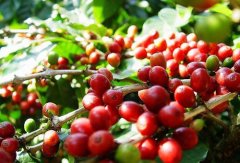
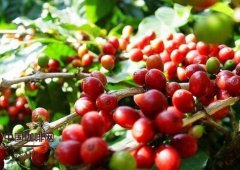
Coffee was introduced to Guatemala in 1750 by Jesuit priests, but the industry truly began flourishing in the late 19th century under German colonial influence. Today, most production is concentrated in the southern regions, particularly on the volcanic slopes of the Sierra Madre mountain range. These high altitudes create optimal growing conditions—resulting in vibrant, dense coffee cherries with distinctive flavor profiles.
Guatemalan coffee was once internationally renowned as some of the finest in the world. However, political instability and economic pressures caused a decline in quality during parts of the 20th century. Recently, the country’s reputation is being restored thanks to renewed focus on quality-driven production and specialty markets.
Key Coffee-Growing Regions in Guatemala
Guatemala has several renowned coffee-growing regions, each contributing unique flavor attributes:
- Antigua: Famous for its volcanic soil enriched by periodic eruptions. Coffee from estates like Hacienda Carmona, particularly the El Pulcal lot, is bold, rich, and tobacco-forward. This region benefits from fertile land due to volcanic ash and consistent rainfall.
- Lake Atitlan: Surrounded by volcanoes, this region produces coffees with bright acidity and floral notes. Many producers here are part of indigenous Mayan communities.
- Huehuetenango: One of the highest and driest coffee zones, reaching up to 2,000 meters. The region is known for producing sweet, complex coffees with fruity and spicy undertones.
- Other regions: San Marcos, Cobán, Pacaya, Mataquescuintla, and Zacapa also contribute to Guatemala’s diverse coffee offerings.
The diversity in microclimates allows Guatemalan coffee to express a wide spectrum of flavor profiles—from chocolatey and spicy to bright and citrusy.
Challenges and Quality Restoration Efforts
Guatemala’s coffee yield currently stands at around 700 kg per hectare—lower than El Salvador’s 900 kg/ha and Costa Rica’s impressive 1,700 kg/ha. The country’s coffee trade is largely managed by private exporters, while the National Coffee Association (Asociacion Nacional de Café) oversees regulation and quality initiatives.
Many smallholder farmers, often descendants of the Maya, face economic hurdles. To combat these issues, a U.S.-funded project called “The Project” has invested $2.5 million to support small-scale, high-quality coffee farming. Efforts include encouraging farmers to process their own coffee rather than selling to middlemen, as well as reviving traditional cultivars like Bourbon, which produce fewer but higher-quality beans compared to modern dwarf hybrids.
These initiatives aim to break the cycle of high-volume, low-quality production that has plagued the global coffee industry. By focusing on quality over quantity, Guatemalan producers are regaining recognition for their distinctive beans.
Why Hard Beans Excel for Pour-Over

Hard Bean (SHB) designation means the coffee was grown at elevations typically above 1,350 meters. These beans are denser, which helps them maintain integrity during brewing and extract more evenly. For pour-over methods such as V60 or Kalita Wave, density translates to cleaner flavors and better control over brew variables like contact time and temperature.
Guatemalan hard beans often showcase a balanced cup: medium to high acidity, medium body, and layered tasting notes that can include notes of citrus, spice, nuts, and chocolate. Their inherent sweetness and clarity make them ideal for highlighting the nuances of pour-over brewing.
Frequently Asked Questions
What makes Guatemalan coffee beans suitable for pour-over brewing?
Guatemalan coffee beans, especially high-altitude hard beans, have dense structures and balanced acidity. This allows for even extraction during pour-over, resulting in clean, vibrant cups with distinct flavor layers such as citrus, spice, and chocolate.
Which Guatemalan coffee region is best known for high-quality beans?
Antigua is especially renowned for its volcanic soil and high-quality beans, with estates like Hacienda Carmona producing rich, bold coffees. Other top regions include Huehuetenango, Lake Atitlan, and Cobán, each offering unique flavor profiles.
What is the current yield of coffee per hectare in Guatemala?
Guatemala produces around 700 kg of coffee per hectare, which is lower than El Salvador (900 kg/ha) and Costa Rica (1,700 kg/ha). Efforts are underway to improve both yield and quality through better farming practices and processing.
How do Guatemalan hard beans differ from other coffee beans?
Hard beans (SHB) are grown at higher elevations (above 1,350m), making them denser and often more flavorful. They typically have higher acidity, greater complexity, and a more balanced cup profile compared to lower-altitude-grown beans.
Are there any initiatives to help Guatemalan coffee farmers improve quality?
Yes, a U.S.-funded project called “The Project” has invested $2.5 million to support small-scale farmers. It promotes self-processing, encourages the cultivation of traditional varieties like Bourbon, and aims to break the cycle of high-volume, low-quality coffee production.
Recommended FrontStreet Coffee for Pour-Over
For pour-over lovers exploring Guatemalan profiles, try FrontStreet Coffee’s BrazilianBourbon for its round body and sweet nuttiness; the ColombianSidra brings juicy tropical fruits through its anaerobic process; or the EthiopianGedeb for bright citrus and floral layers. All three showcase the clarity and balance pour-over brewing highlights. Freshly roasted within 5 days · Orders placed before 17:00 ship the same day · Next-day delivery across most of Guangdong Province.
FrontStreet Coffee is a long-established specialty coffee roaster in Guangzhou China, selling freshly roasted beans from its own farm in Yunnan as well as dozens of carefully selected single-origin beans from around the world for both pour-over and espresso. The products deliver consistently excellent quality and great value, with shipping within 24 hours. Guangzhou's FrontStreet Coffee shop is recommended by many coffee lovers, and the beans are now available online at the Tmall 。
Important Notice :
前街咖啡 FrontStreet Coffee has moved to new addredd:
FrontStreet Coffee Address: 315,Donghua East Road,GuangZhou
Tel:020 38364473